Beat Burnout and Eye Strain: Why Micro-Breaks Are Your Secret Weapon
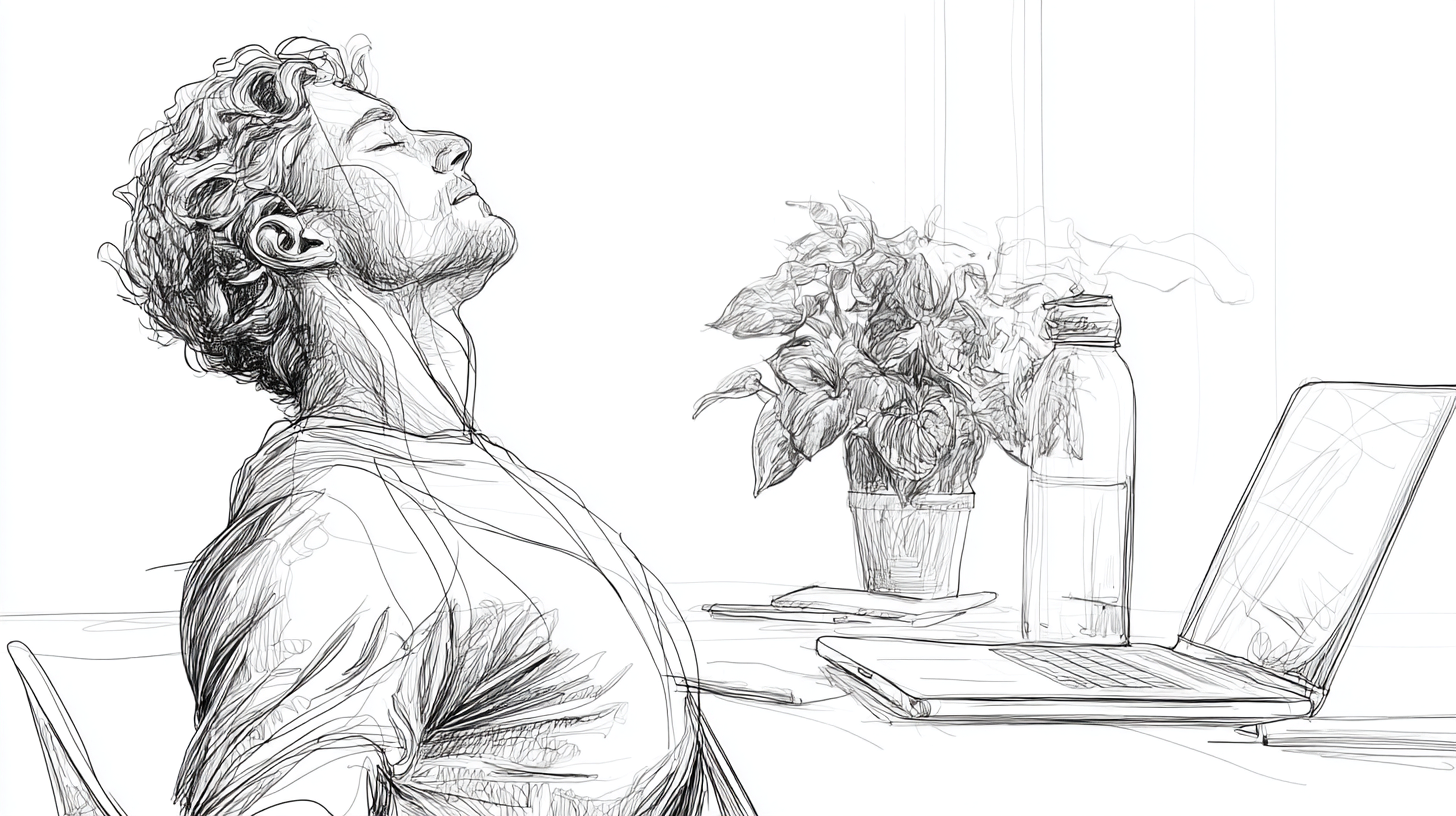
Leo, a software engineer, is pushing hard to meet a looming deadline. He’s stuck on a single bug, rereading the same function for the tenth time.
As the eye strain builds, Leo tells himself it’s just one last push. But the more he ignores it, the more his eyes feel gritty and tired. A persistent headache throbs at his temples, and his focus is completely shot. Now, the glowing lines of code have started to blur together.
Leo isn't just tired; he’s on the fast track to burnout, and his body is sending a clear warning.
If Leo’s story feels familiar, you’re not alone. In our digitally-driven world, spending long, uninterrupted hours on a laptop is the norm for many professionals. This intense screen time is a major risk factor for Computer Vision Syndrome (CVS), also known as digital eye strain.
CVS symptoms go beyond just eye discomfort; they can include headaches, blurred vision, and neck pain, all of which contribute to a significant drop in productivity and overall well-being. With many professionals spending over seven hours a day on computers, the prevalence of CVS is a growing health concern.
But the solution isn't to abandon your screen; it’s to work smarter. The secret weapon against this digital fatigue is the micro-break.
The Power and Purpose of Micro-Breaks
What exactly is a micro-break? It's a short, intentional pause taken throughout your workday, lasting anywhere from a few seconds to a few minutes. While they may seem insignificant, these small breaks are your secret weapon against the physical and mental toll of prolonged screen time.
One of the most immediate benefits of this strategic pause is the relief it provides for your eyes. When you stare at a screen, the tiny ciliary muscles inside your eyes are working overtime, locked in a state of constant focus. Over time, these muscles get fatigued, just like any other muscle in your body would after being held in one position for too long. What's more, when concentrating on a screen, we blink less than half as often as we normally do, which can lead to dry eyes.
Taking a break allows those hard-working muscles to relax. That short pause is a mini-reset for your eyes, giving them a much-needed chance to rest. Studies have shown that actively implementing breaks can lead to significant improvements in symptoms like dry eyes.
Find Your Rhythm: Making Breaks Work for You
While taking short, regular breaks is a fantastic starting point, the quality of your break matters just as much as the quantity. Simply switching from your laptop screen to your phone screen doesn't count. The goal is to give both your eyes and your brain a true pause. To make your micro-breaks genuinely restorative, they need to be intentional.
The great news is that there's no perfect formula for a micro-break. You can experiment to find what works for you – whether it's a 10-minute break once an hour or a 2-3 minute break a few times an hour. What matters most is that you regularly and consciously step away from your work to focus on something else. Research shows that workers who took breaks to do something they enjoyed reported better health, higher job satisfaction, and lower rates of burnout.
By applying this intentional approach to your breaks, you can transform them from forgotten afterthoughts into powerful tools for sustainable productivity.
Activities to Do to Recharge
Here are some activities you can do to recharge, depending on the time.
1. Quick Desk Resets (Less than 5 minutes)
These quick habits are perfect for an on-the-spot refresh without even leaving your desk.
The 20-20-20 rule
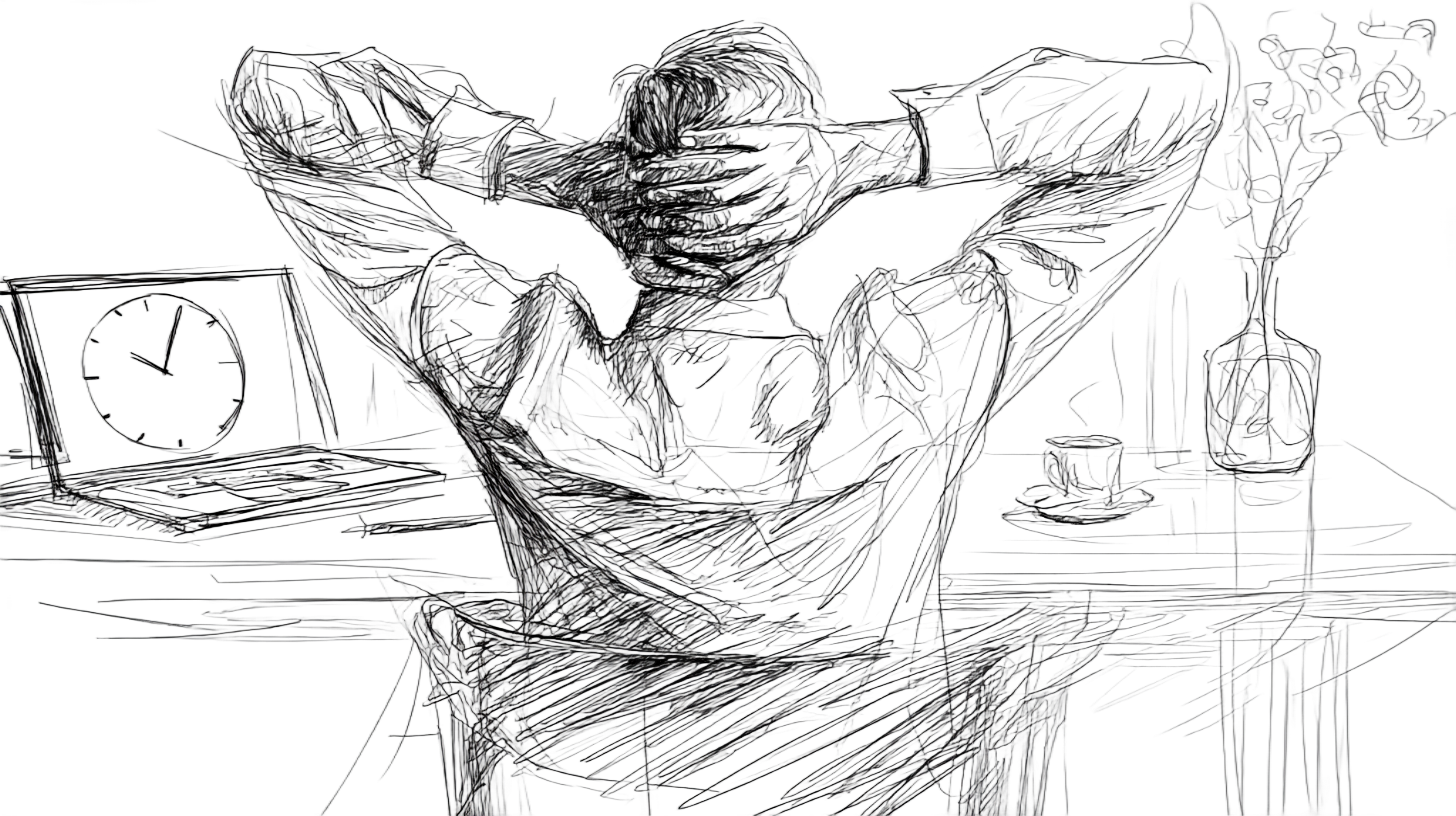
You've likely heard of the 20-20-20 rule, and for good reason it’s one of the most effective, evidence-based strategies for combating digital eye strain. The rule is simple: every 20 minutes, take a 20-second break to look at something at least 20 feet away. This simple action allows the muscles in your eyes to relax, which reduces strain and keeps your eyes lubricated. It's a quick and effective way to maintain eye health throughout the day.
Chair Yoga and Stretching
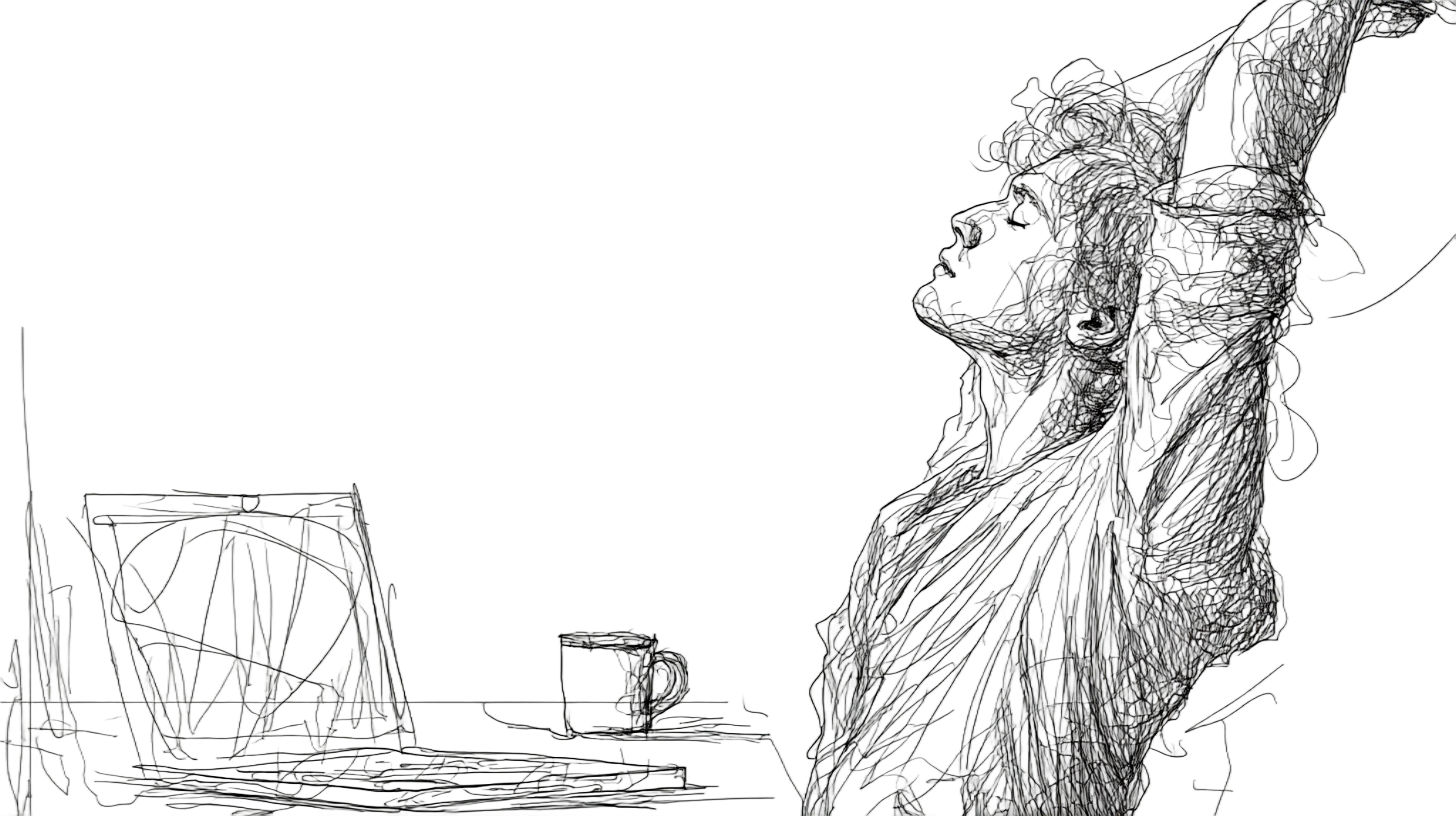
Taking a few minutes to stretch or do chair yoga is a simple way to fight the physical effects of sitting all day. Simply sit tall, inhale as you raise your arms overhead, and exhale as you gently release your arms back down. As you do these gentle stretches for your neck, shoulders, and back, remember to turn away from your screen. This breaks the static posture of sitting and leaves you feeling more relaxed and energized for the rest of your workday.
Mindful Breathing and Relaxation
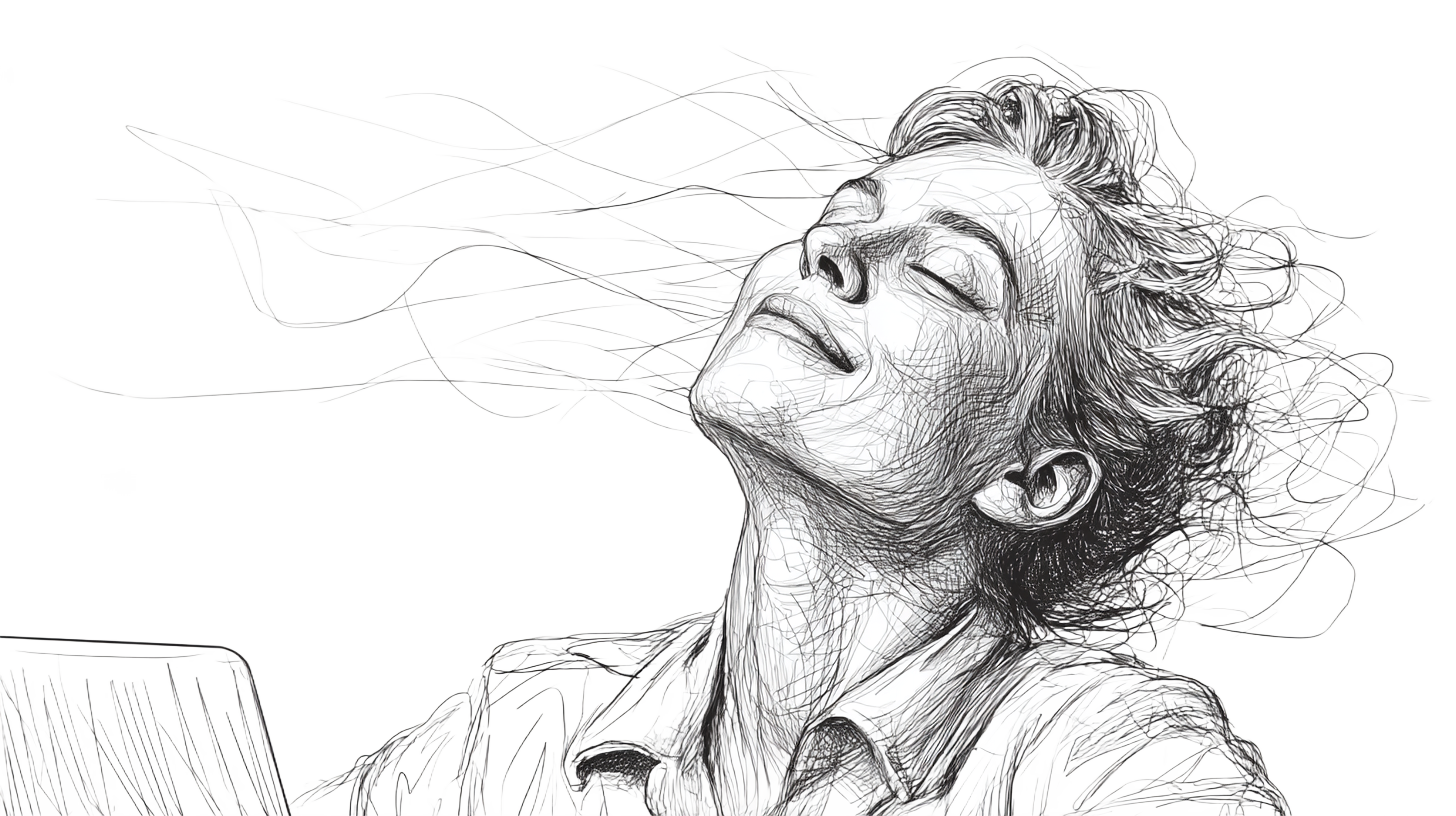
Feeling overwhelmed or stressed? Don't let those feelings consume you. Instead, take a quick mindfulness break to reset. Even if you can't leave your desk, you can still find a moment of peace right where you are.
Start by sitting up straight in your chair with both feet flat on the floor. Close your eyes and place one hand on your stomach. Take a slow, deep breath in through your nose, feeling your stomach expand as it fills with air. Exhale slowly and completely through your mouth. Repeat this action a few times. This simple act can clear your head, boost your focus, and help you return to your work with a calmer, more positive mindset.
2. When You Have More Time (5–25 minutes)
When you have a bit more time, these activities are perfect for a full mental and physical reset. By actively engaging your body and mind in different ways, you can turn a simple break into a powerful tool for enhanced focus and overall well-being.
Cleaning and Tiding Your Workspace
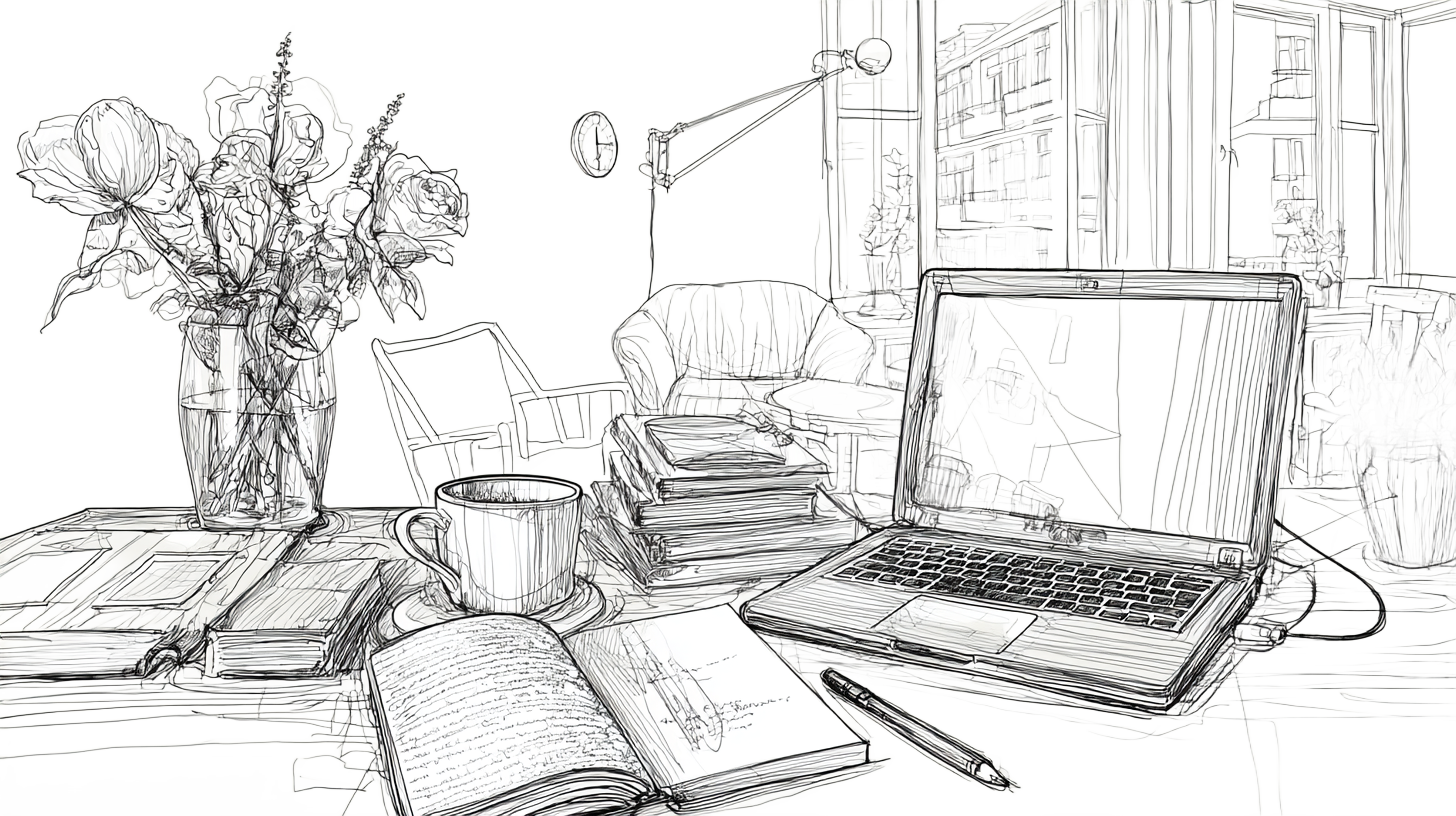
A cluttered desk can be a major source of stress. Taking a short break to clean and organize your workspace can be incredibly calming. This simple, hands-on task gives you a sense of accomplishment and helps clear your mind. A tidy desk creates a more serene environment, which can make it easier to focus and feel more productive when you return to your work.
A Water Buddy
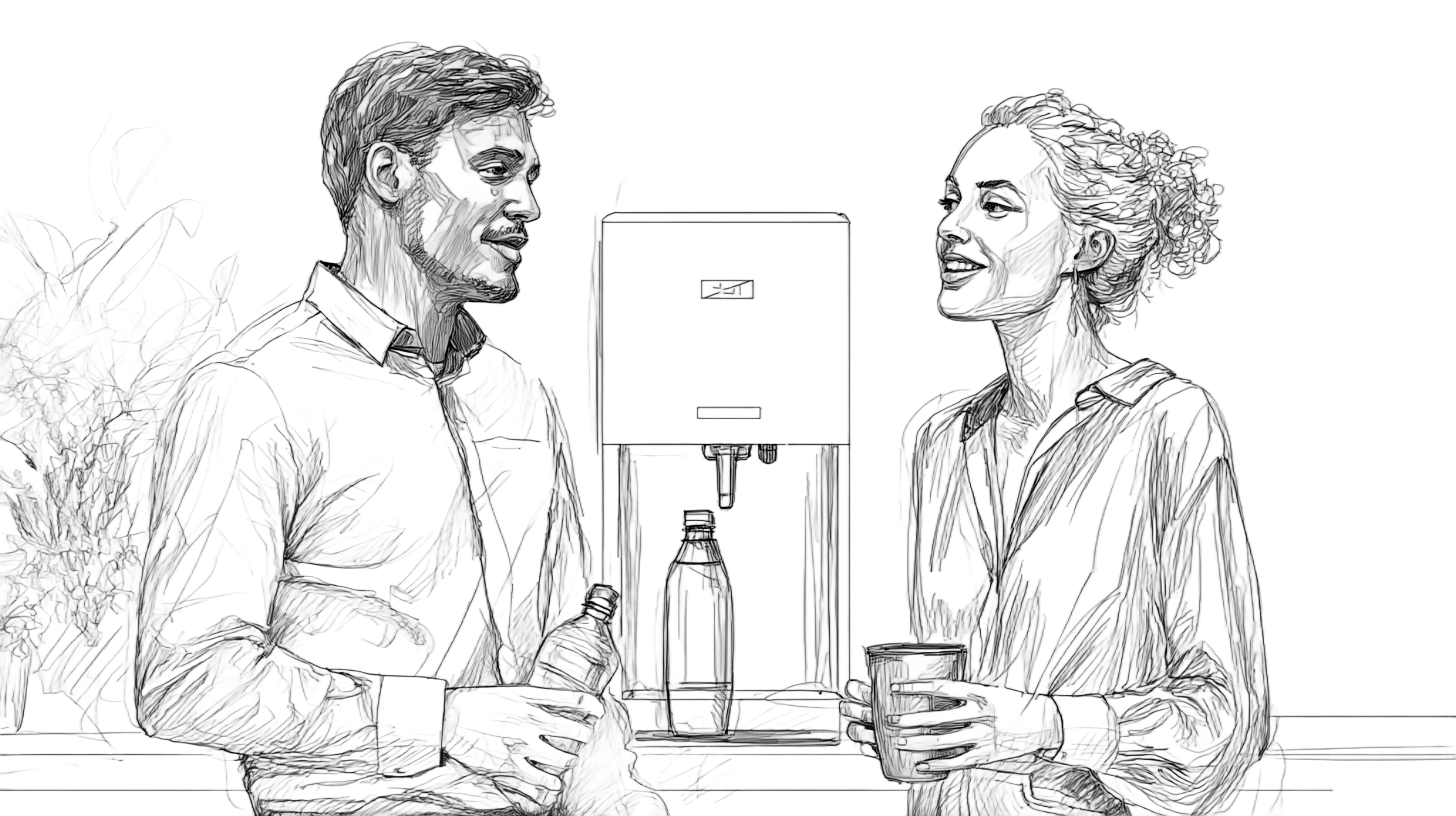
This is a brilliant way to stay hydrated and build relationships. The simple act of getting up to refill your water bottle with a coworker turns a solitary task into a moment of connection. You can use this time to have a quick chat about your weekend, a TV show you're watching, or just to get a brief change of scenery. This ritual also helps reinforce the habit of drinking water, which is crucial for maintaining energy levels, improving cognitive function, and preventing headaches.
Coffee/Tea Breaks
A coffee or tea break is more than just a quick dose of caffeine; it's a mindful pause for your well-being. The simple act of stepping away from your desk, feeling the warmth of the mug, and savoring the aroma gives your brain a complete change of pace. This sensory shift helps you to destress and transition from a state of intense focus to one of calm, making it easier to re-engage with your work afterward.
Playing Games with Colleagues
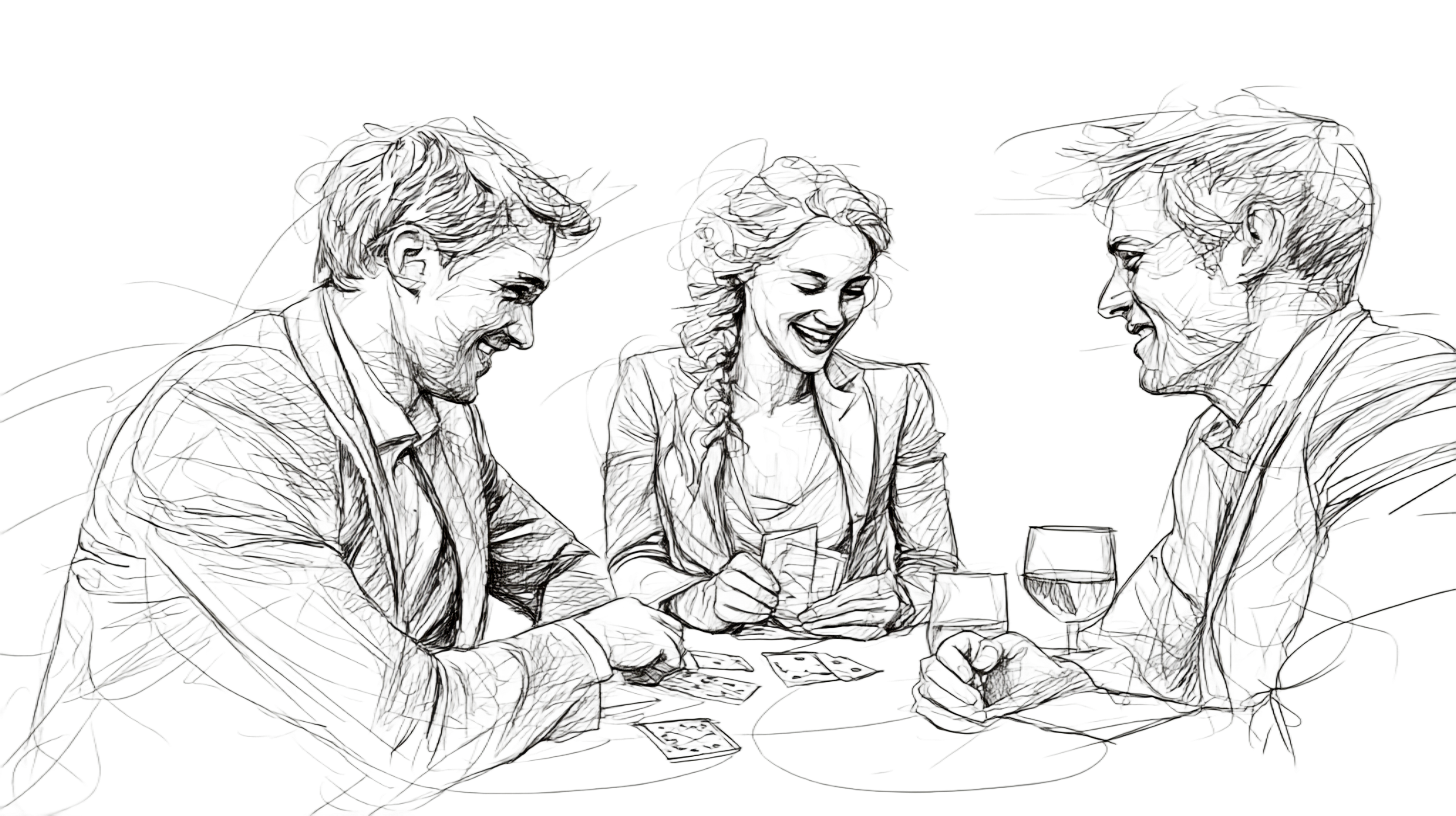
Think of a game as a quick, enjoyable workout for a different part of your brain. Instead of staring at a screen for problem-solving or data analysis, you engage your mind with a new set of rules and a fresh challenge. This mental pivot can break through creative blocks and help you recharge your focus, allowing you to return to your tasks with a clearer mind. Games like Two Truths and a Lie, Pictionary, or a quick game of cards are perfect for a short break.
Power nap (with caution)
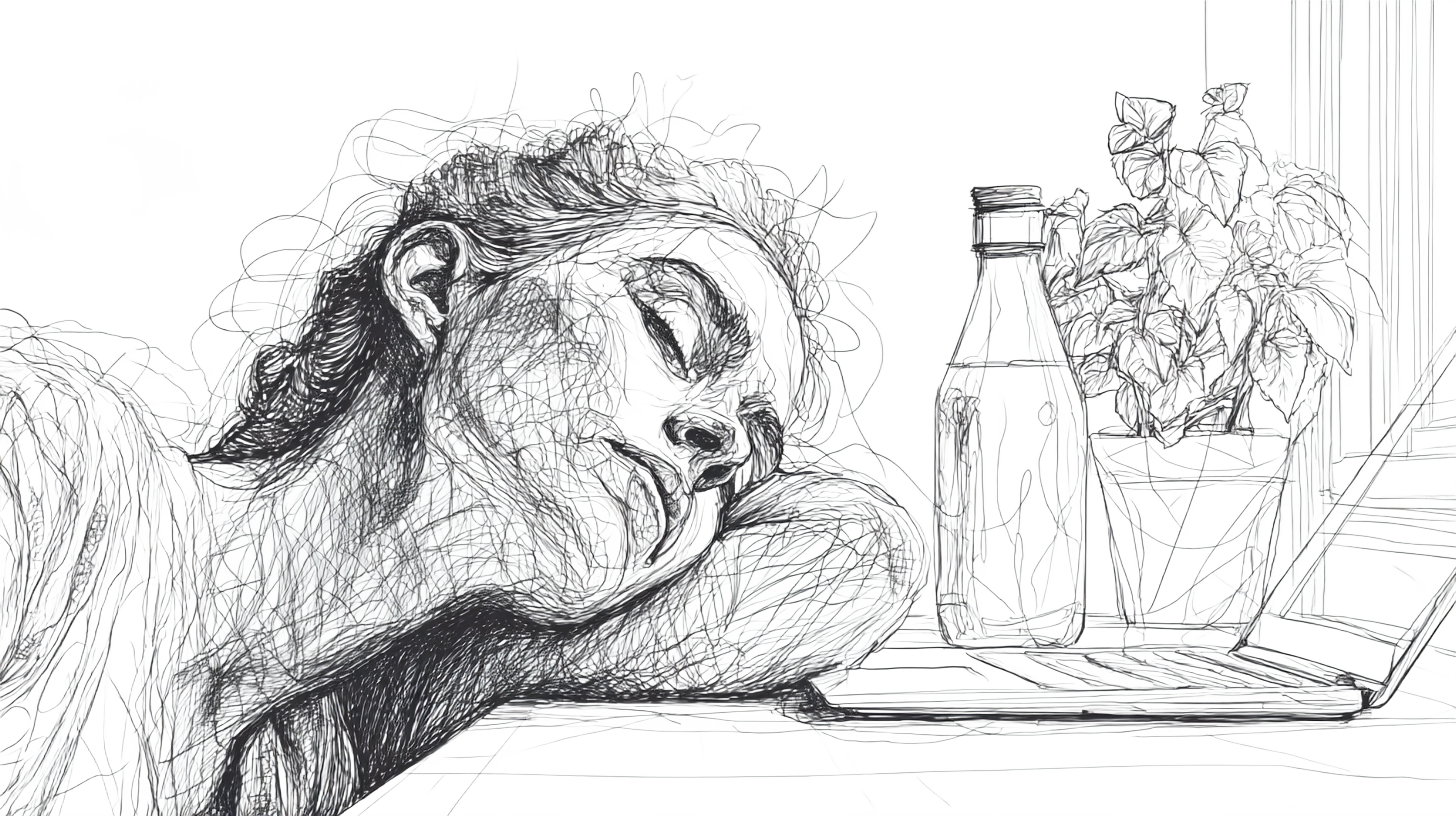
If you have the time, a 15-minute power nap can be a powerful way to recharge. You don't need a separate room, simply putting your head down on your desk or leaning back in your chair can work. This brief reset can help reduce stress, improve your mood, and provide a quick burst of energy to help you finish your day strong. Just be sure to set an alarm to prevent oversleeping and waking up groggy.
3. Building a Habit: Beyond the Desk
Keeping Sports/Walking Shoes at Your Desk
This is a simple but highly effective way to encourage more movement. Having your shoes right there eliminates the barrier of having to go home and change, making it easier to commit to a post-work walk or run. Plus, a quick walk in the evening helps to relieve the physical stiffness from sitting all day and provides a mental release, making it easier to de-stress and improve sleep quality.
Nurture a Non-Work Hobby
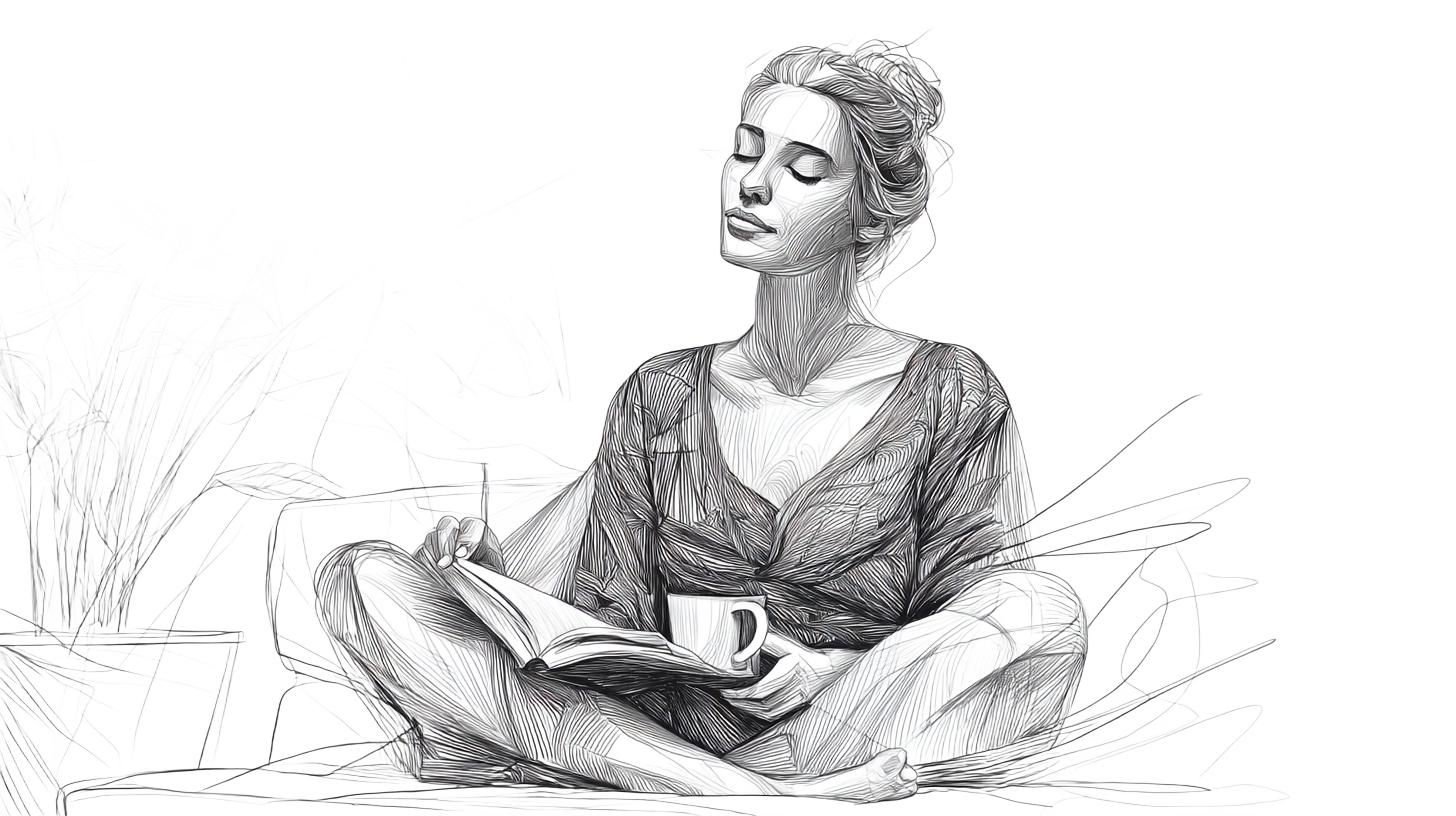
While breaks at work are a fantastic way to reset, a hobby outside of work is a powerful tool for sustainable well-being. Hobbies like gardening, painting, reading a book, playing a sport, or learning an instrument engage a different part of your brain and provide a sense of purpose. Making time for these activities is a good strategy for staying mentally fresh and protecting yourself from long-term burnout.
Make Your Breaks Stick
Think of your breaks as a non-negotiable part of your workday. Set a timer on your phone or use an app to remind you, and treat it as a proactive step toward better focus not a distraction. After all, research shows that clearly defined goals are the ones we're most likely to follow.
Additionally, when you stick to your break schedule, take a moment to celebrate. Whether you use a habit-tracking app or just notice how much more refreshed you feel at the end of the week, this positive feedback loop is essential for making a habit last.
A Smarter Approach to Success
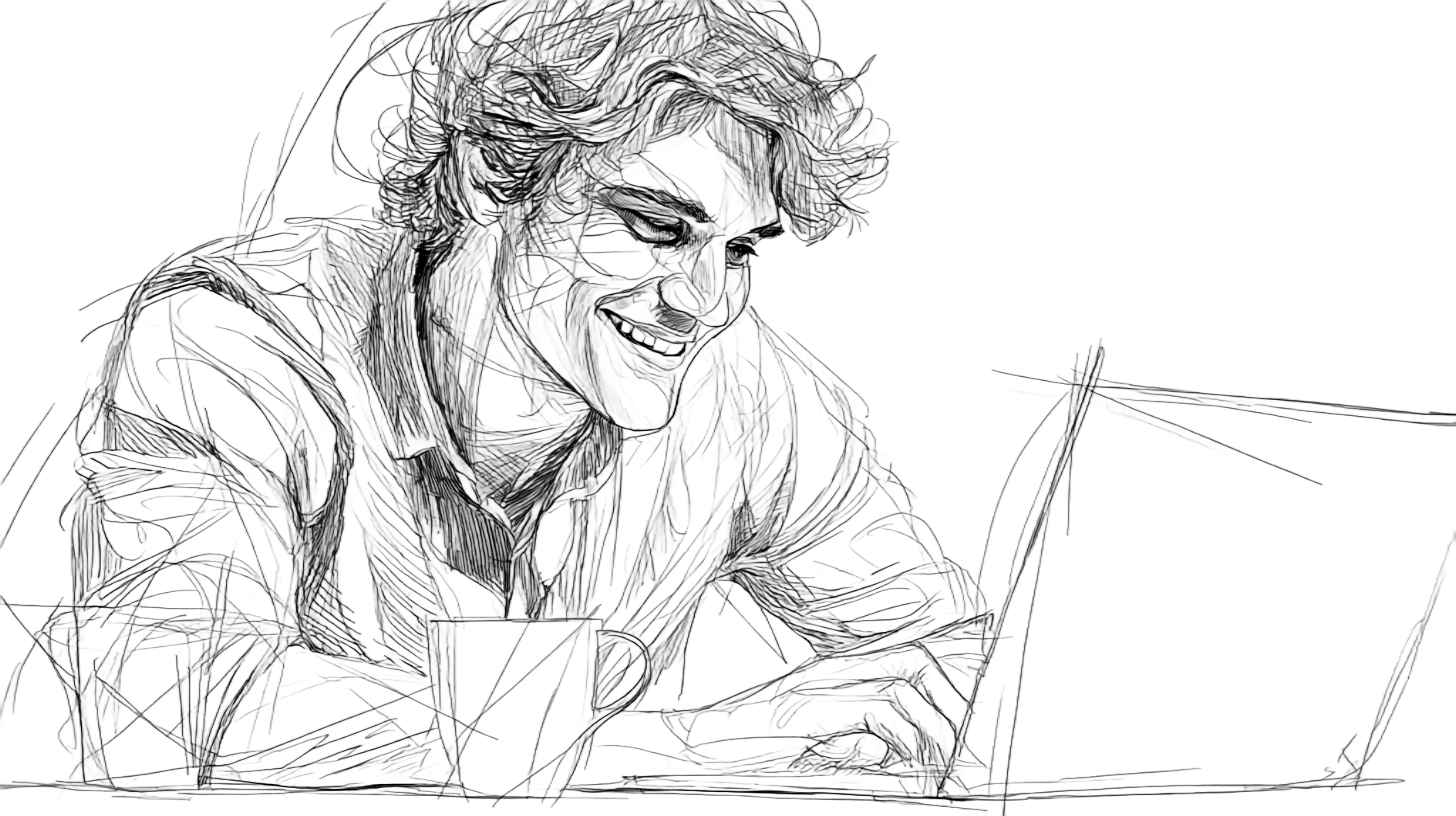
The "grind" culture often glorifies pushing through exhaustion, but true success is about building habits that protect your most valuable assets: your health and your focus.
Remember: Mastering the art of the micro-break isn't about slacking off; it's about making a strategic investment in your well-being. By preventing issues like digital eye strain and muscle stiffness, you're not just being more productive in the short term, but also investing long-term in health and career.
References & Further Reading
-
Weir, K. (2019, January). Give me a break: Psychologists explore the type and frequency of breaks we need to refuel our energy and enhance our well-being. Monitor on Psychology, 50(1), 40. https://www.apa.org/monitor/2019/01/break
-
Al-Mohtaseb, Z., Schachter, S., & Shrier, E. (2020). Impact of an educational intervention using the 20/20/20 rule on Computer Vision Syndrome. Journal of Optometry, 14(3), 227-232. https://www.researchgate.net/publication/344350717
-
Tzelepis, M. P., et al. (2021). Digital Interventions on Healthy Lifestyle Management: A Systematic Review. https://pmc.ncbi.nlm.nih.gov/articles/PMC8663673/
-
Popkin, B. M., D’Anci, K. E., & Rosenberg, I. H. (2010). Water, hydration and health. Nutrition Reviews, 68(8), 439–458. https://pmc.ncbi.nlm.nih.gov/articles/PMC2908954/