How Your Laptop Is Stealing Your Sleep (and How to Get It Back)
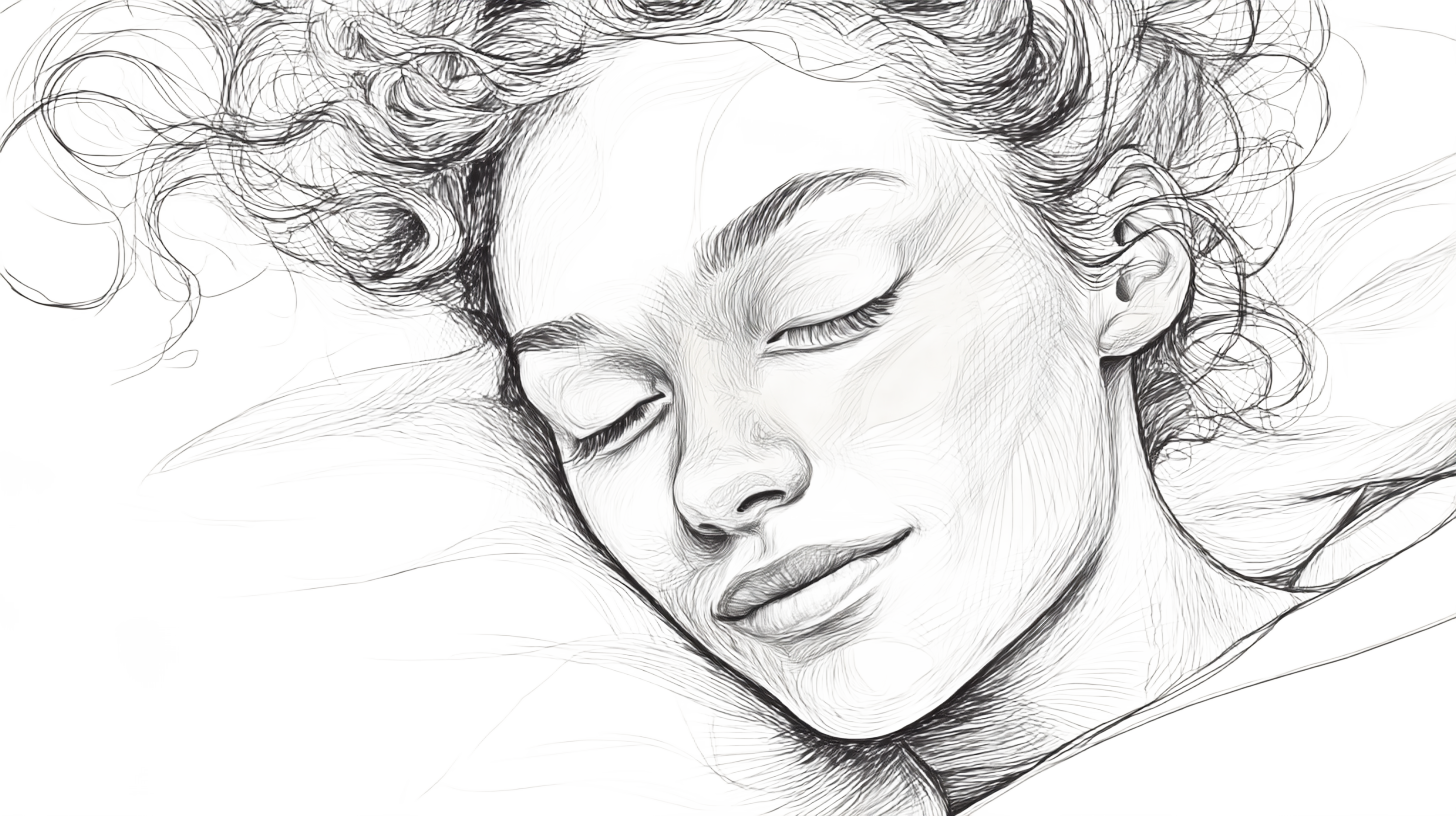
It’s 2 AM. Your laptop screen is still humming, and the cursor keeps blinking on that long document. You’ve been staring at it for hours, fueled by lukewarm coffee and sheer determination to meet that deadline.
Finally, you click "save," slam the lid shut, and tumble onto bed, utterly exhausted.
You should fall asleep instantly, right? Yet, you toss and turn for what feels like an eternity, your mind buzzing, your eyes still burning. The next morning, the alarm blares, pulling you from an unrefreshing sleep, leaving you with a headache and gritty, tired eyes. Sound familiar?
This is the nightly reality for countless students and young professionals who find themselves caught in a vicious cycle: late-night screen time leading to poor sleep, which then exacerbates the eye strain and fatigue needed to power through the next day’s digital demands. It’s a silent epidemic known as Digital Eye Strain (DES), or Computer Vision Syndrome (CVS), and it’s affecting over 70% of computer users worldwide.
But here's the good news: understanding why this happens is the first step to breaking free and reclaiming your restful nights.
The Stealthy Sleep Thief: More Than Just Tired Eyes
For years, we’ve heard about eye strain from screens. But it’s more than just discomfort. Prolonged use of digital devices (laptop, tablet, or smartphone) can lead to a range of computer vision syndrome symptoms including eyestrain, headaches, blurred vision, dry eyes, irritation, and even neck and shoulder pain. These symptoms arise because the visual demands of our digital tasks often exceed our eyes’ ability to comfortably perform them.
But the problem runs deeper than just your eyes feeling tired.
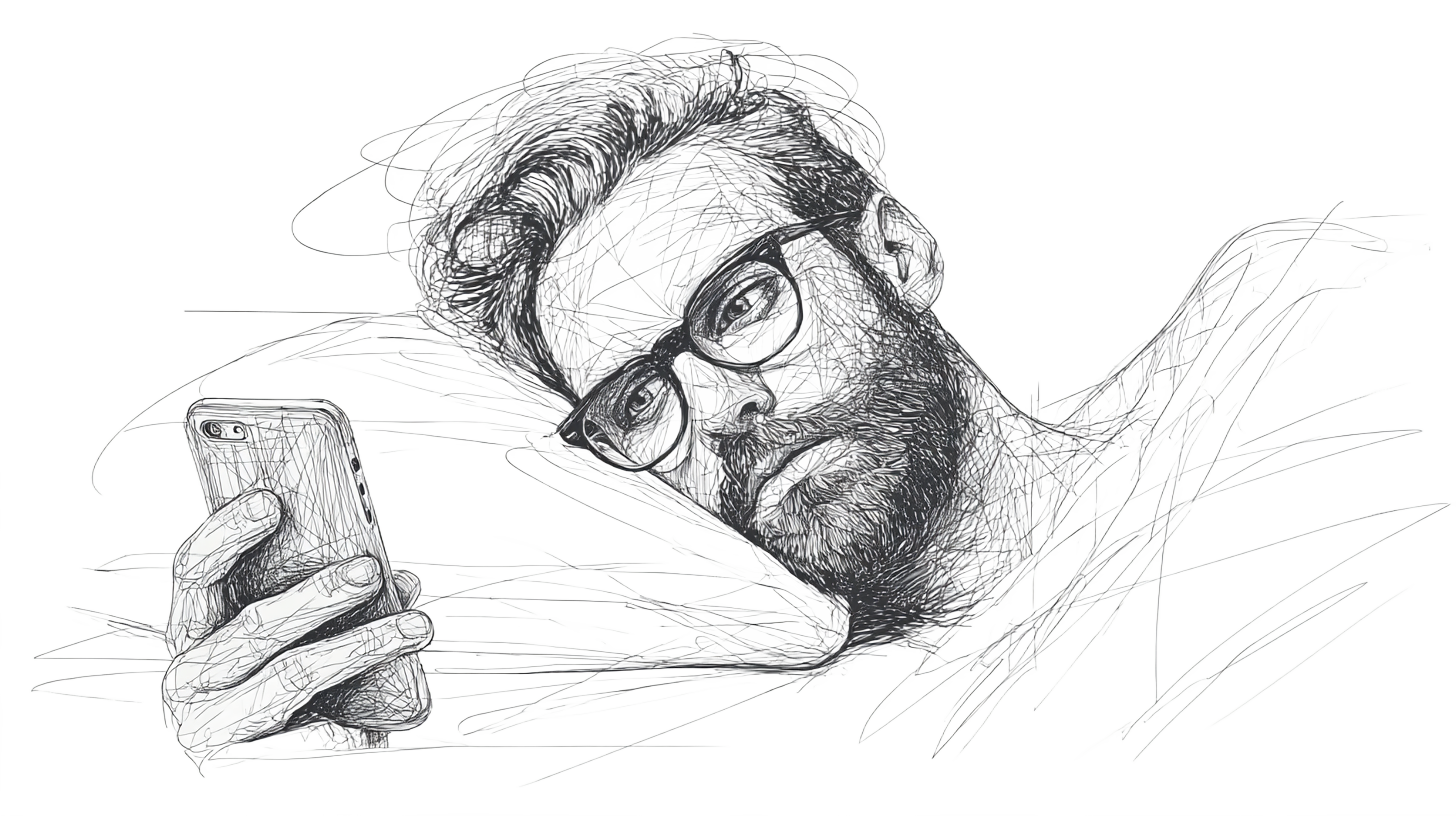
That glowing screen you’re staring at late into the night is actively sabotaging your sleep, setting you up for even worse eye strain the next day. It’s a feedback loop, and it all starts with your brain’s master clock.
Meet Your Brain's Master Clock: The Circadian Rhythm
Deep within your brain lies a tiny, but incredibly powerful, timekeeper called the suprachiasmatic nucleus. This is your body's master clock, responsible for regulating your sleep-wake cycle – your circadian rhythm. It tells you when to be awake and alert, and when to wind down for sleep.
A crucial player in this nightly rhythm is melatonin, often called the "sleep hormone." As darkness falls, your brain naturally ramps up melatonin production, signaling to your body that it’s time to prepare for sleep. This is why a dim, quiet environment is so conducive to falling asleep easily.
The Blue Light Blues: Suppressing Melatonin, Disrupting Sleep
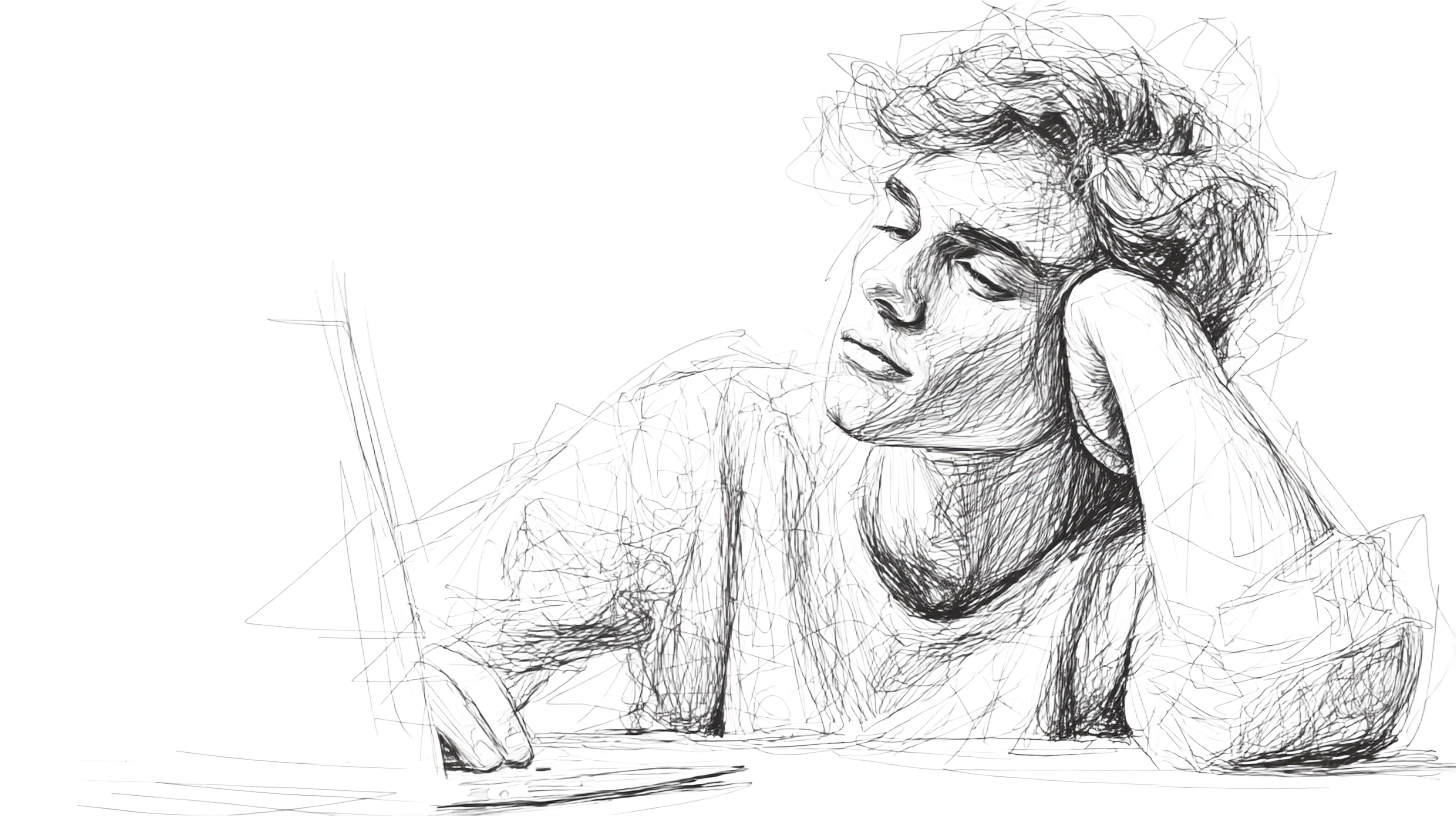
Here’s where your laptop and phone screen enter the scene as the villain in your sleep story.
Digital screens emit a significant amount of blue light. While the low levels of blue light from these devices are generally not considered to cause direct ocular damage, their impact on your circadian rhythm is undeniable.
Your eyes contain specialized cells (intrinsically photosensitive retinal ganglion cells) that are particularly sensitive to short-wavelength light, especially in the blue-turquoise spectrum (around 482 nm). When these cells detect blue light, particularly in the evening, they send a strong signal to your master clock: "It’s daytime! Stay awake!" This signal actively suppresses your body’s natural production of melatonin.
Think about it: just when your body should be gearing up for sleep, your screen is convincing it that it’s still midday.
The result? You feel exhausted, but you can’t fall asleep. And when you finally do drift off, your sleep quality is often compromised, leaving you feeling groggy and unrefreshed.
How Sleep Deprivation Worsens Digital Eye Strain
Poor sleep doesn’t just make you tired; it directly exacerbates your digital eye strain symptoms the next day. When you’re sleep-deprived:
-
Your eyes are less resilient: They can’t cope as effectively with the demands of prolonged screen time.
-
Symptoms intensify: Tired, dry, and irritated eyes become more pronounced. Headaches might be more frequent or severe.
-
Focus becomes harder: You might experience more blurred vision or difficulty refocusing, making tasks even more challenging.
It's a classic vicious cycle: late-night screen work → blue light exposure → melatonin suppression → poor sleep → worsened DES → struggling through the next day with more discomfort → leading to more late-night work to catch up.
It’s time to break free.
How to Reclaim Your Nights (and Your Eyes!): Science-Backed Solutions
The good news is, you have the power to break this cycle. Here are some actionable, science-backed strategies to help you get better sleep and reduce digital eye strain:
Break the "Doomscroll" Trap
Digital screens can be a major roadblock to a good night's sleep. Doomscrolling news and social media floods your brain with stress hormones, keeping your nervous system on high alert. Try placing your phone in another room: put it on a charger in the kitchen or a bookshelf in the living room. This simple act creates a barrier, enough to break the impulsive scrolling habit.
Embrace "Night Shift" Modes or Blue Light Filters
Your screen's blue light tricks your brain into thinking it's still daytime, suppressing the production of melatonin. To counter this, turn on your device's built-in "Night Shift" (iOS/Mac) or "Night Light" (Windows) mode a few hours before bed. Here's how to do it. This simple setting shifts your screen's color to a warmer, more eye-friendly hue, helping preserve your natural sleep cycle.
Keep Your Eyes Hydrated and Relaxed
For mild to moderate dry eye symptoms, use eye drops to keep your eyes moist. Additionally, make it a habit to perform simple eye exercises after a long day of work. These exercises can be a game-changer, helping to relax your eye muscles and prevent fatigue. Click here to learn the simple eye exercises that can transform your workday.
Reduce Overall Evening Screen Time
This is the most direct way to protect your sleep cycle. If possible, aim to stop using digital screens at least 1-2 hours before bed. Even a strict reduction to ≤1 screen-hour daily has shown remarkable improvements in foveal responses and visual performance.
Embrace Analog Time
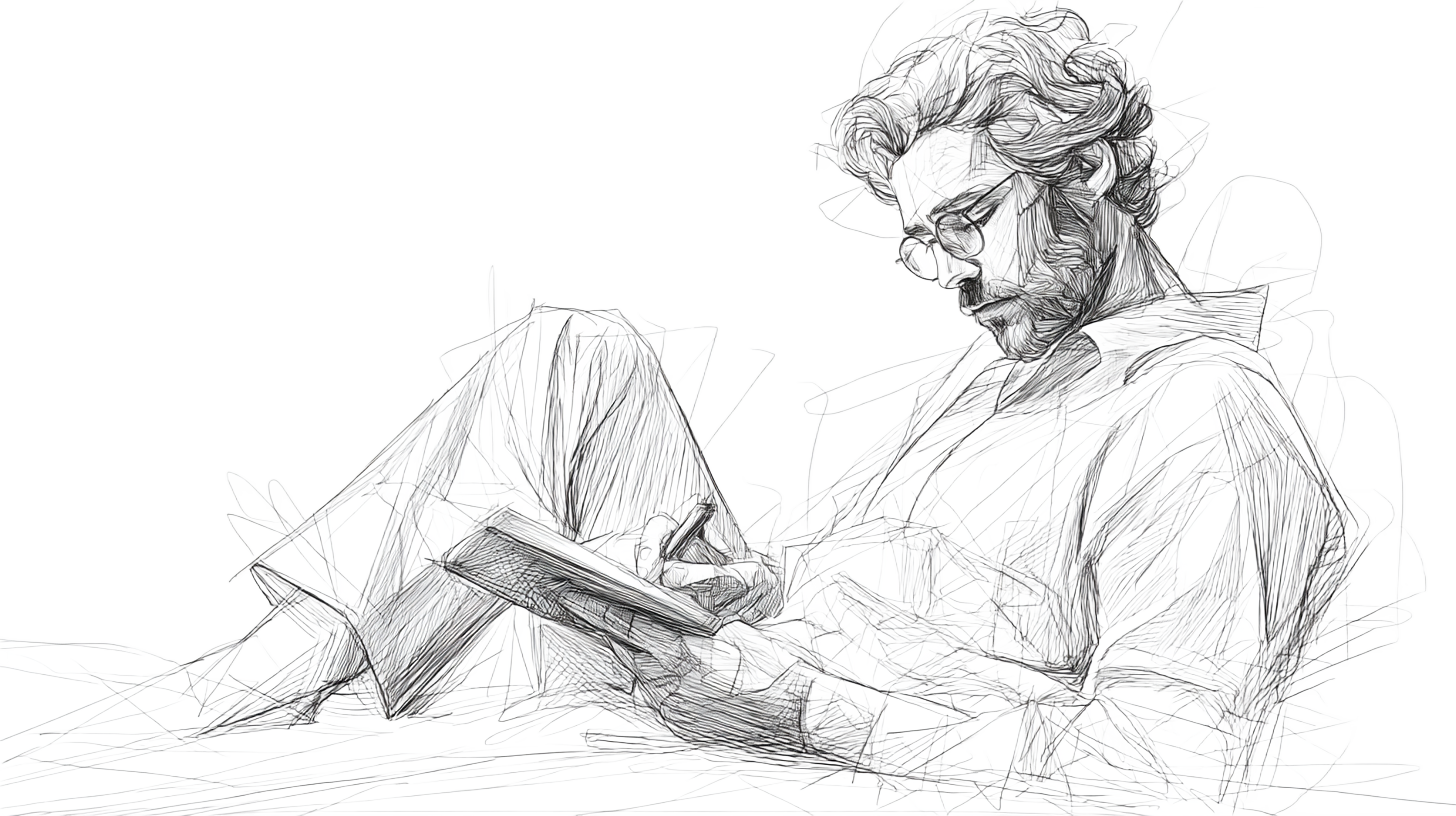
Once you've disengaged from your screens, replace that time with calming activities that prepare your body and mind for rest. Use this screen-free buffer to wind down. Instead of scrolling, try:
-
Reading a physical book
-
Listening to a podcast or soothing music
-
Gentle stretching or light yoga
-
Journaling your thoughts
-
Chatting with a roommate or family member
This allows your natural melatonin production to begin without interference.
**Reclaim Your Sleep **
Breaking the cycle of late-night screen use and poor sleep isn't just about reducing eye strain; it’s about improving your overall quality of life. By making these small, consistent changes, you’ll not only protect your eyes but also get that restorative sleep you desperately need.
You deserve to wake up feeling refreshed, alert, and ready to tackle the day – not just another screen. So start tonight and your future self (plus your eyes!) will thank you.
References & Further Reading:
-
Haghani, M., et al. (2024). Blue Light and Digital Screens Revisited: A New Look at Blue Light from the Vision Quality, Circadian Rhythm and Cognitive Functions Perspective. Journal of Biomedical Physics and Engineering. https://pmc.ncbi.nlm.nih.gov/articles/PMC11252550/
-
Berson, D. M., Dunn, F. A., & Takao, M. (2002). Photoreception by retinal ganglion cells that set the circadian clock. Science, 295(5557), 1070–1073. https://pubmed.ncbi.nlm.nih.gov/11834835/
-
Thapan, K., Arendt, J., & Skene, D. J. (2001). An action spectrum for melatonin suppression: evidence for a novel non-rod, non-cone photoreceptor system in humans. The Journal of Physiology, 535(Pt 1), 261–267. https://pmc.ncbi.nlm.nih.gov/articles/PMC2278766/
-
Hjetland, G. J., et al. (2025). One hour's screen use after going to bed increases your risk of insomnia by 59%, scientists find. Frontiers in Psychiatry. https://pmc.ncbi.nlm.nih.gov/articles/PMC12015757/
-
Iqbal, M., Soliman, A., Ibrahim, O., & Gad, A. (2023). Analysis of the Outcomes of the Screen-Time Reduction in Computer Vision Syndrome: A Cohort Comparative Study. Clinical Ophthalmology, 17, 123–134. https://pubmed.ncbi.nlm.nih.gov/36644605/