How Lumina's Break Reminder Improves Your Health and Productivity
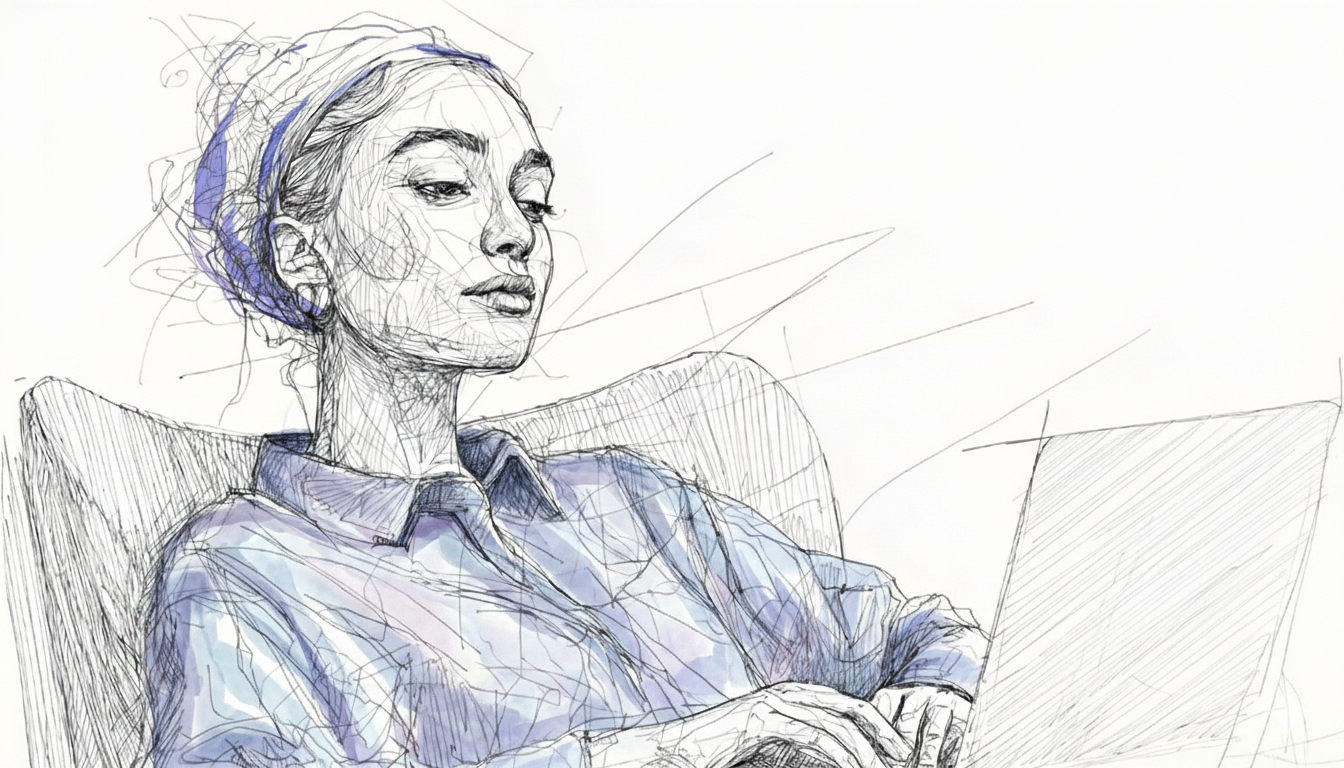
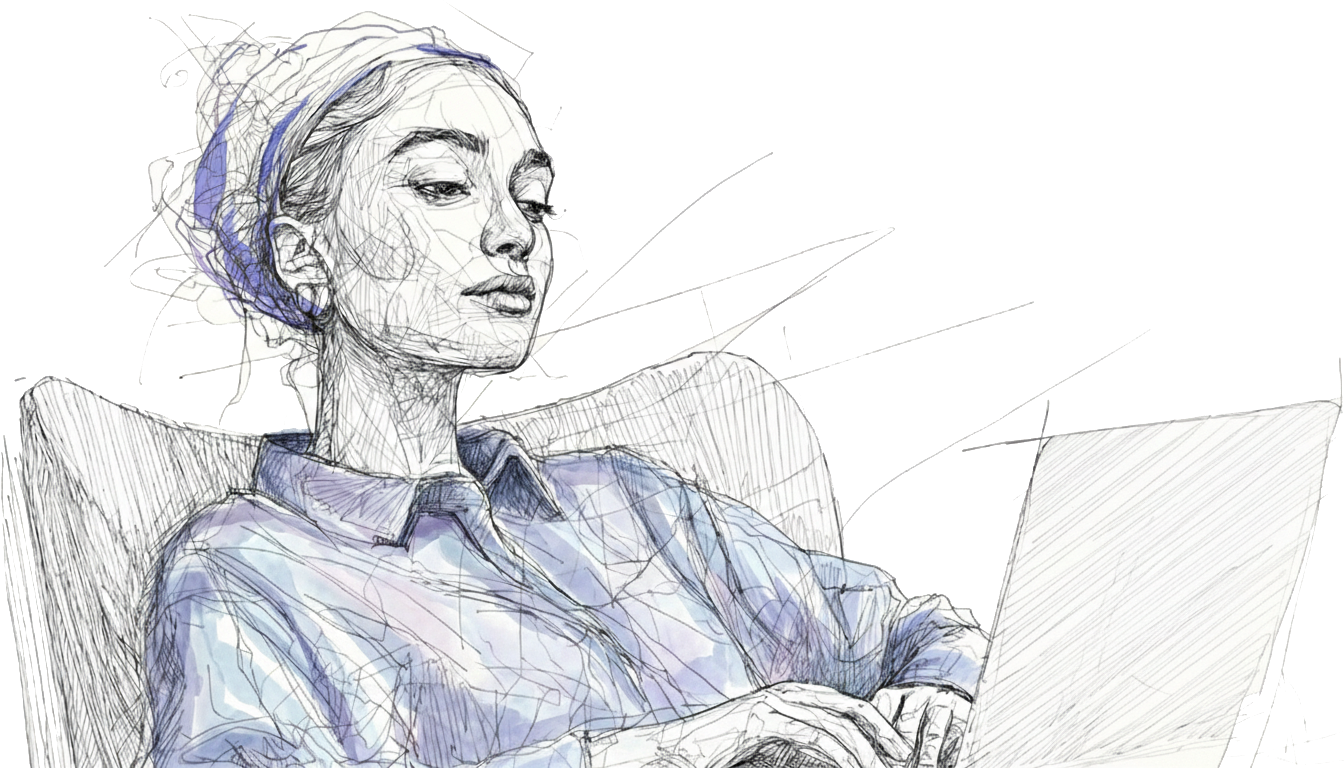
Miranda is a Product Manager at a fast-growing tech firm. She is known for her expert execution and ability to drive projects to completion. Her tasks require long stretches of uninterrupted deep work so she pushes through for hours at a time, convinced that stopping would only slow her down.
Lately, however, her body has been forcing the pauses she denies herself. By mid-afternoon, Miranda feels stiffness in her neck, her head hurts, and her eyes burn. Her productivity stalls, and the quality of her decision-making slips.
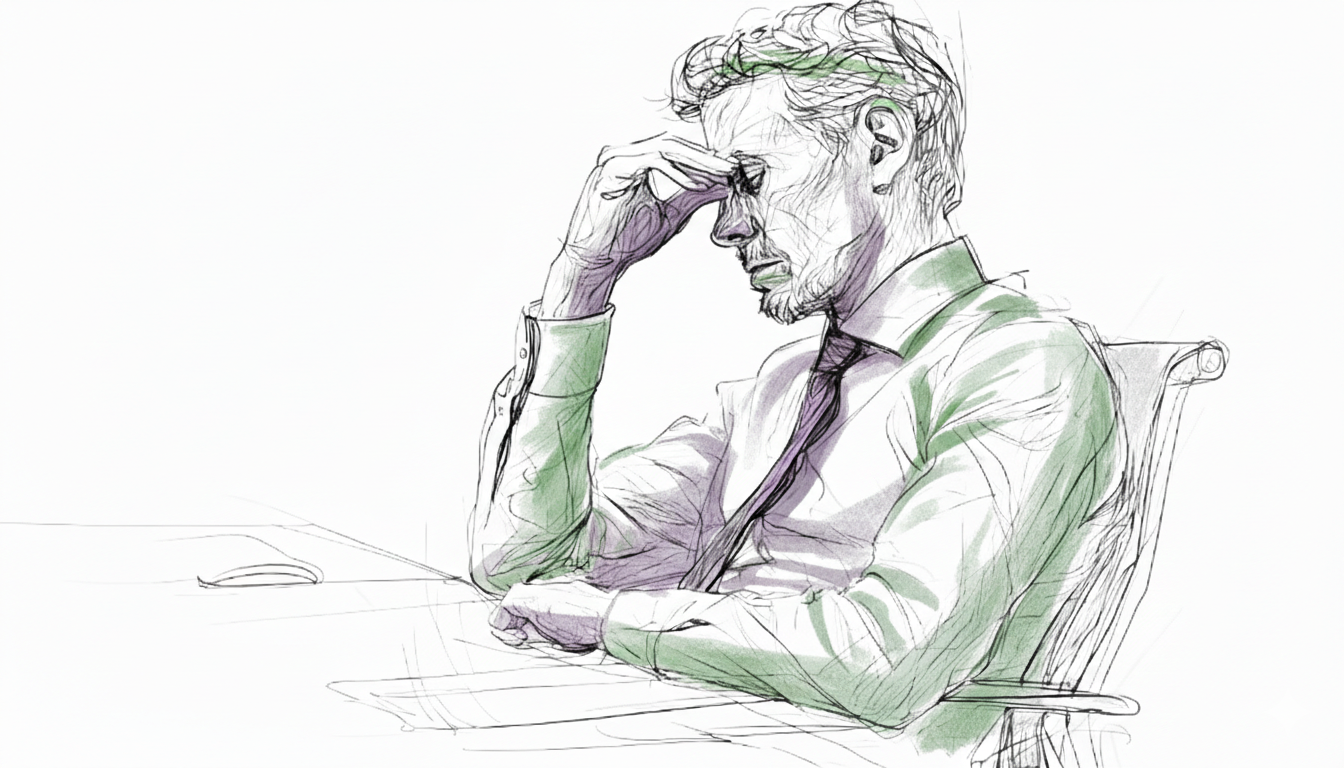
For millions of professionals, these headaches, burning eyes, and sudden drops in focus are alarm bells signaling a critical health cost. Because continuous screen time is a marathon your body isn't designed to run. Moreover, once the brain is deeply engrossed in work, it cannot sustain the necessary level of self-awareness to take breaks.
Studies confirm this: the most productive employees work in intense blocks of approximately 52 minutes, followed by restorative breaks averaging 17 minutes.(1)(2)
Thus, breaks are essential recharge cycles that conserve your mental capacity for better decisions later in the day.
Lumina’s Break Reminder is designed to solve the issue of sustained awareness. Unlike other screen-time trackers that only measure how long your computer is awake, Lumina analyzes your actual screen-time debt by validating if you were actually in front of the screen or if you stepped away, and coaches you toward restorative breaks needed to maintain peak performance.
What Happens to Your Body When You Sit For Long
Your body is built for movement. When you stay in one seated position for hours, you trigger a chain reaction of negative physical changes that hurt your health and your work.
1. Metabolic Breakdown (Long-term Health Issues)
You might hit the gym five days a week, but if you sit uninterrupted for ten hours a day, the chair is still working against your metabolism. Research indicates that prolonged, unbroken sitting is an independent risk factor for systemic metabolic dysfunction.(3)
Studies confirm: People who sit for the longest periods (more than eight hours/day) have a 112% higher risk of developing Type 2 Diabetes compared to those who sit the least.(4)
When you are glued to your screen, the large muscles in your legs and glutes become inactive. This causes the activity of Lipoprotein Lipase (LPL) - the enzyme essential for drawing glucose and fat out of your bloodstream to plummet.(5) This metabolic gate closure leads directly to Impaired Glucose Metabolism.
Beyond diabetes, prolonged sitting contributes to poor cardiovascular health by negatively impacting cholesterol, raising blood pressure (hypertension), and increasing inflammation, significantly elevating the risk of Heart Disease and Stroke (6). It also raises the risk of dangerous clots like Deep Vein Thrombosis (DVT) (7). Read more here.
The lesson is clear: Even if you work out, breaking up sedentary time is just as important as exercising. This is where your break becomes a critical intervention.
2. Cognitive Decline and Mental Fog (Long-Term Productivity Impact)
Continuous screen exposure without a break drains your brain’s energy, specifically, its ability to focus and control decisions - known as executive function.
The front part of your brain (the prefrontal cortex) manages planning, focus, and impulse control, and its supply of energy is finite. Hours of uninterrupted screen input creates a constant sensory overload. This strain also has a physical effect: it tightens your chest, forcing you to breathe more shallowly. This means less oxygen is reaching your brain. The physical stress raises your cortisol (the stress hormone) and signals to your body that you are under constant strain.
This overload causes Cognitive Fatigue, which we feel as "mental fog." This fog makes it harder to hold onto ideas (working memory) and slows down your thinking. A break then becomes the necessary brain reset. It allows that vital part of your brain to recharge, which is the only way to restore your sharp focus and mental clarity.
3. Visual Fatigue (Digital Eye Strain)
When you stay focussed on the screen without any break, it creates an ocular debt. This happens because lack of breaks prevent the ciliary muscle from relaxing, leading to fatigue and reduced blinking. The natural blink rate can drop by more than 60% causing eye dryness and irritation.(8) The result is Digital Eye Strain (DES), which manifests immediately as blurred vision or headache, and the slow-to-process feeling known as brain fog.
To fully understand the science behind this Accommodation Stress and how to prevent it, read How Lumina’s Eye Score Protects Your Vision and Productivity.
4. Spinal Strain (The Whole-Body Debt)
The most common issue is the unconscious shift into poor posture. Intense staring combined with prolonged sitting creates a "postural debt" that affects your entire spine.
As you lean toward your screen, your head juts forward. For every inch your head moves forward from your shoulders, you add about 10 pounds of force to your spine. This strain causes deep neck stiffness and chronic back pain.
To understand exactly how Lumina helps you measure and correct this, read How Lumina’s Posture Score Protects Your Spine and Productivity.
The Neuroscience of Sustainable Performance
The intuition of a high-performer is often to "power through" every task. It feels productive to stay glued to the screen, but when it comes to deep work, this strategy guarantees failure. Why? Because it violates the brain's natural activity cycles (Ultradian Rhythms) and ultimately leads to a rapid decline in output.
If you want to stay productive over months and years, rather than just hours, you must treat your focus as a finite resource that requires timely recharge.
The Illusion of Continuous Work
Real productivity isn't about how many hours you can sit still. It’s about the intensity and quality of the work you produce during those hours.
-
Without Breaks: Your focus slowly drifts. You remain in your chair, but you find yourself re-reading the same email, fixating on typos, or getting distracted by low-value "busywork." You are still "at work," but you aren't getting anything meaningful done.
-
With Strategic Pauses: You reset your cognitive battery. When you return to the screen, your executive function is restored, allowing you to solve complex problems faster.
In short: Breaks don't steal your time. They protect your quality.
Introducing the Lumina Break Reminder
The Lumina Break Reminder is your smart coach that uses your computer’s camera and advanced AI to quantify your work intensity and strain. It ensures you take necessary breaks for maintaining the cognitive resilience required for a peak productivity.
Like all Lumina features, the Break Reminder is built for privacy and runs locally on your device. Our privacy policy ensures your camera video never leaves your computer.
The Break Reminder is based on the science of Cognitive Cycles and Static Strain. Our AI system analyzes your work behavior and translates these biological markers into a precise metric for break necessity:
-
Screen Time Mapping: Lumina knows if you were actually in front of the screen or if you stepped away. By validating your presence, Lumina provides an accurate measure of your screen-time debt and ensures your "Performance Pauses" happen exactly when you need them most.
-
The Eye Strain Indicator: By tracking continuous focus without relief, Lumina quantifies the time until your ciliary muscles fatigue. This metric helps prevent eye strain, blurred vision, and headaches.
-
The Postural Strain Clock: Continuous sitting causes strain (Tech Neck). Lumina tracks the uninterrupted time you have spent seated in front of the screen. It then nudges you to move and helps prevent the muscular tension that leads to stiffness and back pain.
-
The 52/17 Rule: Lumina understands the scientific rule that your brain works best in cycles of intense effort followed by short rests. It intervenes to prevent your focus from slipping and your work quality from dropping.
Taking small "Performance Pauses" keeps your output consistent and high-quality. It’s the difference between burning out in two years or staying sharp for the next twenty.
Take Control of Your Focus With Lumina
Uninterrupted screen time leads to physical and cognitive decline which impacts productivity. When you are spending long hours achieving high output, relying on manual willpower and memory is not enough to protect your focus and long-term health. Lumina’s Break Reminder is the answer.

Lumina acts as your intelligent performance coach, continuously tracking the root causes of cognitive and physical debt (Screen Time Mapping and Static Load) and guiding you toward necessary recovery in real-time. Lumina empowers you to break the habit of burnout, maintain peak performance, and maximize your productive effort.
Download the Lumina AI Wellness App Today and Improve Your Focus!
References
(1): Does the 52-17 rule really hold up?. DeskTime Research.
(2): Peak productivity: Why 52 is the magic number
(3): Daniele, A., Lucas, S. J. E., & Rendeiro, C. (2022). Detrimental effects of physical inactivity on peripheral and brain vasculature in humans: Insights into mechanisms, long-term health consequences and protective strategies. Frontiers in Physiology, 13, 998380.
(4): Bauman, A. et al (2016). Does physical activity attenuate, or even eliminate, the detrimental association of sitting time with mortality? A harmonised meta-analysis of data from more than 1 million men and women. The Lancet, 388(10051), 1302–1310.
(5): Achana, F. A. et al (2012). Sedentary time in adults and the association with diabetes, cardiovascular disease and death: Systematic review and meta-analysis. Diabetologia, 55(11), 2895–2905.
(6): Bergen, T. et al (2021). The effects of prolonged sitting, prolonged standing, and activity breaks on vascular function, and postprandial glucose and insulin responses: A randomised crossover trial. PLoS One, 16(1), e0244841.
(7): Zderic, T. W., & Hamilton, M. T. (2006). Physical inactivity amplifies the sensitivity of skeletal muscle to the lipid-induced downregulation of lipoprotein lipase activity. Journal of Applied Physiology, 100(1), 249–257.
(8): Ferreira, S. et al (2023). Real-Time Blink Detection as an Indicator of Computer Vision Syndrome in Real-Life Settings: An Exploratory Study. International Journal of Environmental Research and Public Health, 20(5), 4569.