
How Sitting For Long Can Spike Your Blood Glucose Even If You Exercise Regularly
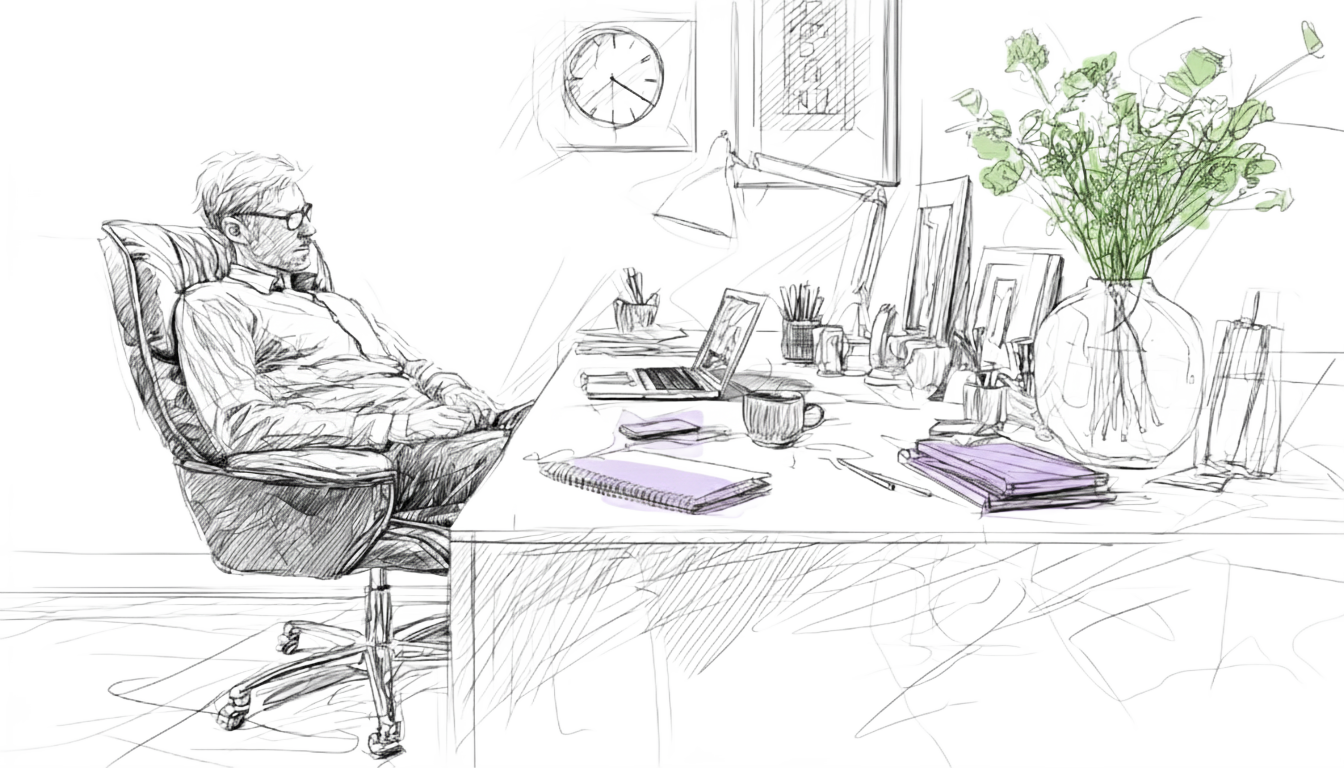
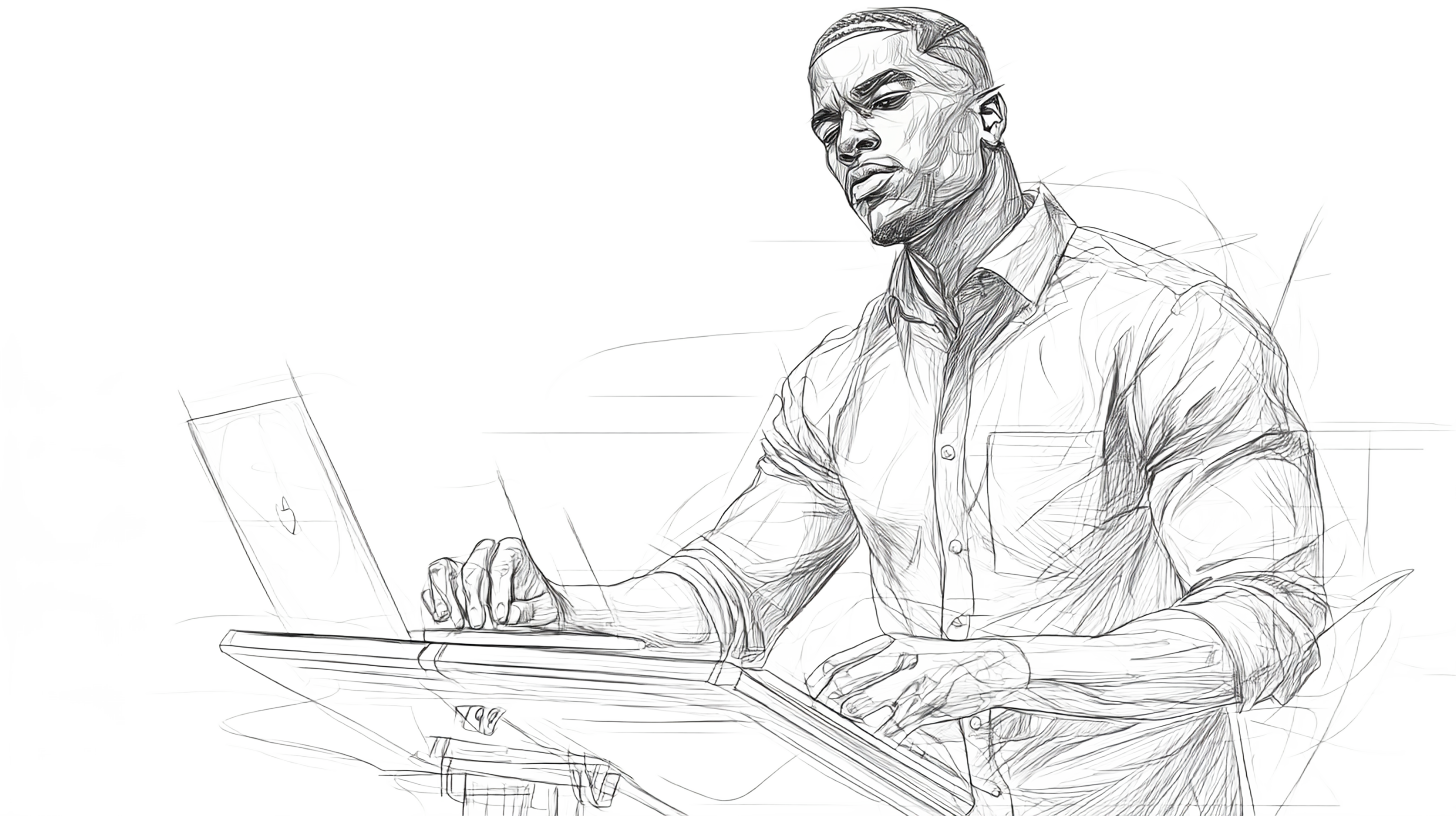
Connor was a successful data scientist, which meant his work required him to sit in front of computer screens for ten to twelve hours straight. His diet was "okay" - he generally ate balanced meals, but the stress of his job often led to late-night junk food binges to cope with the pressure. He believed his health was safeguarded by his routine: a quick 30-minute walk after work, five days a week.
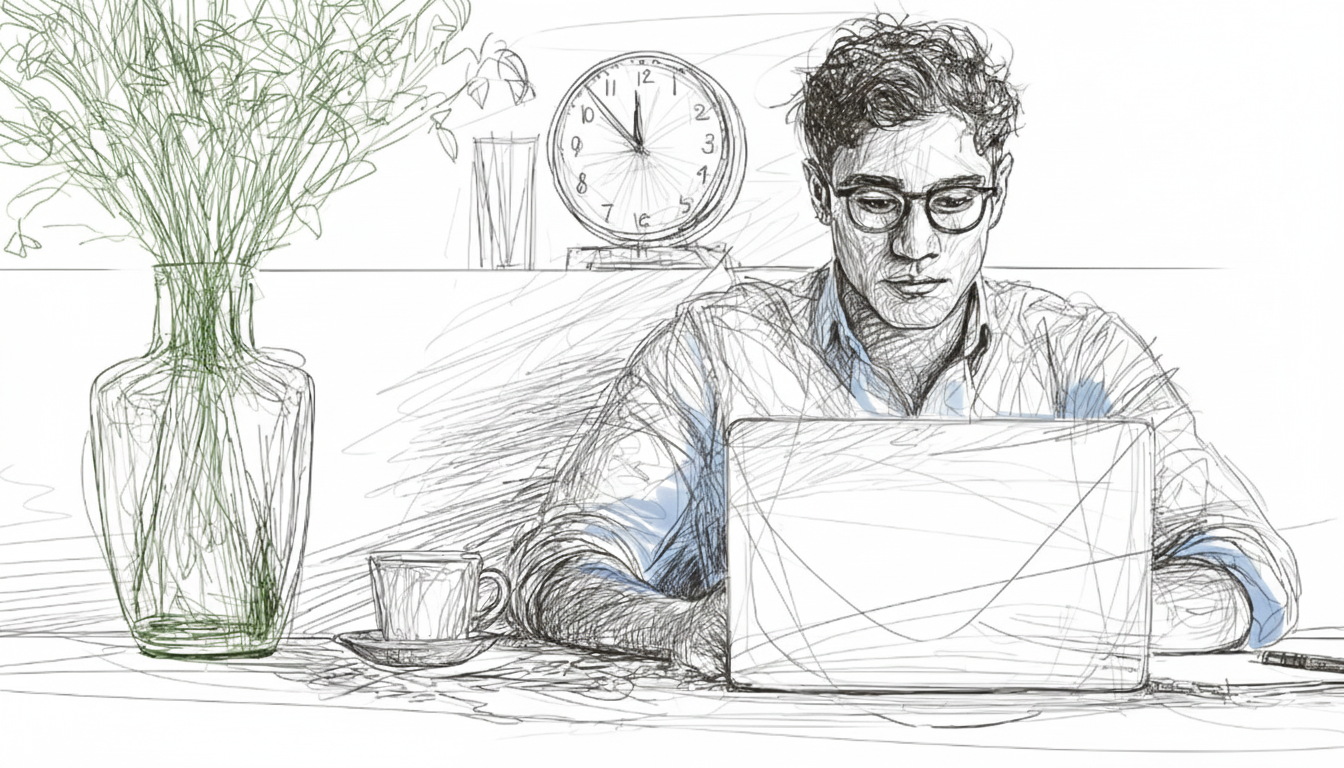
Very recently, fatigue had started to slow him down. His long workdays would feel overwhelming and he couldn’t work with the same intensity as before. Then came the shock during a routine annual check-up. Even with his regular walking, tests showed his blood sugar was creeping toward pre-diabetes. His cholesterol markers were also elevated, flagging him at risk for heart disease.
His doctor delivered the surprising news: While his diet and walking routine were contributing factors, the real problem was the ten hours of uninterrupted sitting that was silently affecting his metabolism.
How Long Sitting Slows Your Metabolism
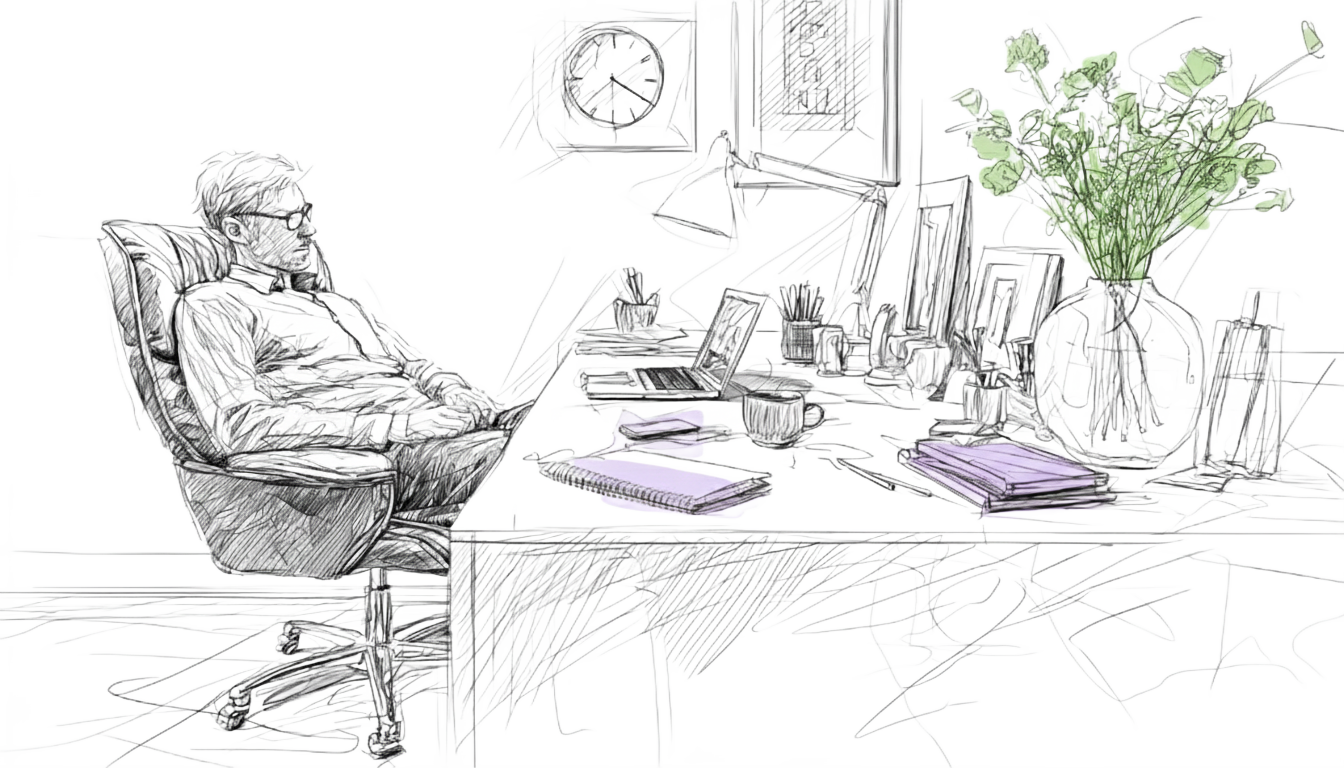
You might think that your 30-minute walk or gym session "cancels out" ten hours of sitting. Unfortunately, that's not entirely true. Research indicates that prolonged sitting without breaks is an independent risk factor for metabolic dysfunction**.**(1) This means its negative effects can persist even for those who meet daily physical activity guidelines.(2)
The data is clear on the severity: People who sit for the longest periods (often defined as more than eight hours/day) have a 112% higher risk of developing Type 2 Diabetes compared to those who sit the least (less than four hours per day).(3)(4)(5)
How Does This Metabolic Damage Happen?
When you are glued to your screen for hours with no breaks, your body enters a state of metabolic shutdown. Sitting for extended periods causes the muscles in your legs and glutes to become inactive. These muscles play a critical role in glucose uptake from your bloodstream.(5)
When the muscles are not engaged, the metabolic trouble begins with the Glucose Pathway Shutdown via LPL - Lipoprotein Lipase. LPL is essential for drawing glucose (blood sugar) out of your bloodstream and into your muscle cells for fuel. When you sit still for hours, LPL activity can plummet by up to 90%, closing the metabolic gates.(6)
This closure leads directly to Impaired Glucose Metabolism: glucose is unable to enter the muscle cells and stays in your bloodstream longer (especially after meals). This high blood sugar forces your pancreas to pump out more and more insulin. Over time, your body's cells become less responsive to insulin. This state is known as Reduced Insulin Sensitivity or Insulin Resistance. This is the definition of metabolic dysfunction that accelerates the slide toward pre-diabetes.
The Obesity-Diabetes Connection
The glucose pathway shutdown is a primary reason why inactivity is so toxic to the modern population. This metabolic slowdown encourages your body to store fat instead of using it for energy, leading to weight gain and obesity - a major risk factor.(7) In the United States, obesity and physical inactivity account for 90-95% of all Type 2 Diabetes cases.(8) Therefore, your chair, combined with poor dietary choices (like Connor's junk food binges), creates the perfect biological environment for this disease to take root.
The lesson is clear: Even if you work out after your job, the uninterrupted sitting will still cause blood sugar spikes and insulin resistance. This highlights that breaking up sedentary time is just as important as exercising.(9)
Beyond Blood Sugar: Other Health Problems Due to Prolonged Sitting
While Type 2 Diabetes is a major concern, the list of health problems linked to excessive sitting extends much further:
-
Heart Disease: Prolonged sitting (defined in research as 8+ hours per day) contributes to poor cardiovascular health by negatively impacting cholesterol levels, raising blood pressure (hypertension), and increasing inflammation. This elevates the risk of heart attacks and strokes.(2)
-
Certain Cancers: Studies have found associations between prolonged sedentary behavior and an increased risk of specific cancers, including colon, endometrial, and lung cancers. The exact mechanisms are still being explored, but metabolic dysfunction and inflammation are thought to play a role.(10)
-
Deep Vein Thrombosis (DVT): Sitting too long can cause blood to pool in your legs, increasing the risk of blood clots forming in deep veins. These clots can be dangerous if they break off and travel to the lungs.(11)
-
Obesity and Metabolic Syndrome: Sedentary behavior slows metabolism, making it easier to gain weight and harder to lose it. This contributes to obesity and a cluster of risk factors known as metabolic syndrome.(7)
-
Premature Death: Perhaps the most sobering statistic is the link between excessive sitting and an increased risk of early death from all causes.(9) While research may reference diabetes risk, the mortality link is broader: the metabolic damage (insulin resistance, high blood sugar), cardiovascular stress (high blood pressure, poor cholesterol), and inflammation - all contribute to systemic health breakdown, which increases the risk of dying prematurely from any cause.(12)
Your Action Plan: Move More, Sit Less
The good news is that these negative effects on your metabolism can be reversed quickly. You don't need to suddenly become a daily runner to counteract the damage. As research shows, the key is to break up your sitting time.
One study found that interrupting prolonged sitting with short bouts of standing or light walking significantly improved post-meal glucose and insulin responses in adults.(13) Why? Because even a brief movement reactivates the LPL enzyme in your leg muscles, taking up the glucose and fat from your blood.
The goal: Get up and move for 2-5 minutes every 30 minutes.
Here’s how you can weave movement back into your sedentary work life:
- Set a Timer: Use an app, watch, or desk timer to remind you to stand up every 30 minutes.
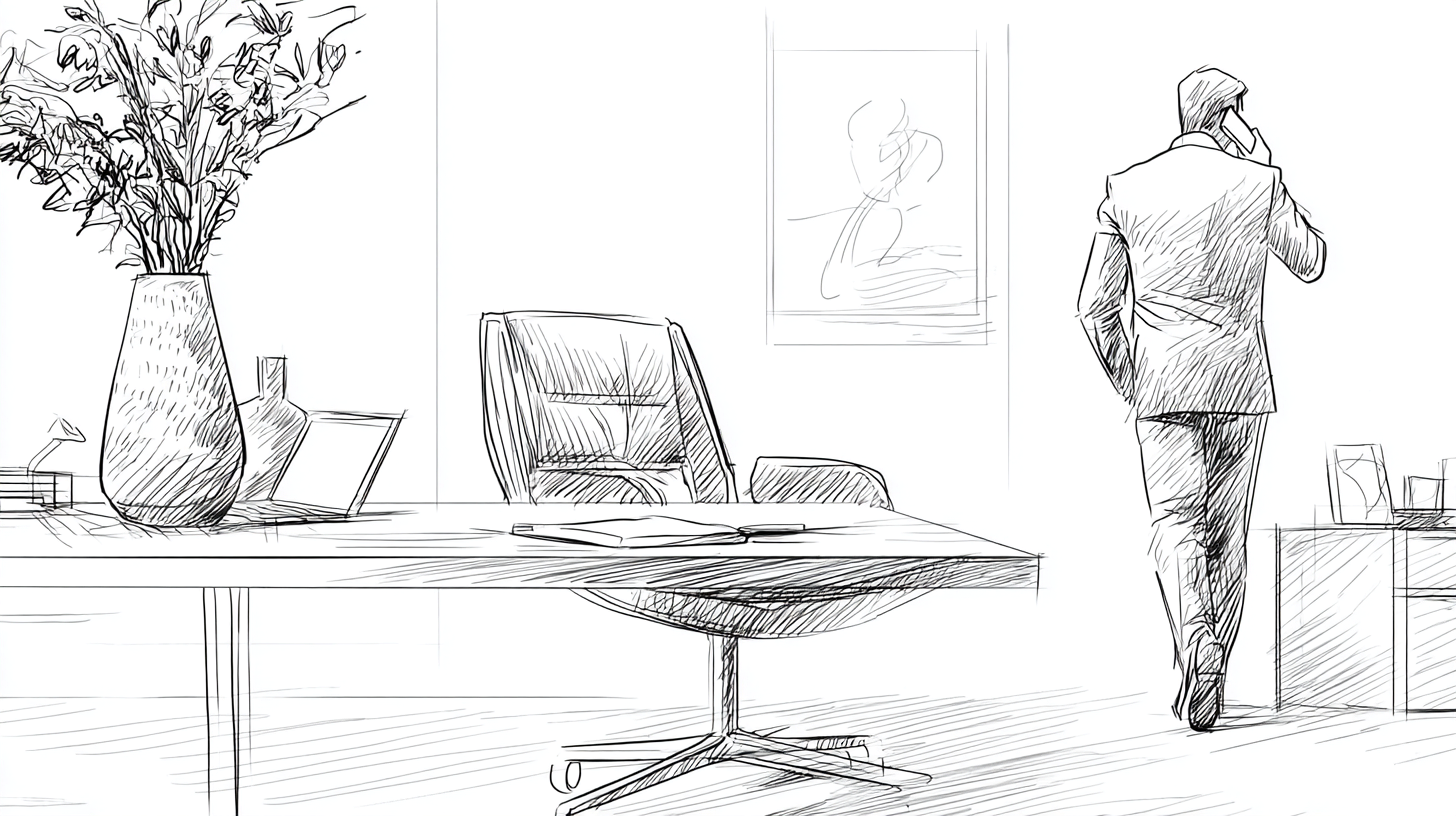
- Embrace Movement Breaks: - Walk and Talk. Pace around your office or home while taking phone calls. - Walk to a colleague's desk instead of sending an email or instant message. - Take the stairs instead of the elevator whenever possible. - Use your movement breaks to also grab a glass of water and do a few simple stretches.
-
Invest in Equipment: If possible, consider a standing desk or a sit-stand workstation to allow your muscles to remain engaged while you work.
-
Active Commute: If feasible, travel by walking or cycling part of your commute.
Remember: the problem isn’t lack of exercise, but lack of frequent movement. All you need to do is break up your sitting time to reboot your metabolism.
Don't Let Your Chair Be Your Health's Downfall
Realizing the chair was the real enemy, Connor changed his work habits. He set a timer to remind himself to get up and walk for five minutes every half hour. He also started taking phone calls while standing up. Within a few months, his blood sugar and cholesterol levels dropped back to a healthy range.
Connor’s story proves that moving frequently throughout the day is just as important as a workout. Because prolonged sitting slows down your metabolism and impairs your body's ability to handle sugar, this battle against stillness is one you must fight daily.
The good news is that you can win, too. Don't let your chair dictate your health. Understand the risk of sitting long hours without a break, and start your movement habit today. Your body, your energy levels, and your future health will absolutely thank you.
Disclaimer: This blog post is for informational purposes only and does not constitute medical advice. Please consult with a healthcare professional for personalized health guidance.
References & Further Reading
(1): Daniele, A., Lucas, S. J. E., & Rendeiro, C. (2022). Detrimental effects of physical inactivity on peripheral and brain vasculature in humans: Insights into mechanisms, long-term health consequences and protective strategies. Frontiers in Physiology, 13, 998380.
(2): Bailey, D. P. et al (2019). Sitting time and risk of cardiovascular disease and diabetes: A systematic review and meta-analysis. American Journal of Preventive Medicine, 57(3), 408–416.
(3): Achana, F. A. et al (2012). Sedentary time in adults and the association with diabetes, cardiovascular disease and death: Systematic review and meta-analysis. Diabetologia, 55(11), 2895–2905.
(4): Bauman, A. et al (2016). Does physical activity attenuate, or even eliminate, the detrimental association of sitting time with mortality? A harmonised meta-analysis of data from more than 1 million men and women. The Lancet, 388(10051), 1302–1310.
(5): Bergen, T. et al (2021). The effects of prolonged sitting, prolonged standing, and activity breaks on vascular function, and postprandial glucose and insulin responses: A randomised crossover trial. PLoS One, 16(1), e0244841.
(6): Zderic, T. W., & Hamilton, M. T. (2006). Physical inactivity amplifies the sensitivity of skeletal muscle to the lipid-induced downregulation of lipoprotein lipase activity. Journal of Applied Physiology, 100(1), 249–257.
(9): Hamilton, M. T., Hamilton, D. G., & Zderic, T. W. (2014). Sedentary behavior as a mediator of type 2 diabetes. Medicine and Sport Science, 60, 11–26.
(8): Bhupathiraju, S. N., & Hu, F. B. (2016). Epidemiology of obesity and diabetes and their cardiovascular complications. Circulation Research, 118(11), 1723–1735.
(10): An, S., & Park, S. (2022). Association of physical activity and sedentary behavior with the risk of colorectal cancer. Journal of Korean Medical Science, 37(19), e158.
(11): Beasley, R. et al (2010). Prolonged work- and computer-related seated immobility and risk of venous thromboembolism. Journal of the Royal Society of Medicine, 103(11), 447–454.
(7): Klein, S., Gastaldelli, A., Yki-Järvinen, H., & Scherer, P. E. (2022). Why does obesity cause diabetes? Cell Metabolism, 34(1), 11–20.
(12): Stamatakis, E., Hamer, M., & Dunstan, D. W. (2011). Screen-based entertainment time, all-cause mortality, and cardiovascular events: Population-based study with ongoing mortality and hospital events follow-up. Journal of the American College of Cardiology, 57(3), 292–299.
(13): Bertovic, D. A. et al (2012). Breaking up prolonged sitting reduces postprandial glucose and insulin responses. Diabetes Care, 35(5), 976–983.