
How Lumina's Posture Score Protects Your Spine and Productivity
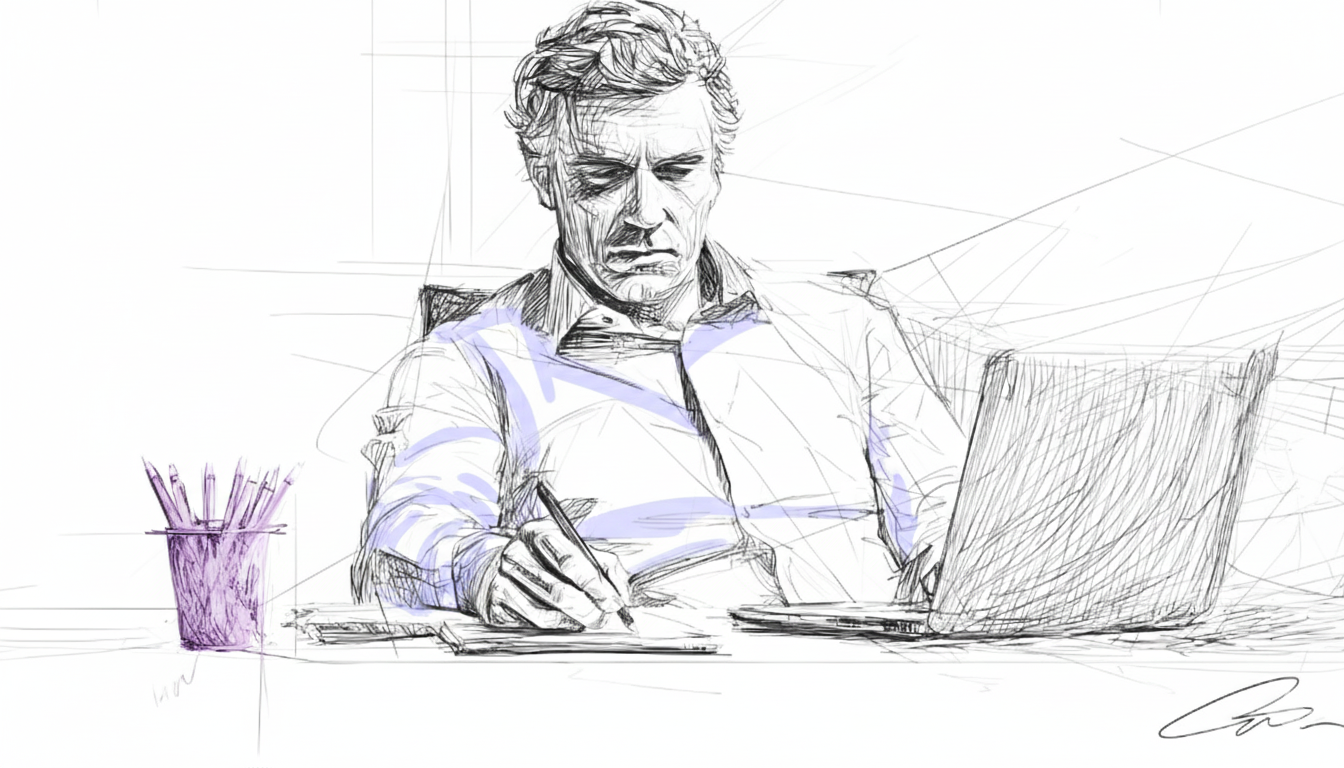
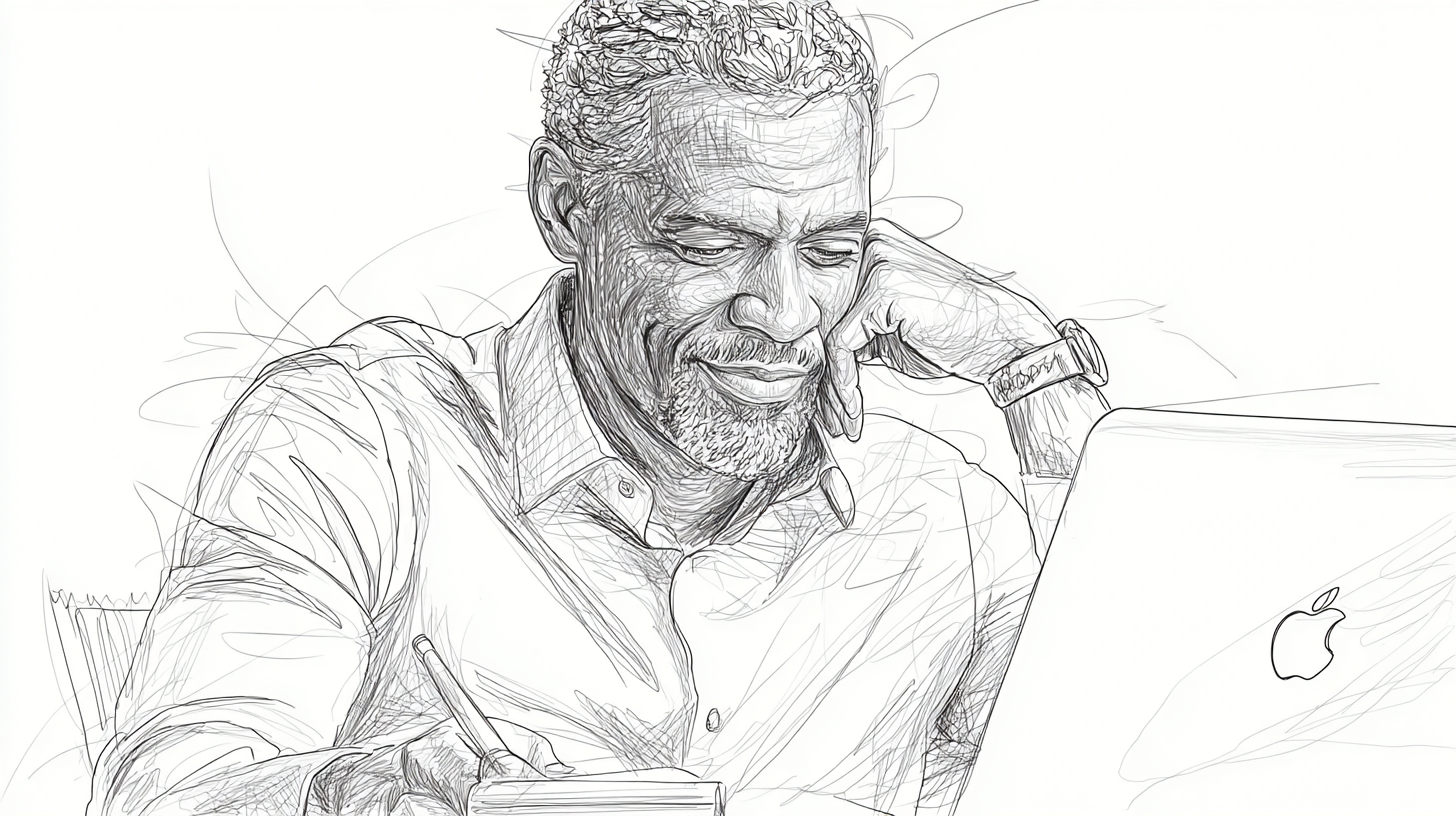
Mark is a 50-year-old finance director. He routinely works 12 to 14 hours a day in front of the screen. He habitually slumped over his desk and treated the resulting neck stiffness as a normal part of his workday. But everything changed a couple of years ago when he suffered a pinched nerve in his neck.
He underwent physical therapy, got better, and got busy again. For a few months, he stayed aware of his posture, but as the work intensified and the pain receded, old habits slowly crept back in. This year his neck pain returned. It started creeping in every afternoon. Mark ignored it again, thinking it was just normal fatigue not knowing that the daily slumping on his laptop was exacerbating his old injury.
Today, every hour Mark spends seated is a quiet struggle. Prolonged sitting compounded by his old injury now triggers muscle strain that cuts into his focus and productivity. He wants to fix his posture, but he is so engrossed in earning his living that he ignores the pain just carries on.
Mark’s pain is not unique. For millions of professionals, neck stiffness and back pain are alarm bells signaling a critical health cost. Poor sitting posture is a health metric that affects everything - from your physical well-being to your mental clarity. The core issue is that sustained awareness vanishes the moment you become engrossed in your work.
Introducing Lumina, your workplace wellness companion. Lumina’s Posture Score is designed exactly to analyze and improve your postural health in real-time and help you reclaim your health and productivity.
What is Good Posture and Why Does it Matter?
Good posture is defined as a state of neutral spine alignment - the ideal position where your muscles, joints, and ligaments work together with minimal strain. This is where your body is properly stacked and the weight of your head is naturally balanced over your hips. This optimal alignment distributes gravitational stress proportionately and removes the strain that causes fatigue.
When you maintain a neutral spine, you eliminate the postural debt that leads to stiffness. Instead of your muscles wasting energy just to hold you upright, they work in coordination helping you stay energized. Good posture also helps keep the chest cavity open. This way you are not only breathing, but also fueling your brain with the oxygen needed for cognitive clarity.
Bad Posture and its Impact
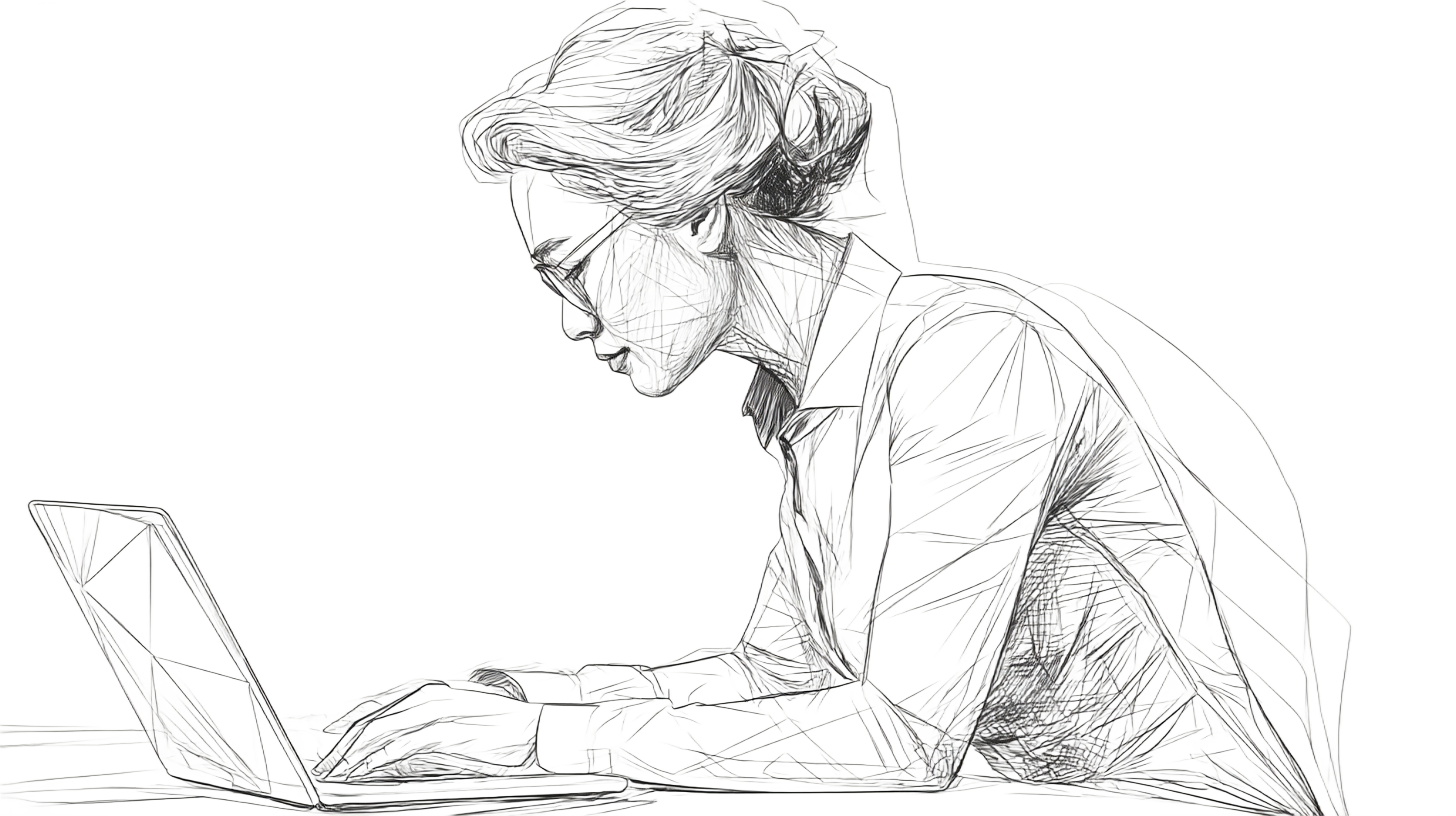
Sitting hunched over your screen with shoulders rounded forward, chest caved in, and neck jutting forward, creates physical and mental consequences. Here is the scientific reality of poor posture and its costs.
A. Effects on the Body (Physiological Impact)
1. Musculoskeletal Strain or Tech Neck
When the head shifts forward, it places extreme stress on the spine. This is a common issue known as Tech Neck. For every inch your head moves forward from a neutral position, the weight on the cervical spine increases by approximately 10 lbs.(1) This constant strain leads to neck pain, tension headaches, and shoulder ache.
2. Compromised Respiration
Slouching compresses the chest cavity and reduces your lung capacity and oxygen intake.(2) Less oxygen means less metabolic efficiency and less available energy for your brain and body.
3. Digestion and Circulation Issues
A compressed torso constricts abdominal organs, slowing down digestion and metabolism. This can contribute to common issues like acid reflux and poor nutrient absorption.(3)
B. Effects on the Mind (Psychological Impact)
1. Mood and Stress Response
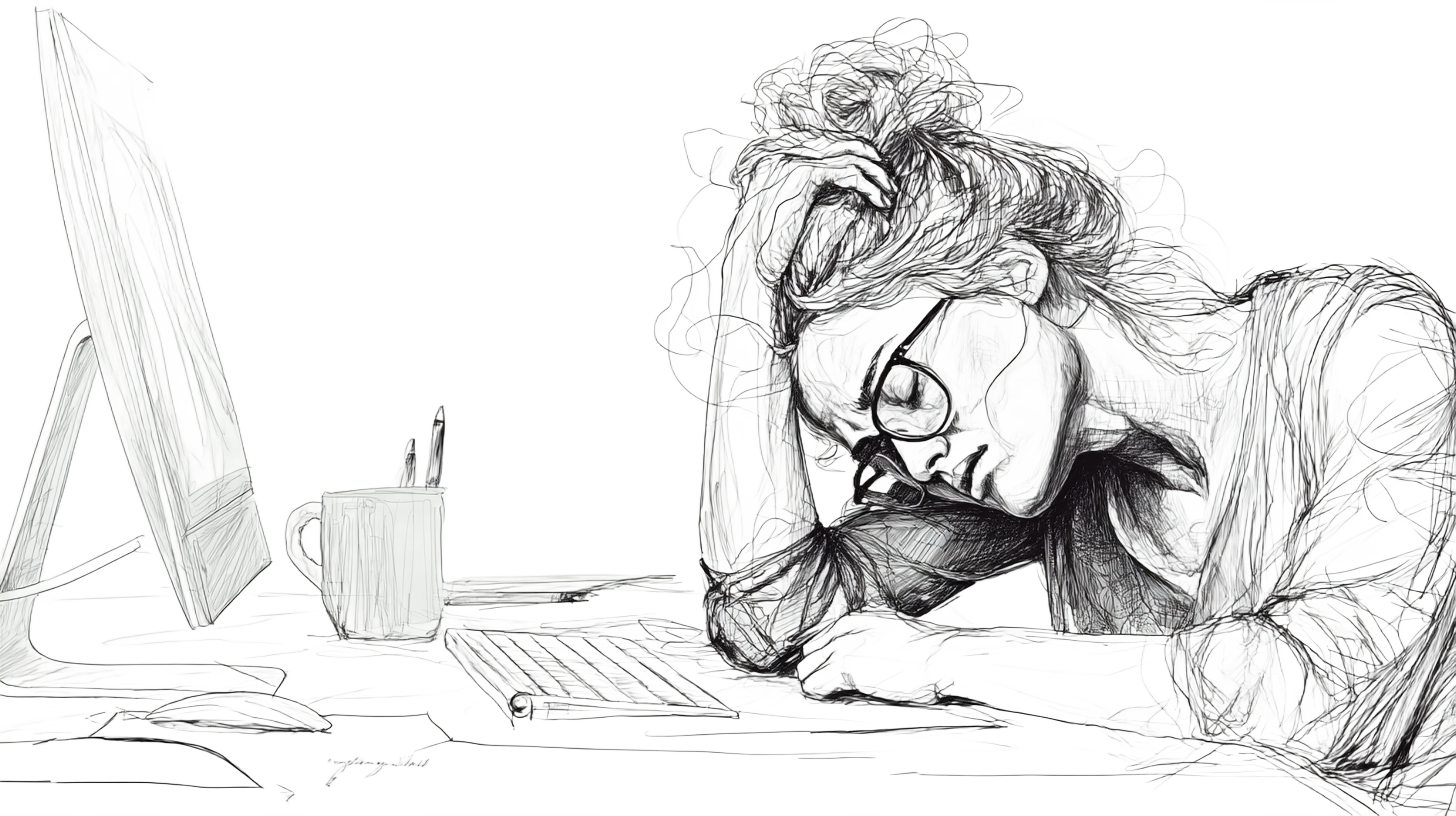
Research shows a Mood-Posture Connection. Upright posture is linked to higher self-esteem, a more positive mood, and increased resilience to stress.(4) Conversely, slouched posture triggers negative emotional processing and lowers energy. Studies on "Power Posing" further confirm that expansive postures can reduce cortisol (the stress hormone) levels while boosting confidence.(5)
2. Cognitive Function
Improved posture correlates with better memory recall and focus. That slump you fall into mid-afternoon is directly linked to mental fog.(6)
Introducing the Lumina Posture Score
What is the Lumina Posture Score?
The Posture Score is your personal posture indicator. It uses your computer's camera to observe your sitting posture and then translates science into one clear Percentage Score that tells you how much strain you are putting on your spine.
Also, Lumina is built for privacy and runs locally on your device. Our privacy policy ensures your camera video never leaves your computer.
How Lumina Works: Science for Better Sitting
The Posture Score is based on ergonomic science. Our algorithm uses real-time metrics focused on critical areas of spinal strain:
**1. Screen Distance (The 50 cm Rule): **Lumina measures the distance between you and your screen and ensures you maintain a Visual Reach of at least 50 cm (about an arm’s length). Keeping this distance prevents the forward lean (also known as Tech Neck) that strains your eyes and neck, and keeps your spine in a relaxed state.
**2. Vertical Alignment Analysis (The Hunch Detector): **Lumina uses a high-performance AI model to identify specific points on your face and torso to understand your position. When you begin to slump or hunch, it accurately detects it and nudges you back into a healthy, upright position
**3. Orientation Symmetry (The Neck Neutrality): **Lumina senses if you are holding your head in a fixed twist or tilt for too long (e.g., constantly looking at a secondary monitor). If detected, Lumina sends a simple alert to recenter your screen. This stops one-sided muscle tension, which is the root cause of tension headaches.
**4. Sedentary Load (The Circulation Reset): **Lumina tracks your time-in-seat and senses when you have been static for long. It then nudges you to take a break to prevent "postural debt" from building up. The human body is an engine that stalls if it sits too long. Quick breaks help restore blood flow and keep your muscles responsive so you can sustain focus for hours.
5. Personalized Adaptation (The Smart Coach): Lumina is designed to be a helpful coach, not an annoying alarm. Our AI models learn your habits to adapt to your unique movements and patterns. This ensures the feedback is always personalized and relevant to your workflow.
How Personalized Nudges Help
Lumina translates these data points into your Posture Score and delivers a smart Nudge - a personalized intervention that tells you what to do, when it matters most to you. This empowers you to manage your health without relying on guesswork or alarms.
Take Control of Your Alignment with Lumina
Digital posture strain is a prevalent condition affecting nearly every professional. When you are spending long hours in front of a monitor, relying on manual awareness isn't enough to protect your health. Lumina’s Posture Score is the answer.
Lumina acts as your wellness coach, continuously tracking the root physiological causes of strain (misalignment and muscular fatigue) and guides you back to health in real-time. Lumina empowers you to maintain peak performance without sacrificing your well-being.
Download the Lumina AI Wellness App Today and Check Out Your Posture Score Now!
References
(1): Gohil, D., Kathed, R. S., & Palekar, T. J. (2024). Cracking the Code of Digital Discomfort Through the Dynamic Fusion of Matrix Rhythm Therapy and Physiotherapy Exercises for Text Neck Syndrome. Cureus, 16(4), e58085.
(2): Albarrati, A., Zafar, H., Alghadir, A. H., & Anwer, S. (2018). Effect of upright and slouched sitting postures on the respiratory muscle strength in healthy young males. BioMed Research International, 2018, 3058970.
(3): Harvard Health Publishing (2022). 3 surprising risks of poor posture.
(4): Peper, E., & Lin, I. M. (2012). Increase or decrease depression: How body postures influence your energy level. Biofeedback, 40(3), 125-130.
(5): Carney, D. R., Cuddy, A. J., & Yap, A. J. (2010). Power posing: Brief nonverbal displays affect neuroendocrine levels and risk tolerance. Psychological Science, 21(10), 1363–1368.
(6): Broadbent, E. et al (2015). Do slumped and upright postures affect stress responses? A randomized trial. Health Psychology, 34(6), 632–641. * *