7 Ways to Prevent Glasses and Save Your Vision
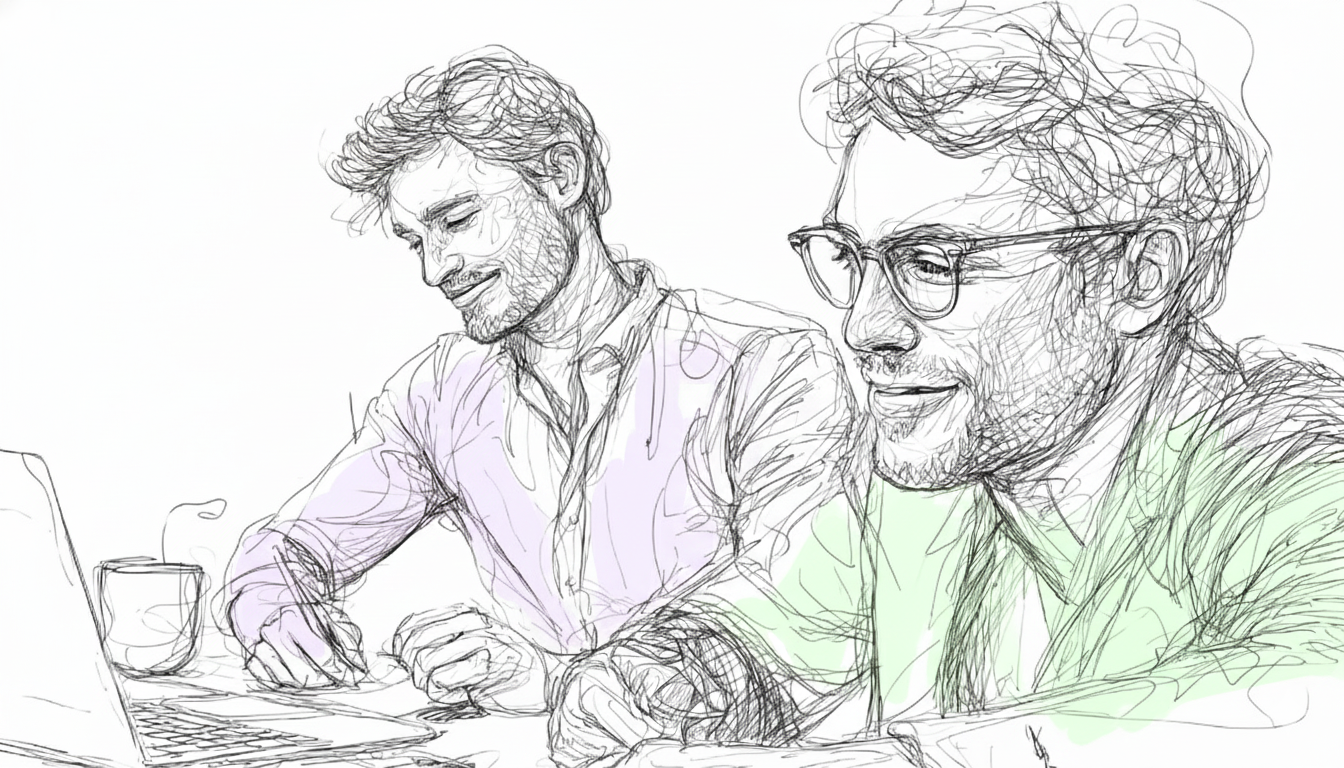
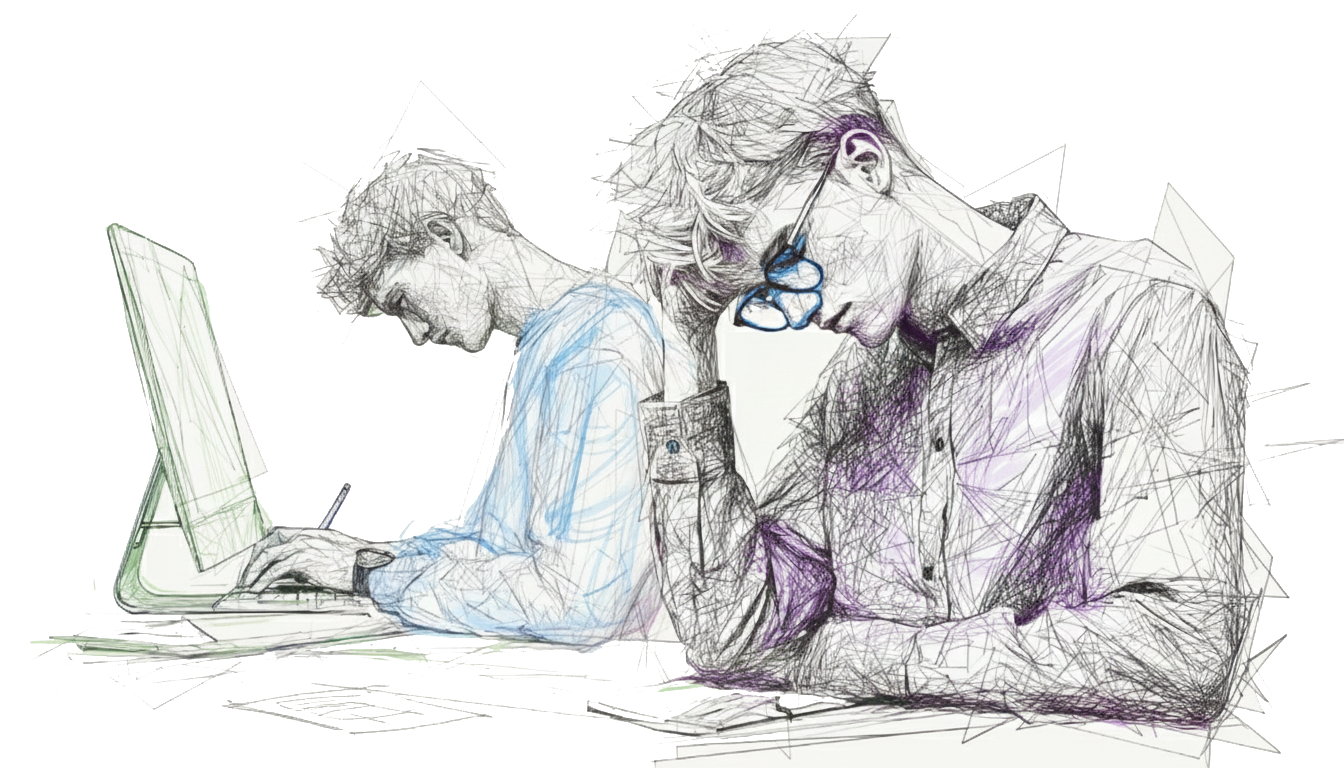
Screens were the backdrop of Sebastian and his brother Brian’s lives.
Sebastian, a 30-year-old architect, spent his days looking at 3D models and blueprints on dual monitors. He started wearing glasses in university after too many all-night study sessions on the computer. His younger brother Brian was also tied to his screens, balancing business studies and a tech internship that involved hours of lectures and coding. Both men were building their careers on their devices.
One evening, Sebastian found Brian slumped on the couch. His textbooks lay scattered beside him, and his laptop was still open. Brian rubbed his temples and sighed.
"I'm dying," Brian groaned. "Eight hours of lectures, then coding tutorials, followed by reports. My head aches, and my eyes burn. I’m starting to squint just to read slides in class."
Sebastian, who recently increased his glasses prescription, nodded. "Sounds familiar. I started getting headaches like that in architecture school. How many hours a day are you on screens?"
"Ten, maybe twelve," Brian calculated. "That's not even counting my phone." He pointed at his eyes. "I'm worried, Seb. Is this part of the deal? Am I headed for glasses? Will my vision keep getting worse because of my work?"
Sebastian adjusted his glasses. "It doesn't have to be. What you're experiencing is common, but it’s not inevitable. For guys like us who live on screens, protecting our eyes is important."
He tapped Brian's laptop. "Think of it this way: our eyes are working overtime. But with the right strategies, you can reduce the strain and stop your vision from getting worse…or prevent needing glasses at all."
How Do Screens Cause Myopia and Astigmatism?
It is projected that nearly 50% of the global population will be myopic and ~10% will have high myopia* by 2050 (1)
*High myopia is a severe form of nearsightedness, medically defined as a refractive error of −6.00 diopters (D) or more, or an axial length of the eye longer than 26.5 mm.(2)
To understand why your vision blurs after a long day of coding or modeling, you first need to understand the mechanics of the eye.
What is Myopia?
In a medical sense, Myopia (Nearsightedness) is a refractive error. In a perfect eye, light enters through the cornea and lens to focus directly on the retina (the light-sensitive layer at the back of the eye).
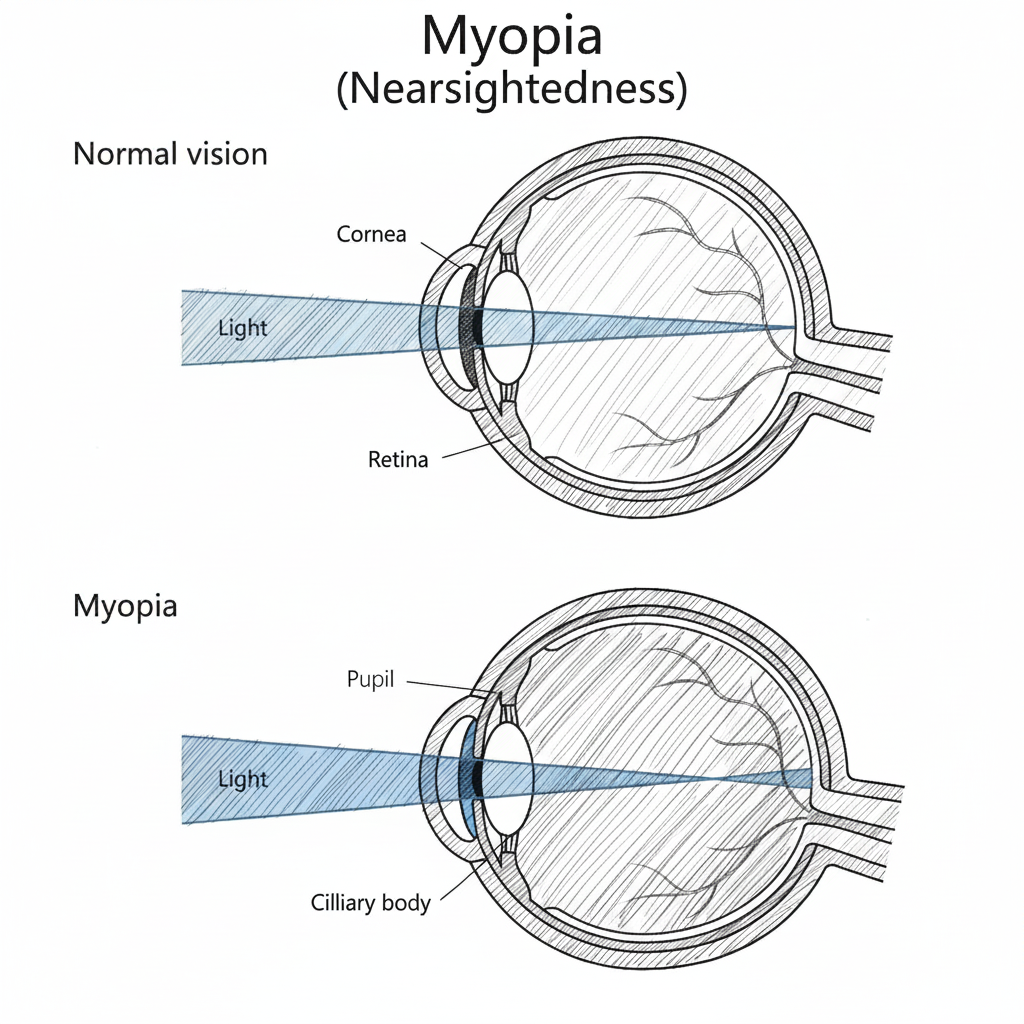
In a myopic eye, that light converges in front of the retina instead of on it. This happens because the eyeball is too long or the cornea is too curved. The result is that distant objects appear blurry while close objects remain clear.
Why Screens Trigger This in Adults
For a long time, doctors believed the eye stopped growing in your early twenties. However, recent data on "Adult-Onset Myopia" suggests otherwise.(3)
When you stare at a screen for 8+ hours, your eyes are locked in a state of accommodation. The ciliary muscles inside your eye contract tightly to keep the lens focused on the near pixels.
Research suggests that to relieve this constant muscular tension, the body adapts by physically elongating the eyeball. As the eyeball lengthens, the focal point of light falls further in front of the retina, causing your distance vision to deteriorate.(4)(5)
Astigmatism
Many screen users also suffer from Astigmatism, but the cause is different.
While Myopia is about the length of the eye, Astigmatism is about the shape of the cornea.(6) A normal cornea is round like a basketball; an astigmatic cornea is shaped like a football. This causes light to scatter rather than focus on a single point.
Do screens cause it?
Some studies hint that spending too much time focusing up close might contribute to astigmatism in younger people.(7) However, for adults, there isn’t strong evidence that screens actually change the physical shape of your eye.
Instead, screens tend to reveal the problem rather than cause it. You might have had mild astigmatism for years without knowing it, but staring at a monitor for hours forces your eyes to work harder. That gritty, tired feeling is often just your eyes struggling to compensate for that slight imperfection to keep things in focus.
While screen fatigue leads to eye rubbing, vigorously rubbing your eyes is clinically linked to weakening the cornea and worsening astigmatism (a condition called keratoconus).(8) So, while screens might not create the astigmatism, they make the symptoms significantly more painful and can lead to habits that permanently damage the eye.
Your Action Plan
Sebastian was right: living on screens is non-negotiable for your career, but damaging your eyes isn't. Here are 7 ways to stop prescription creep and keep your vision sharp.
1. Master Screen Ergonomics
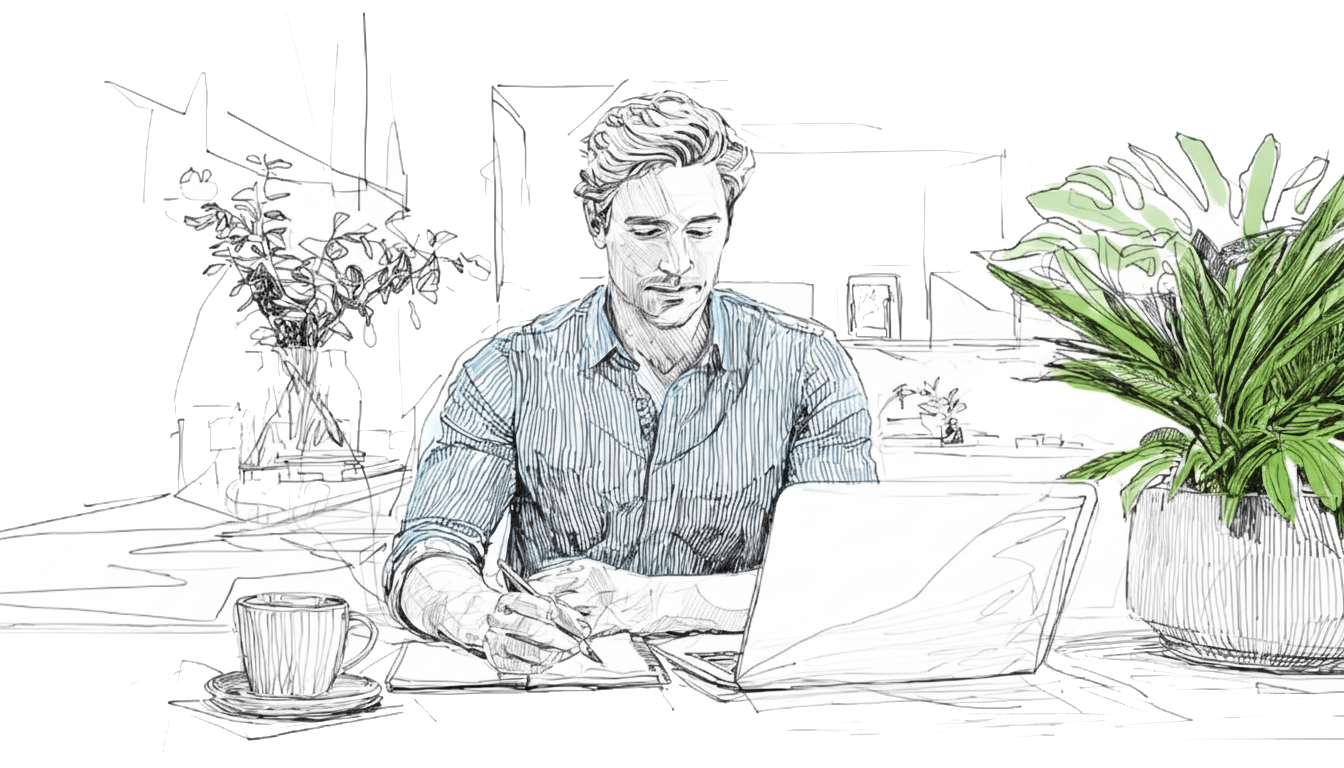
This is your most immediate line of defense against digital eye strain. Always position your monitor about an arm's length away, ensuring the top of the screen is slightly below eye level to encourage natural blinking. Lighting is just as important; avoid high-contrast setups like working in a dark room or having a bright window behind your monitor. Adjust your display settings: increase font sizes to prevent squinting, and utilize dark mode or warm color tints (like Night Shift) to reduce the harsh glare of white backgrounds.
Learn More Ergonomic Hacks for a Happy Body and Healthy Eyes
2. Eye Yoga: The 10-Minute Vision Refresh
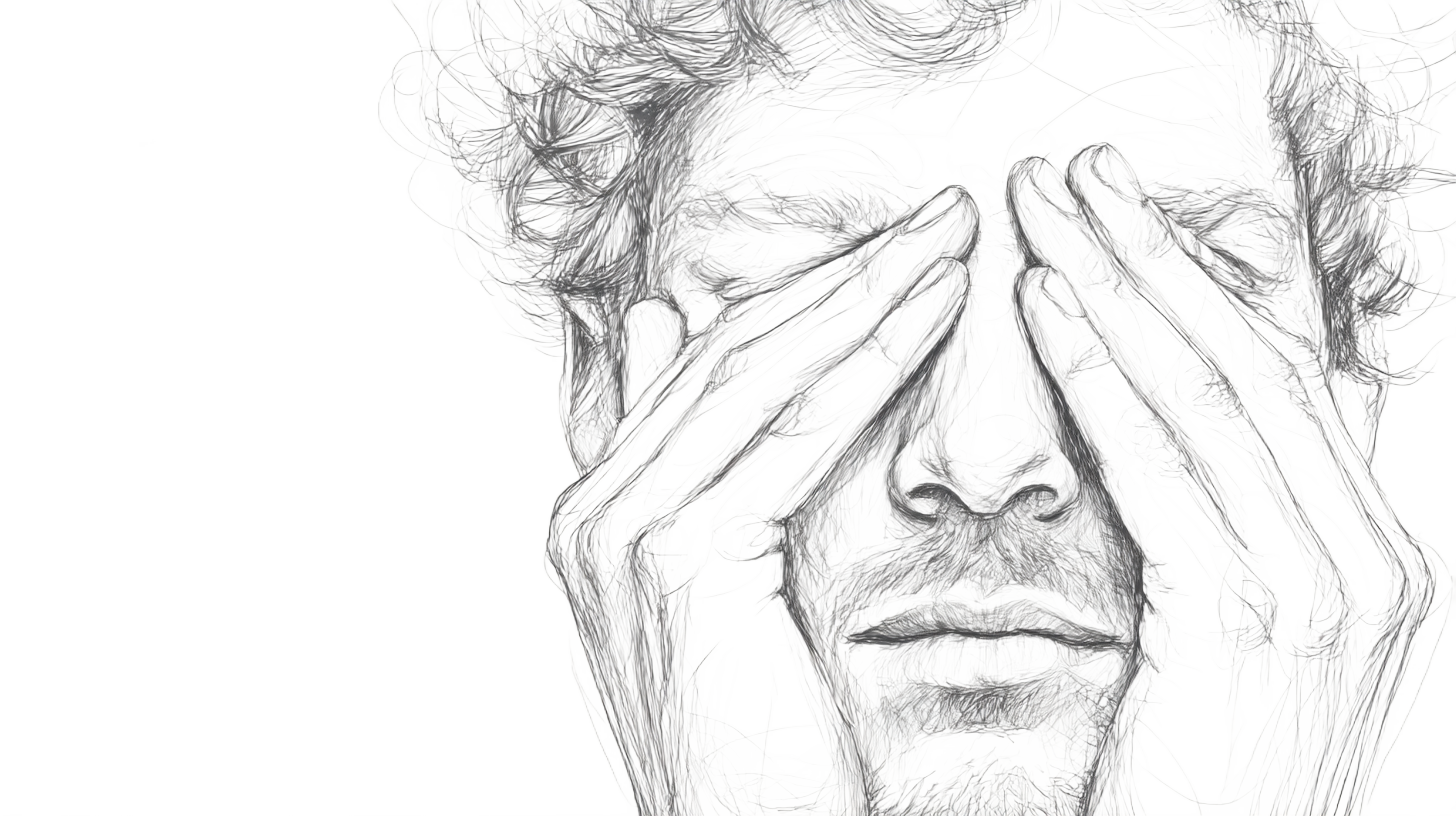
Just like your back gets stiff from sitting, your eye muscles lock up from staring. To break this tension, try eye exercises: start with rapid blinking to rehydrate, followed by eye rolls to stretch the extraocular muscles. Practice the Near-Far Focus Shift - alternating focus between your thumb and a distant object to break the "accommodation spasm" caused by pixel fixation.
Try The 10-Minute Routine To Refresh Your Vision And Get Back In The Game
3. The "Junk Screen" Time: Control What You Can
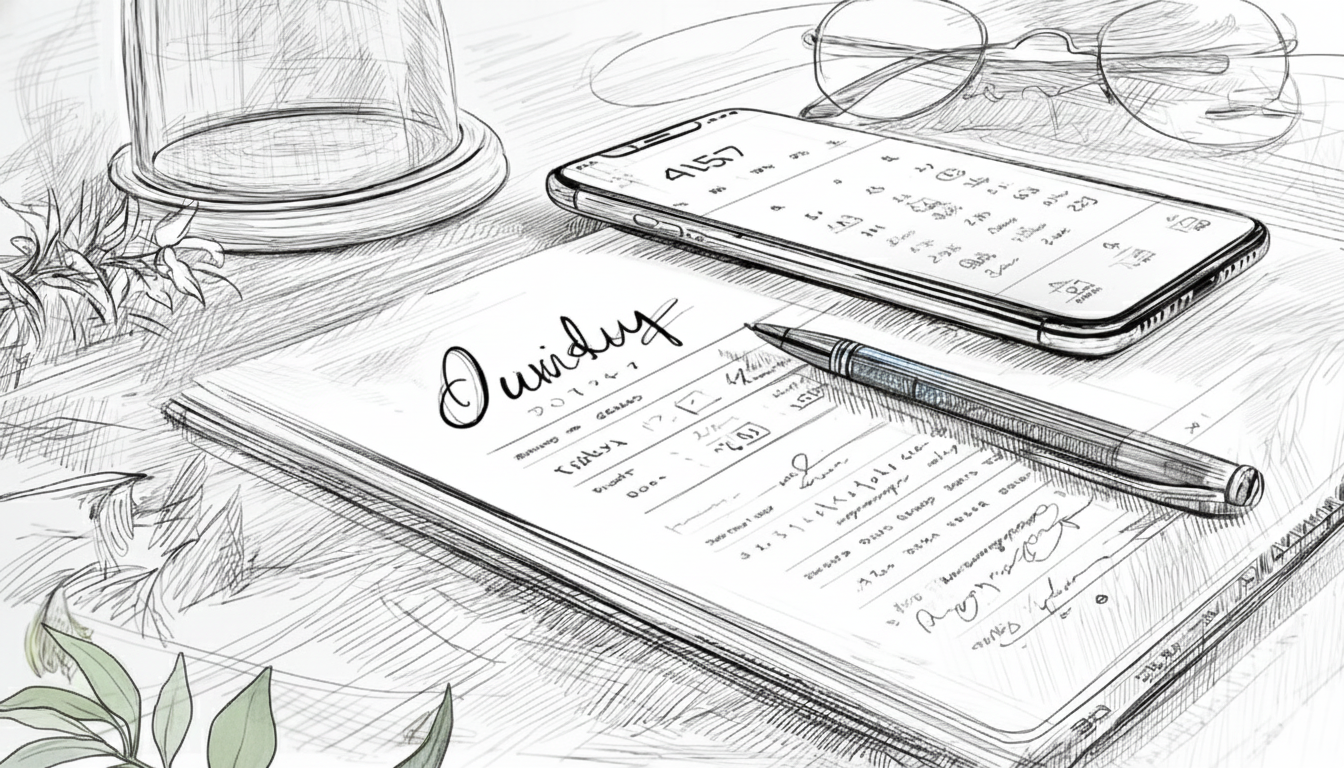
You likely can't tell your boss you're only working four hours today. But you can control what happens the rest of the day. Think of your eye stamina like a bank account. If you spend it all on work, you can’t afford to waste it on "junk light."
Use tracking apps to identify unnecessary strain, then add friction by deleting distraction apps or keeping devices out of the bedroom. Instead of checking notifications every five minutes, group admin tasks into specific windows to let your vision settle into a rhythm.
Want to make hard work feel rewarding again? Try Dopamine Detox
4. Move More to See Better
While sitting, your eye muscles are static. Movement is the antidote. Studies show that 1-2 hours of daily outdoor time is effective in slowing the progression of nearsightedness because natural light releases dopamine in the retina, preventing the eye from elongating.(9)(10)
While at work, aim to stand up every hour. Walk up a flight of stairs or do a few squats. This boosts blood circulation, which regulates nervous system function and aids in tear production.(11)
5. Fuel Your Vision
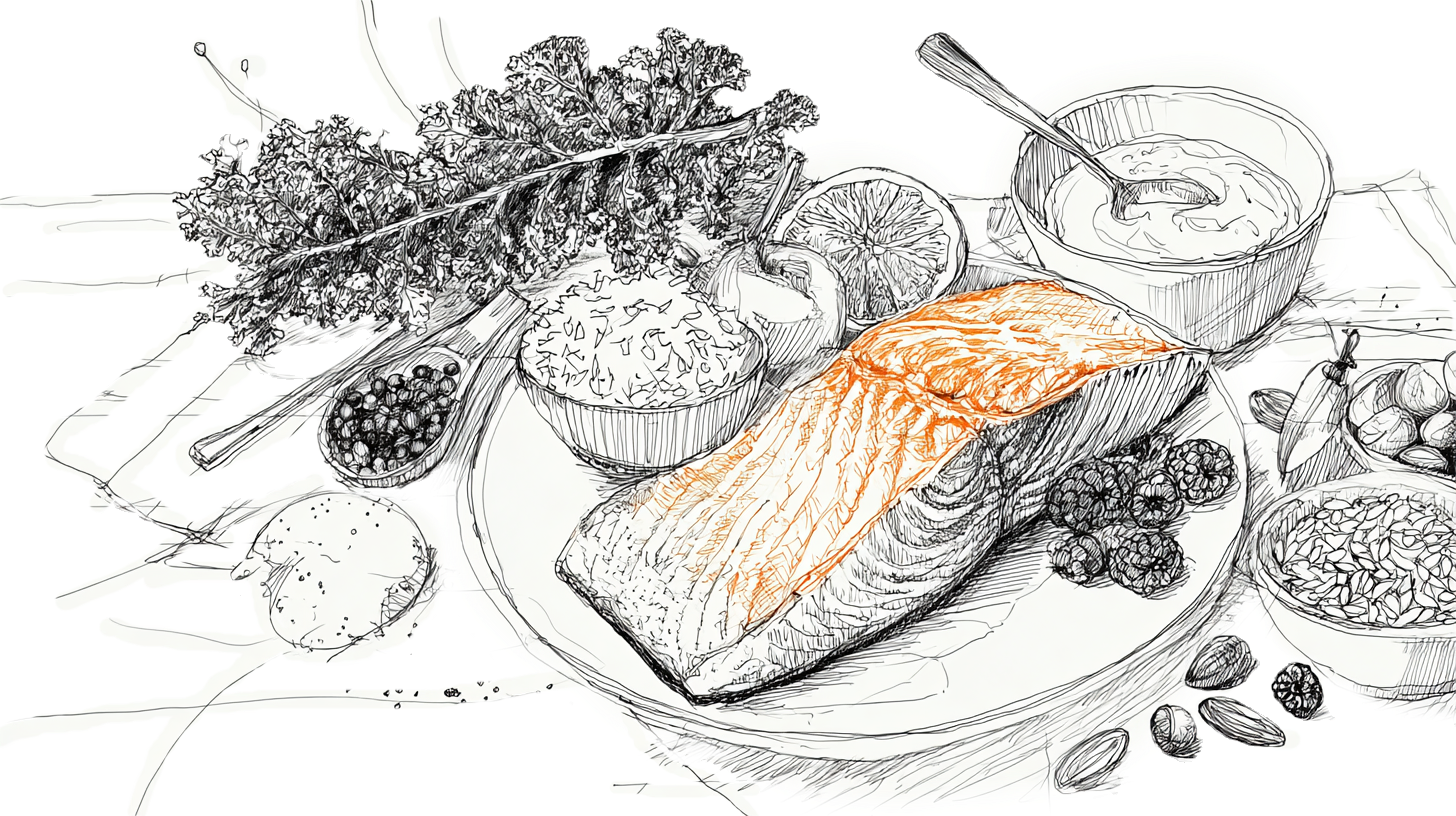
Your diet plays a massive role in how your eyes handle stress. To protect them against constant screen exposure, eat foods rich in Lutein and Zeaxanthin (like kale and spinach). They help filter harmful blue light. Consume generous amounts of Omega-3 fatty acids (salmon, walnuts, flaxseeds). Omega-3s help produce the anti-inflammatory oils that stabilize your tear film. Without this oil, your tears evaporate too quickly and make your eyes dry.
Learn More About The Power of Nutrition for Digital Eye Strain Relief
6. The Hydration Triad
Dryness is the enemy of clear vision, but eye drops alone aren't enough. Effective hydration requires a three-pronged approach: drink 8-10 glasses of water daily to fuel tear production, place a personal humidifier to counter the drying effects of AC, and use preservative-free artificial tears every 1-2 hours during heavy work sessions to keep the cornea lubricated.
Here's Your Eye Drop Dictionary: Lubricants, Redness-Relievers, and Which One Your Desk Needs
7. Master the "Power Blink"
Since your natural blink rate is suppressed during screen use, you need to make blinking a conscious practice. Take regular, short breaks and perform "power blinks." This means closing your eyelids gently and completely, holding for two seconds to allow the lids to touch, and then opening normally. This action helps spread the crucial oily layer of your tears and prevents evaporation.
So, What to Do if Myopia Happens?
Sometimes, despite all the "eye yoga" and ergonomic tweaks, genetics or years of intense focus win out. If you notice your vision slipping, the worst thing you can do is squinting. This is a recipe for vision deterioration and headaches.
Here is how to navigate your options.
1. Get Prescription Glasses
Most people often view glasses as a medical necessity or a style choice, but for professionals, they are a productivity tool.
According to a study in 2020, it was estimated that uncorrected vision resulted in lost economic productivity of $410.9 billion.(12) The logic is simple: if your brain has to dedicate extra energy just to decipher what is on the screen, you have less processing power for the actual work.
Why they are the best choice for screen users:
-
Unlike contacts, they don't require hygiene routines during your workday.
-
Modern lenses can be customized with anti-reflective (AR) coatings and blue light filters that help reduce glare and digital fatigue.
-
Glasses create a micro-environment that helps shield your eyes from air currents (like AC vents), preventing dryness better than contact lenses.
If you need them, get them. Think of prescription glasses like upgrading your monitor to 4K resolution - everything becomes sharper, faster, and easier to process.
2. Go for Contact Lenses
For some people, glasses may be inconvenient during exercise or outdoor time, and some users dislike the way they look or feel. For them, contact lenses offer freedom from frames. However, your blink rate drops significantly when looking at screens. Contact lenses rely on your tear film to stay soft. When you stop blinking, the lens dries out, acting like a sponge that sucks moisture from your eye. This can lead to irritation, redness, and fluctuating vision, forcing you to rely on rewetting drops.
While contacts are great for life away from the desk, if you wear them to work, follow the hydration rules strictly. Also, consider keeping a backup pair of glasses for when eye fatigue and dryness peak late in the day.
3. Surgical Options
If you find glasses and contacts inconvenient, you might consider removing glasses entirely through refractive surgery. This is not a "quick fix" but a medical decision to discuss with an ophthalmologist.
LASIK (Laser-Assisted in Situ Keratomileusis) is the most common refractive surgery, but it's not the only one. Your surgeon will determine the best fit based on your corneal thickness and prescription.
-
Standard/Femto-LASIK: The most common procedure. It involves creating a thin flap in the cornea and using a laser to reshape the tissue underneath. Recovery is typically quick, often within 24 hours.
-
PRK (Photorefractive Keratectomy): A "flapless" option where the top layer of the cornea is removed before reshaping. It is often recommended for people with thinner corneas or those in contact sports, though recovery takes longer than LASIK.
-
SMILE (Small Incision Lenticule Extraction): A newer, minimally invasive technique. A laser creates a tiny lens-shaped piece of tissue inside the cornea, which is removed through a small incision. It is designed to be less disruptive to the corneal nerves.
Surgery is a valid option for many, but it is not required to manage myopia. Your goal is clear vision whether that comes from a laser or a stylish pair of frames is up to you.
The Long Game: Protecting Your Vision
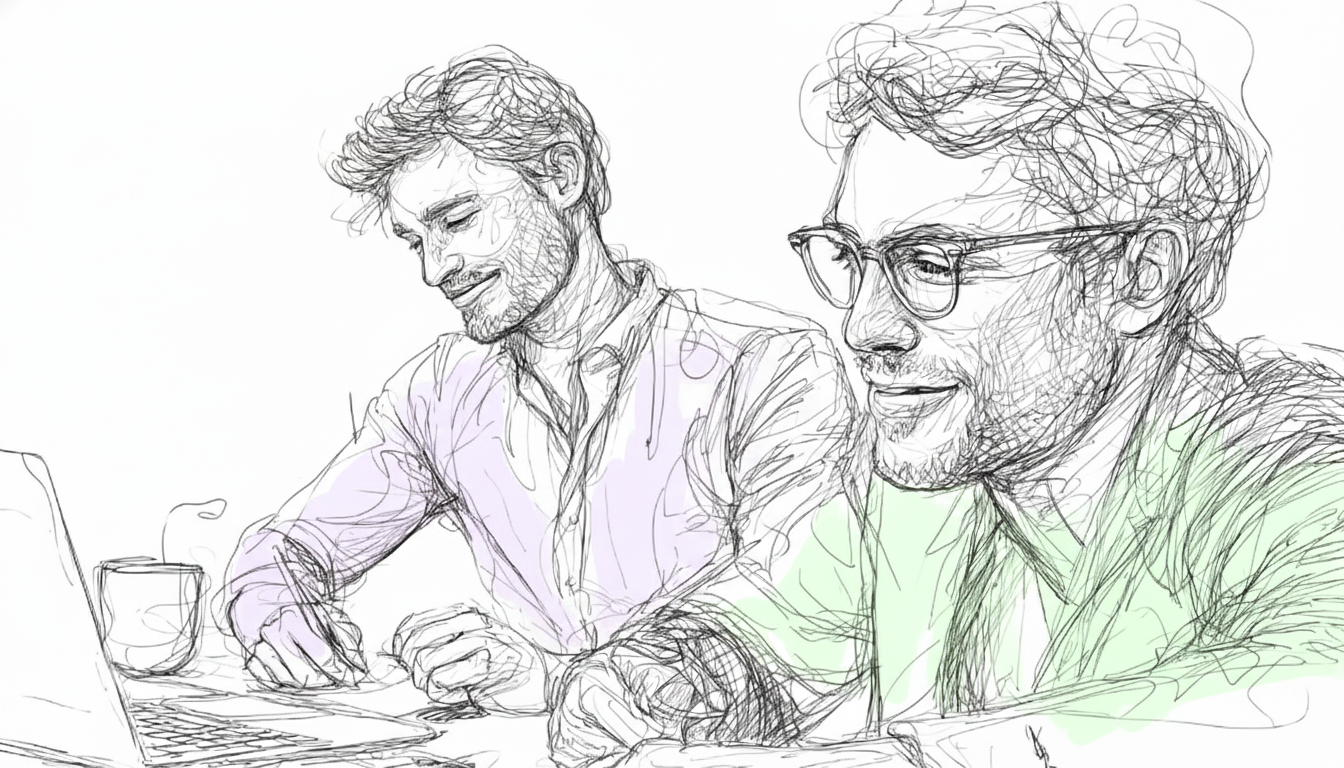
Three months after their conversation, the scene in the living room looked different. Sebastian and Brian were still on their laptops, but the vibe had shifted.
Brian’s desk now had a small humidifier. Every twenty minutes, a soft chime sounded from his phone, prompting him to look out the window at the streetlights down the block. He wasn't just grinding through the pain anymore, he was managing it.
"Headaches gone?" Sebastian asked, looking up from his blueprints.
"Mostly," Brian replied, taking a sip from his water bottle. "I still get tired, but that 'sand in the eyes' feeling? It’s gone. And I went for a check-up. My vision is stable, so no glasses yet."
Sebastian smiled. "Good. Keep it that way."
The Takeaway
For high-performers like Sebastian and Brian, and you, screens are the tools of the trade. You cannot escape them, but you don't have to let them dictate the health of your eyes.
The narrative that "bad eyes" are a consequence of hard work is false. You don't have to choose between your career and your vision. By following simple habits like desk ergonomics, conscious blinking, and eye exercises, you can have both.
Ready to start? Look away from this screen right now. Find an object at the far end of the room or out a window. Focus on it clearly for 20 seconds, and blink slowly five times.
There. You just took the first step.
**References & Further Reading **
(1): Desai, D. T. et al (2025). Current and emerging strategies for myopia control: A narrative review of optical, pharmacological, behavioural, and adjunctive therapies. Eye, 39(14), 2635–2644.
(2): Chen, S. et al (2021). Lowering intraocular pressure: A potential approach for controlling high myopia progression. Investigative Ophthalmology & Visual Science, 62(14), 17.
(3): Bullimore, M. A. et al (2023). IMI—Onset and progression of myopia in young adults. Investigative Ophthalmology & Visual Science, 64(6), 2.
(4): Jain, S. K. et al (2022). Myopia, its prevalence, current therapeutic strategy and recent developments: A review. Indian Journal of Ophthalmology, 70(8), 2788–2799.
(5): Agarkar, S. et al (2022). Digital eye strain - A comprehensive review. Ophthalmology and Therapy, 11(5), 1655–1680.
(6): Gurnani, B., & Kaur, K. (2024). Astigmatism. StatPearls
(7): Shah, M., Natarajan, S. B., & Ahmad, N. (2025). Association of excessive screen time exposure with ocular changes leading to astigmatism in children. PLoS ONE, 20(4).
(8): Altowairqi, B. et al (2019). The correlation between keratoconus and eye rubbing: A review. International Journal of Ophthalmology, 12(11), 1775–1781.
(9): He, X. et al (2017). Time spent in outdoor activities in relation to myopia prevention and control: A meta-analysis and systematic review. Acta Ophthalmologica, 95(6), 551–566.
(10): Zhang, J., & Deng, G. (2019). Protective effects of increased outdoor time against myopia: A review. Journal of International Medical Research, 48(3).
(11): Aracil-Marco, A. et al (2023). Effects of physical activity/exercise on tear film characteristics and dry eye associated symptoms: A literature review. Contact Lens & Anterior Eye, 46(4), 101854.
(12): Deloitte Consulting AG. (2022). Investment in eye health to prevent sight loss (Final Report). Roche.