
The 10-Minute Routine To Refresh Your Vision And Get Back In The Game
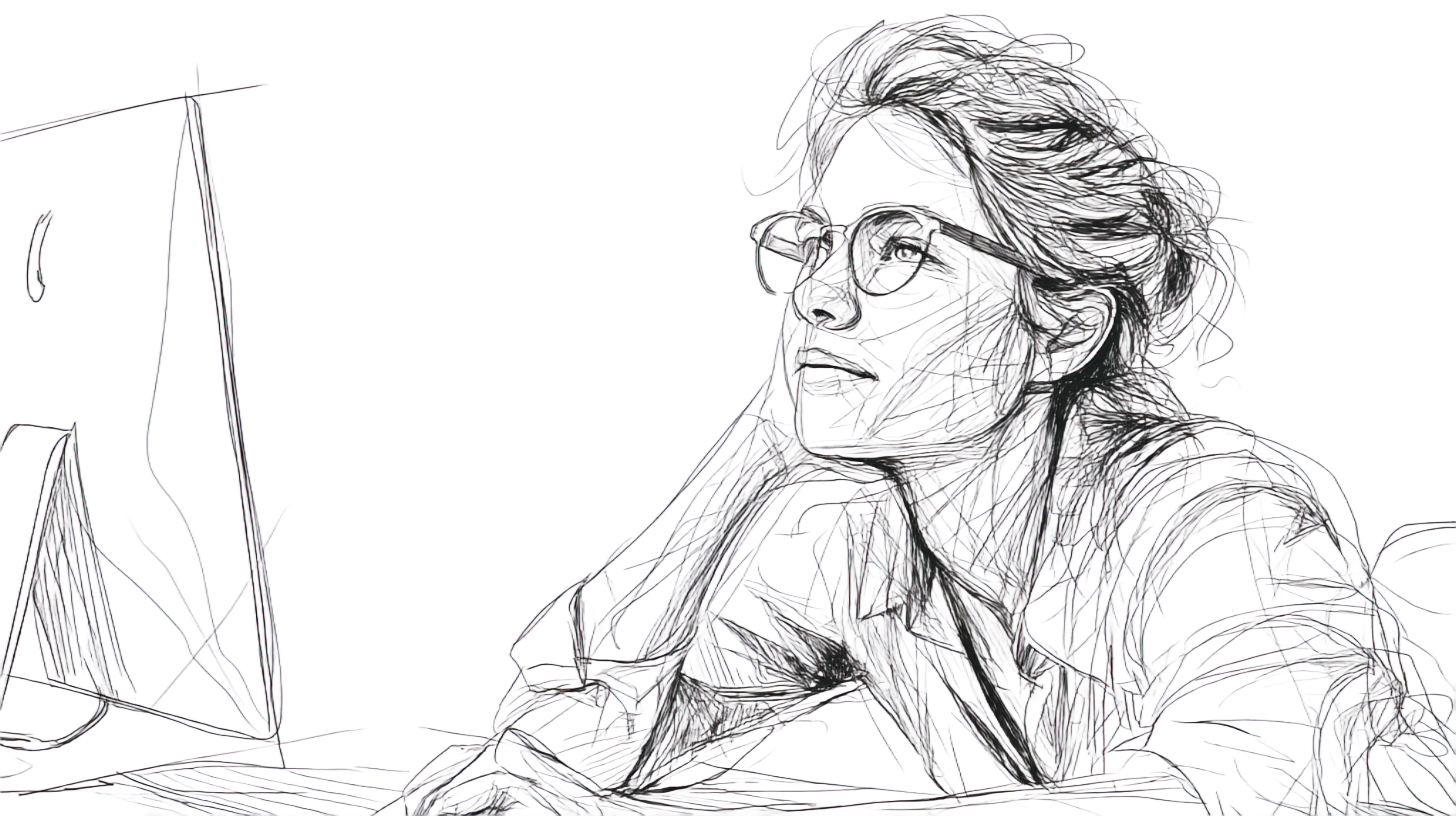
Your eyes work hard all day, and just like the rest of your body, they need a proper workout. The good news? You don't need a gym membership to give them what they need.
You know the feeling all too well: that intense eye fatigue after a long video call or that familiar headache and neck tension after a long writing session. Maybe you've even experienced blurred vision or a surprising wave of nausea from staring at a spreadsheet for too long. These aren't random aches and pains; they're direct symptoms of computer vision syndrome.

The reality is, our eyes aren't designed for the relentless, close-up focus that modern work demands. Think about it: our ancestors scanned horizons, tracked moving prey, and shifted their gaze constantly. Now? We fixate on a brightly lit rectangle for hours on end. This static focus can lead to eye strain, blurred vision, and even contribute to "tech neck" from poor posture.
But what if you could hit a refresh button for your vision, even when time is tight? You can.
This isn't about lengthy yoga sessions or complicated routines. It's about a high-impact, low-time-commitment solution: a 10-minute vision refresh designed to be your secret weapon against screen fatigue.
Why Eye Exercises?
Most of us understand the value of stretching after sitting at a desk for hours, but what about our eyes? Staring at screens requires constant near-focus, with little variance in distance or activity. Over time, this can lead to symptoms like:
-
Eyestrain
-
Vision loss
-
Myopia
-
Headaches
-
Dry or watery eyes
-
Blurred or double vision
-
Trouble refocusing on distant objects
Many of these symptoms arise because the eye's focusing muscles (responsible for adjusting the lens, called accommodation) and the muscles coordinating both eyes become "locked" in one position. This is akin to holding a dumbbell with your arm bent all day; fatigue, discomfort, and diminished performance are inevitable.
Eye exercises introduce movement and variety, relieving muscle tension, increasing blood flow, and encouraging blinking, all of which are vital for ocular health.
The 10-Minute Vision Refresh: Your Step-by-Step Guide
This routine combines several powerful techniques into an easy-to-follow sequence. Each step is designed to target different aspects of eye fatigue, from muscle strain to dryness, and even integrate a little posture relief.
Step 1: The Warm-Up – Gentle Blinks (1 minute)
Start by simply blinking. Often, when we're deep in concentration, our blink rate drops dramatically, leading to dry, gritty eyes. This exercise is great for combating eye dryness.
-
Sit straight. Keep your shoulders relaxed, neck straight, and look ahead.
-
Consciously blink your eyes very fast for 10-15 seconds.
-
Gently allow your eyes to close and settle for a few moments.
Step 2: Eye Rolls (1 minute)
Eye rolling is a very effective exercise for visual strain. It helps lubricate the eyes and stretches the extraocular muscles, which get stiff from constant, static focus.
-
Look to your right, then slowly roll your eyes up toward the ceiling.
-
Continue rolling them down to the left, and then down toward the floor.
-
Slowly trace a full circle, making sure to do so for 30 seconds clockwise and 30 seconds counter-clockwise.
Step 3: Near-Far Focus Shift (3 minutes)
This exercise is like a mini-workout for your focusing muscles. It’s excellent for combating blurred vision and improving your eyes' ability to adjust quickly.
-
Hold your thumb about 6 inches (15 cm) from your face. Focus on it clearly for 10-15 seconds.
-
Shift your gaze to an object 10-20 feet (3-6 meters) away (like a picture on the wall or a tree outside your window). Focus on it for 10-15 seconds.
-
Shift your gaze to something even further away, if possible, for 10-15 seconds.
-
Repeat this near-to-far and far-to-near sequence for about 3 minutes.
Step 4: Palming for Deep Relaxation (3 minutes)
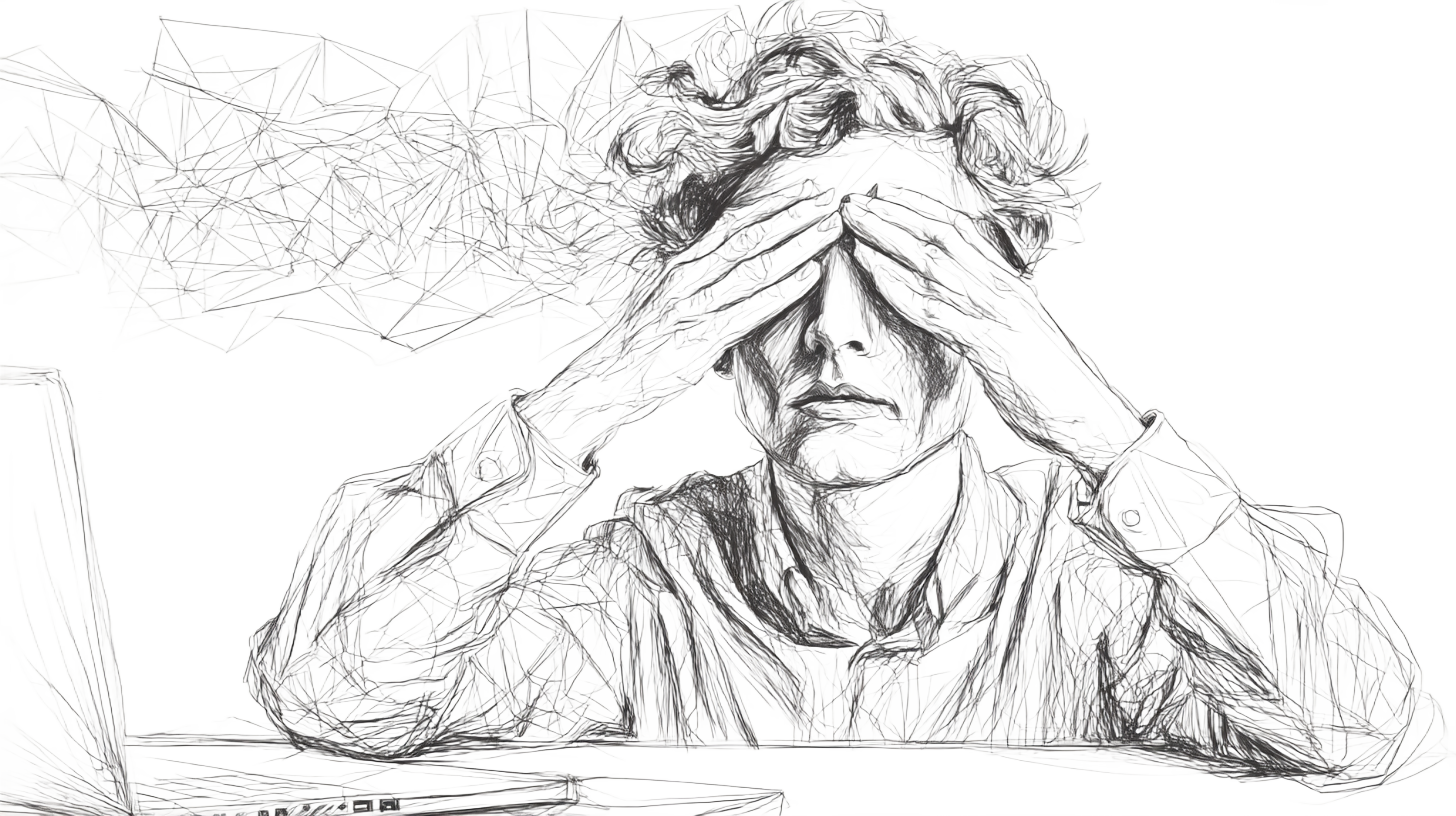
Palming is an ancient technique that soothes tired eyes by blocking out light and providing gentle warmth.
-
Rub your palms together briskly until they feel warm.
-
Gently cup your warm palms over your closed eyes, ensuring no light seeps in. Avoid pressing on your eyeballs.
-
Breathe deeply and relax. Imagine the darkness soothing your eyes and mind.
-
Stay in this position for 3 minutes.
Step 5: Gentle Neck and Shoulder Stretch (2 minutes)
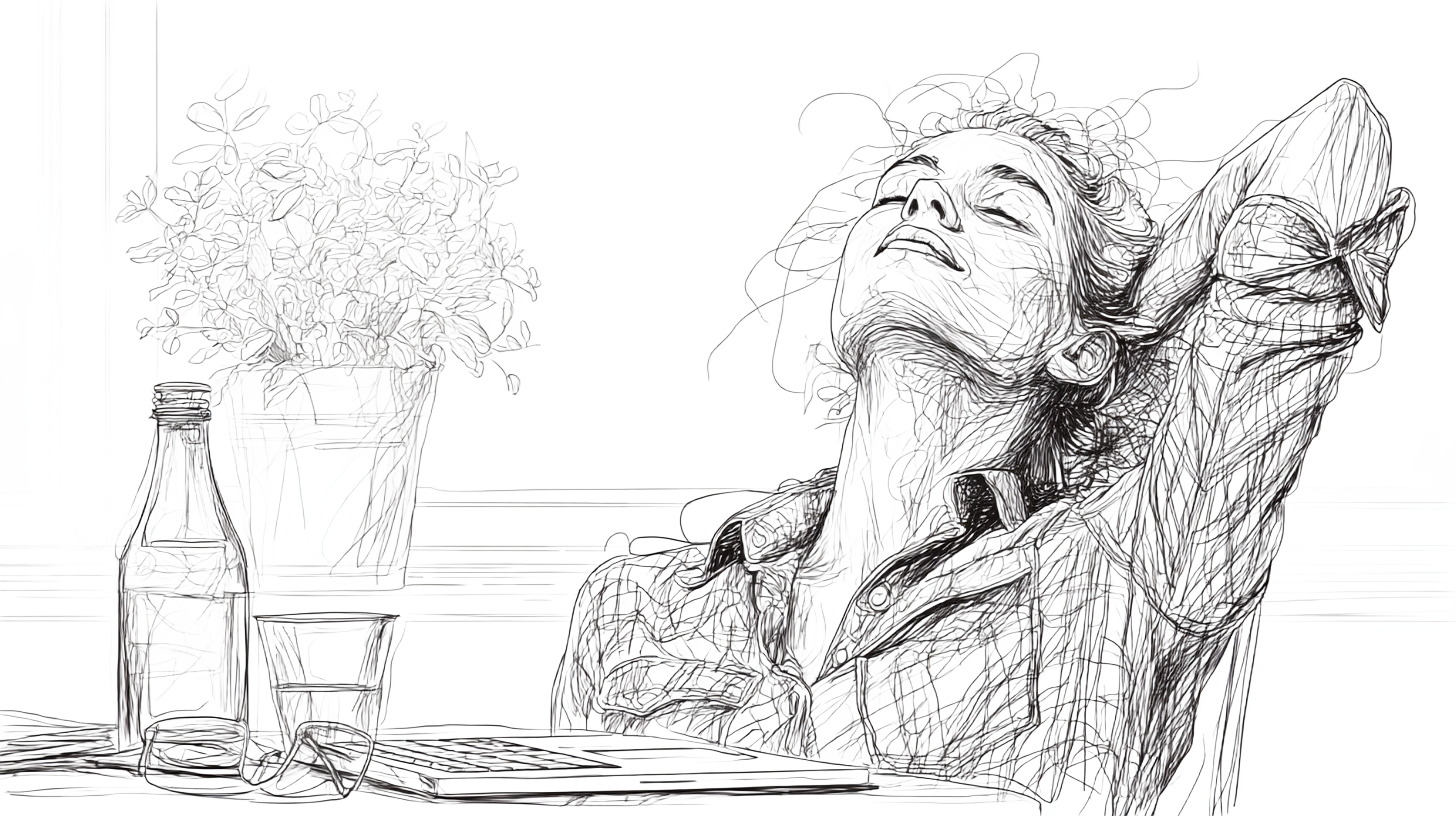
Because our eyes and neck are so interconnected, a quick stretch here can work wonders for that "tech neck" feeling.
-
Gently drop your chin towards your chest, feeling a stretch in the back of your neck. Hold for 15 seconds.
-
Slowly tilt your head to the right, bringing your right ear towards your right shoulder. Feel the stretch along the left side of your neck. Hold for 15 seconds.
-
Repeat on the other side.
-
Finish by rolling your shoulders back a few times.
Why This Routine Works
This routine isn't just a collection of random exercises; it's based on how our eyes function and what prolonged screen time disrupts.
-
Muscle Flexibility: The eye muscles (ciliary muscles for focusing, and extraocular muscles for movement) can become rigid from constant near-focus. Exercises like eye rolls and near-far shifts help restore their natural flexibility, reducing strain.
-
Lubrication: Conscious blinking and palming stimulate tear production and spread the tear film evenly, combating dryness that leads to that dry, gritty feeling.
-
Reduced Accommodation Spasm: Sustained near-focus can lead to an "accommodation spasm," where the eye's focusing muscle struggles to relax when you look away. The near-far shifts directly address this.
-
Improved Posture: By including a neck stretch, we acknowledge the interconnectedness of our visual system and our musculoskeletal system. Releasing tension in the neck can indirectly relieve pressure that contributes to headaches and eye discomfort.
Getting Started: Simple Steps for Lasting Results
You've already learned that eye exercises are a powerful way to combat digital eye strain. Now it's time to put that knowledge into action. You don’t need to overhaul your entire workday to see a difference. Just small, consistent changes are all it takes.
Think of these steps as micro-habits, quick, easy additions to your routine that can provide lasting relief and improve your long-term ocular health.
-
Set Reminders: Use apps or calendar alerts to trigger eye breaks every 20-30 minutes.
-
Incorporate Eye Yoga: Make "blinking sessions" or near-far focus part of your meeting breaks.
-
Optimize Your Environment: Reduce glare, ensure proper lighting, and adjust monitor height to minimize strain.
-
Listen to Your Body: Don’t ignore sore, blurry, or dry eyes – a few minutes of exercise can make all the difference.
Conclusion
Now, you can easily schedule a 10-minute vision refresh into your daily routine, perhaps before lunch or during a short break between tasks. You'll notice a sense of relief as that eye strain and pressure fade away. Instead of battling blurred vision and headaches, your eyes feel clearer and more comfortable, allowing you to focus on your work throughout the day.
This isn't just about avoiding discomfort; it's about giving your most valuable tools – your eyes, the care they deserve so you can work and live without the burden of digital fatigue.
References:
-
Zhuang, A., & Sitepu, B. R. E. (2023). Effect of eye exercises on computer vision syndrome among medical students of Universitas Sumatera Utara, Indonesia. International Journal of Integrated Health Sciences, 11(1). https://www.researchgate.net/publication/371548916
-
Wolffsohn, J. S., et al. (2021). The effects of screen time and visual display terminal use on ocular health: A systematic review and meta-analysis. The Ocular Surface. https://www.sciencedirect.com/science/article/pii/S1542012423000307
-
Rawstron, J. A., Burley, C. D., & Elder, M. J. (2005). A systematic review of the applicability and efficacy of eye exercises. Journal of Pediatric Ophthalmology & Strabismus, 42(2), 82–88. https://pubmed.ncbi.nlm.nih.gov/15825744/