How Screen Time Impacts Your Brain's Vision Hub (and How to Recharge It)
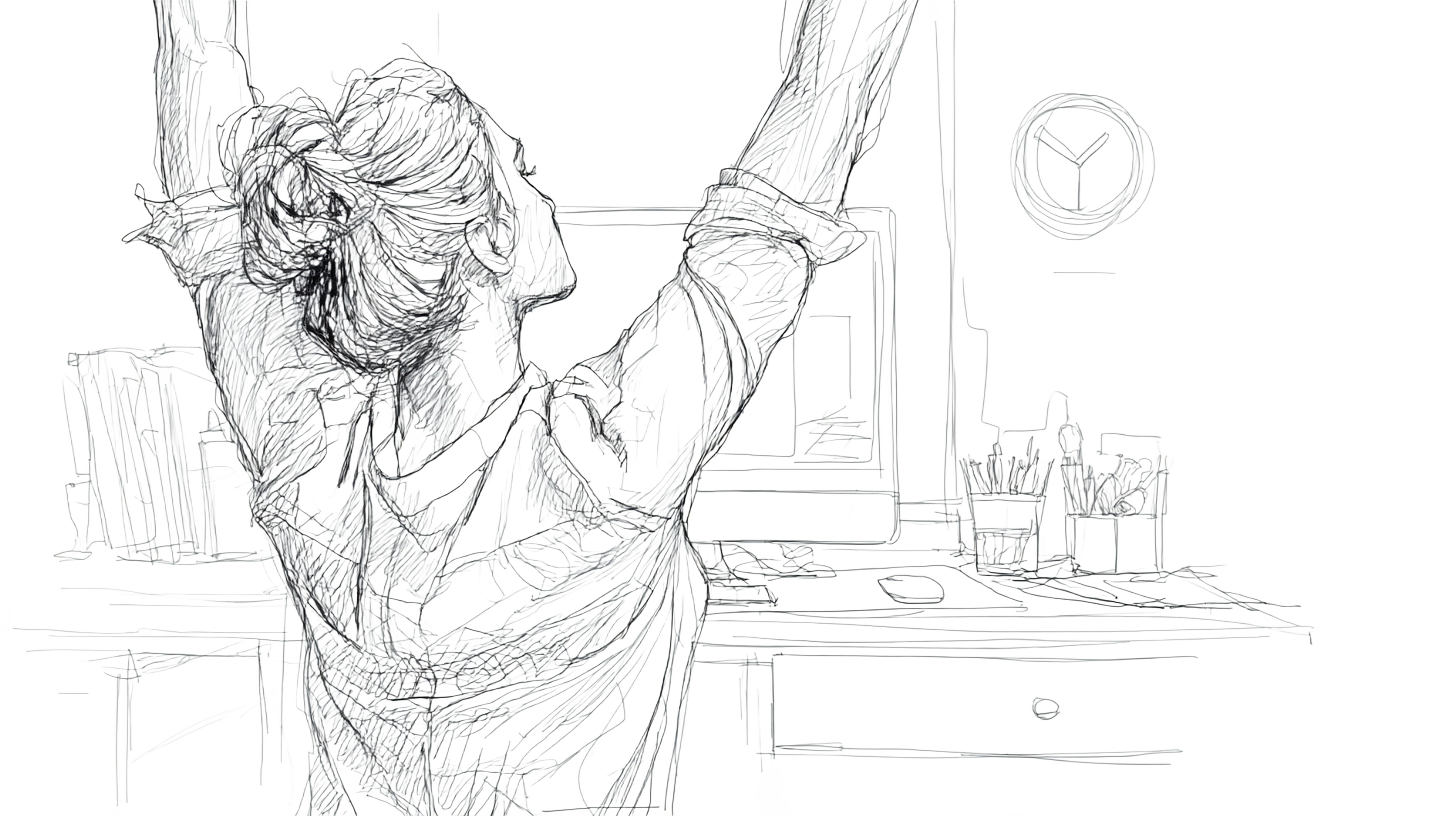
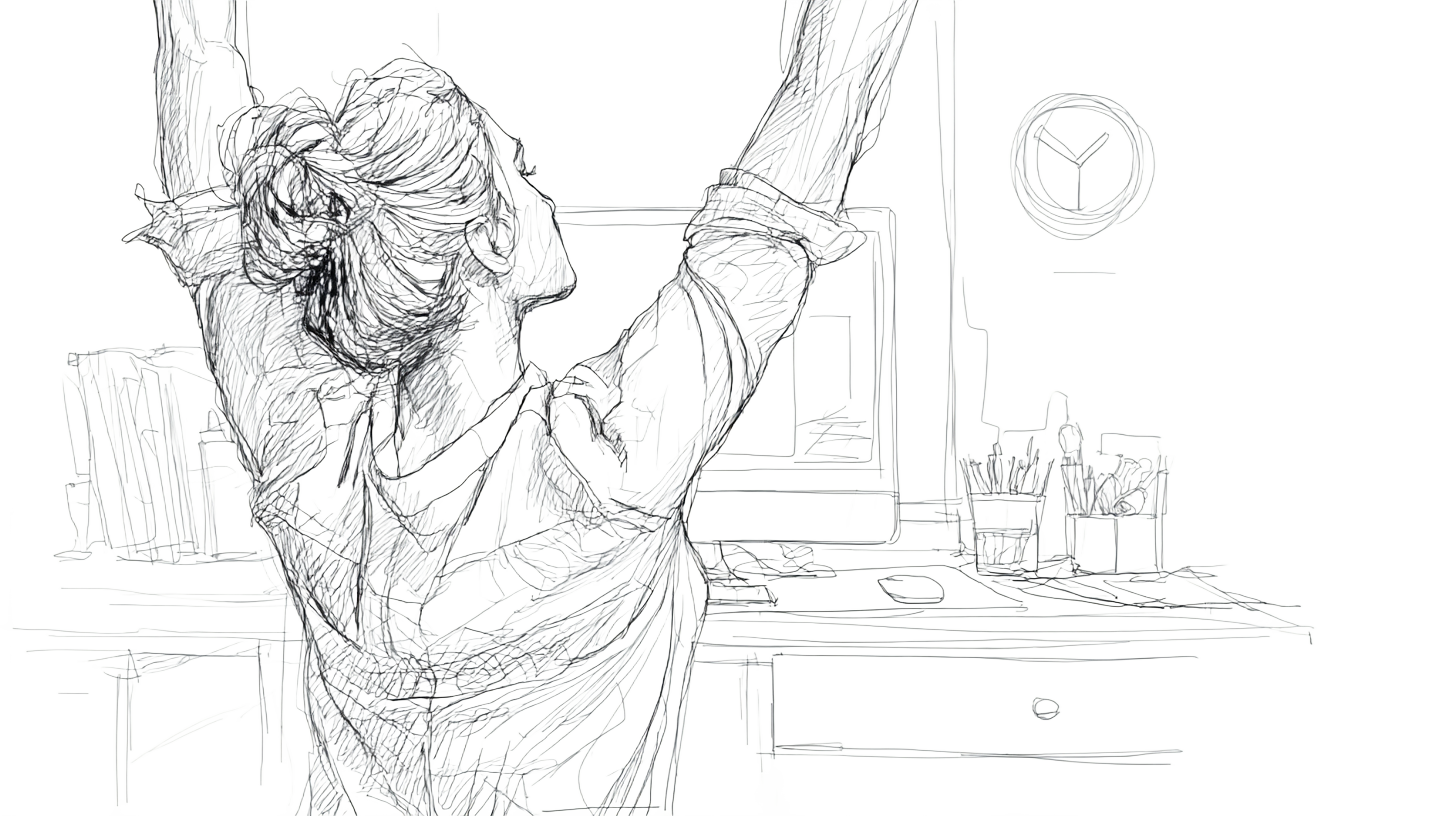
As Emilia, a med student, stared at her laptop screen at 4 PM, the words of her report began to swim together. She rubbed her eyes again for the nth time, but this feeling of "tired eyes" was more than just a temporary annoyance.
Emilia had been noticing a persistent mental fog and difficulty concentrating, even when she wasn't on her laptop. She thought it was burnout due to long working hours at the hospital, but the real culprit was something she had never heard of: screen-induced foveal dysfunction, a physiological change in her brain's vision hub caused by prolonged screen time.
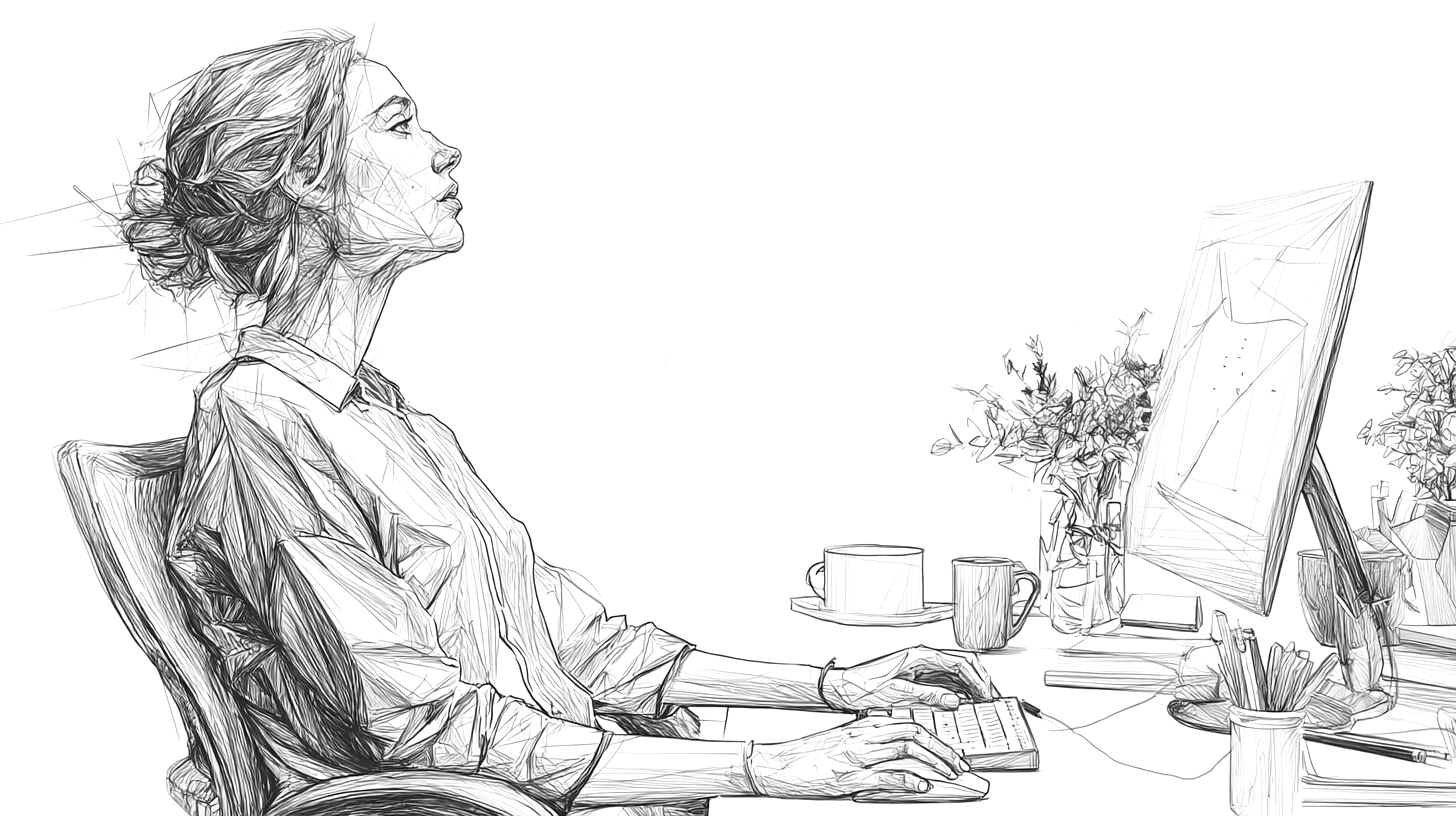
For a long time, the conversation around screen time has focused on just eye strain, headaches, and dry eyes. But what if the more significant impact is happening deeper, at the very core of how your brain processes visual information?
The evidence suggests that prolonged screen use doesn't just tire your eyes; it overstimulates and disrupts the most critical part of your visual system, leading to measurable cognitive and mental health symptoms.
So, what is the fovea, and why is it so important for cognitive performance?
Your Brain's Vision Gateway: The Fovea
The fovea is a small, specialized area within your retina that is crucial for sharp, detailed central vision.(1) Think of it as the high-definition lens of your eye. Its role is so vital that it acts as the gateway to the brain’s visual processing center. Approximately half of all the nerve fibers in the optic nerve carry information from this tiny area, which makes up less than 1% of the retina. This high-fidelity signal is sent directly to your brain's visual cortex, where it's interpreted.
The Eye-Brain Connection and Screen Use
When the fovea is overstimulated by screens, its function can be disrupted leading to a number of difficulties, including:
-
Decreased visual acuity (difficulty seeing fine details)
-
Blurred vision
-
Central scotomas (blind spots in the central visual field)
-
Metamorphopsia (distorted vision, where straight lines appear wavy)
-
Color vision defects
-
Photophobia (sensitivity to light)
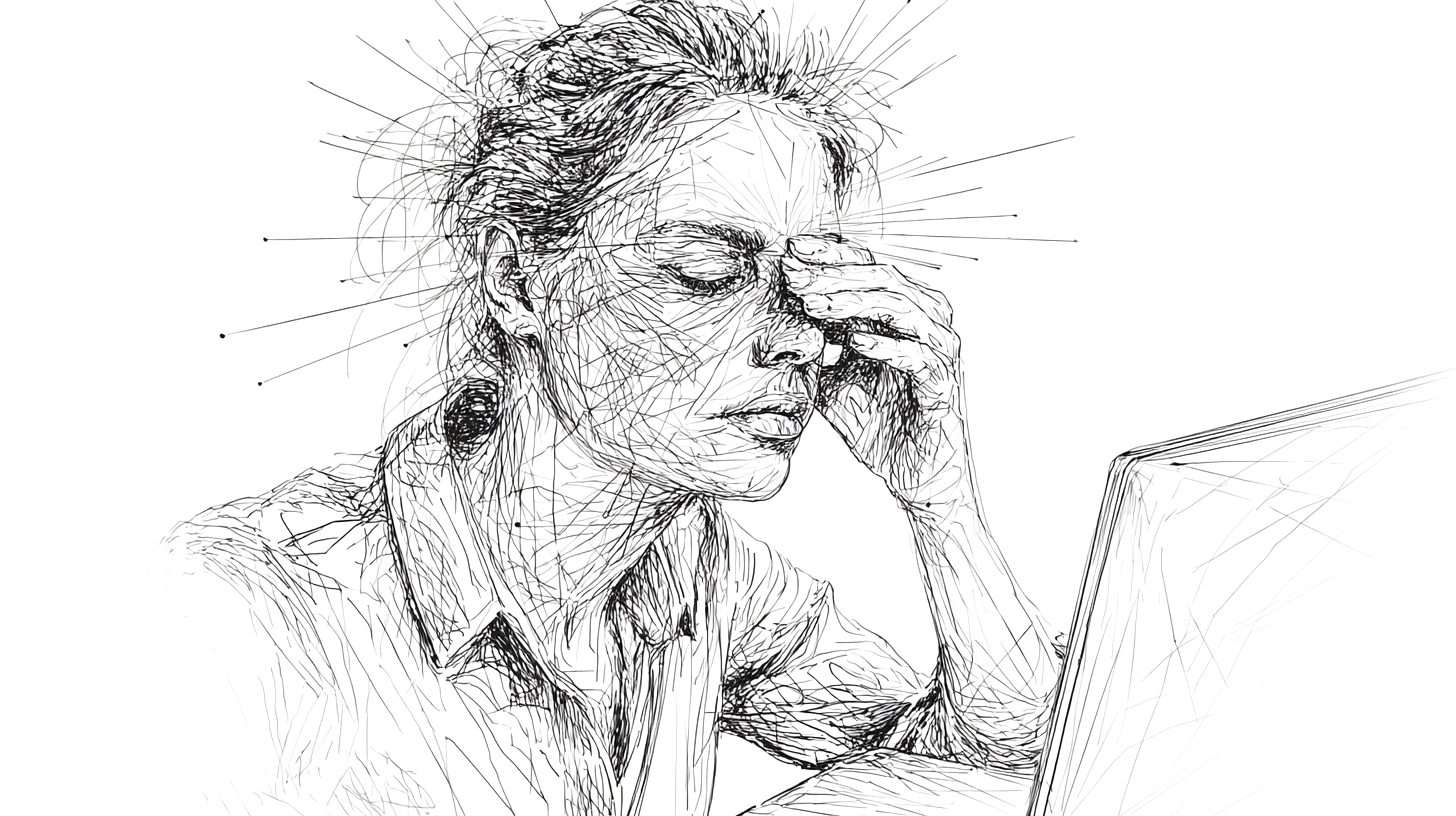
But the impact doesn’t stop at the eyes. Since the fovea sends most of the eye’s visual information to the brain, its dysfunction can also affect how the brain processes information.
Studies have found that nearly half of people with unexplained vision problems actually had hidden foveal dysfunction, sometimes without any visible eye damage, showing why special tests are so important.[5]
How Foveal Dysfunction Impacts Your Brain
When the fovea struggles to provide a clear, stable image, the brain must work harder to fill in the gaps. This overcompensation leads to a state of cognitive exhaustion and a range of cognitive symptoms.
Mental Fog and Cognitive Fatigue
This is one of the most commonly reported symptoms. Studies show a significant link between prolonged screen time and mental fatigue and brain fog. The constant barrage of new information and the intense cognitive effort required by screen-related tasks can lead to cognitive exhaustion. The brain's networks responsible for attention and executive functions become less efficient, a direct result of the diminished connection between key brain regions.(2)
Impaired Attention Span
The fast-paced, auto-playing nature of digital content trains the brain to expect constant novelty and instant gratification. This "dopamine loop" weakens your ability to focus on slower, more demanding tasks like reading, studying, or engaging in deep conversations. Research suggests this can impact problem-solving and long-term memory consolidation.(3)
Reduced Reading Comprehension
As the fovea struggles to provide a sharp, stable image and the brain becomes fatigued, the process of reading on a screen becomes less efficient. The constant need to refocus and the cognitive load of a disrupted visual signal can hinder the brain's ability to comprehend and retain information. Research shows that heavy screen use, especially in young people, is linked to weaker connections in brain regions responsible for language, reading, and focus.(3)
The Good News: It's Reversible
While screen use can disrupt your visual system, the effects are not necessarily permanent. A 2023 study published in Clinical Ophthalmology showed remarkable results. Researchers measured the electrical activity of the fovea in a group of medical students experiencing symptoms of Computer Vision Syndrome (CVS) and found a significant reduction in their foveal responses.(4)
The students were then asked to reduce their screen time to one hour or less per day for four weeks. After just one month, they showed significant improvements in their foveal responses.(4) This suggests that your brain and visual system have an amazing capacity to heal and restore these critical connections.
Your Action Plan for a Sharper Brain
To protect your eyes and brain from the effects of too much screen time, try putting these practical, actionable tips into practice.
1. Take a Digital Break
Inspired by a study that showed significant improvements in foveal health after a month of reduced screen time, this tip is about being intentional with your digital life. The goal isn't to quit screens forever, but to consciously limit non-essential screen use to one hour or less per day.
How to do it:
-
Try deleting social media apps for a week, replacing your evening Netflix binge with a walk or a podcast, or setting a timer for entertainment screen time.
-
Going analog by printing articles, taking notes by hand, and reading physical books also gives your fovea a much-needed rest and engages your brain in different ways.
2. Practice Eye Exercises
Eye exercises can be a great way to alleviate eye strain and improve your eye's focusing ability after prolonged screen use. They work the muscles around your eyes, helping reduce fatigue.
How to do it:
-
Near and Far Focus: Hold your thumb 10 inches from your face and focus on it for 15 seconds. Then, shift your gaze to an object 20 feet away for 15 seconds. Repeat this 5 times.
-
The Figure Eight: Imagine a large figure eight on the wall about 10 feet in front of you. Without moving your head, slowly trace the imaginary shape with your eyes for 30 seconds, then switch directions.
-
Palming: Rub your palms together to generate warmth. Close your eyes and gently cup your warm palms over them for about one minute. This simple relaxation technique helps relieve eye fatigue.
3. Get Moving and Go Outdoors
While the fovea can get overstimulated from screens, your entire body and brain benefit from physical activity and exposure to natural light. This practice provides a crucial break from the focus of screens, improving blood flow and reducing both mental and physical fatigue.
How to do it:
-
Don't just sit during your breaks. Stand up, stretch, and move around.
-
Whenever possible, take your calls or meetings on a walk.
-
Use your work break to step outside and look at the horizon. Giving your eyes a chance to focus on a distant object can help relax the eye muscles.
4. Go Big (Screen)
When possible, shift from small, handheld devices like smartphones to larger screens like desktop computers or laptops. Why? Smaller screens often lead to closer viewing distances, tiny fonts, and less ideal ergonomics, all of which can strain your eyes more.
How to do it:
-
When consuming content or doing tasks that don't require mobility, choose a larger screen like a desktop monitor or a TV.
-
Avoid watching videos or online lectures on small screens; use a TV if available and keep a proper distance.
-
Ensure your larger screen is positioned at a proper viewing distance (20-28 inches away) to minimize strain and help your fovea stay in a more natural, rested state.
Conclusion
The connection between our eyes and our brains is powerful. While the demands of modern life mean that screens are often unavoidable, you have the power to mitigate the risks. By understanding the science behind screen-induced foveal dysfunction and taking proactive steps to protect your brain's vision hub, you can ensure your mind remains sharp, focused, and ready for whatever challenges lie ahead.
For Emilia, reducing screen time wasn’t about giving up her job. It was about giving her brain’s vision hub a chance to reset. The same is true for all of us
References
(1): Rehman, I., Mahabadi, N., Motlagh, M., & Ali, T. (2023). Anatomy, Head and Neck, Eye Fovea. In StatPearls. NCBI. https://www.ncbi.nlm.nih.gov/books/NBK482301/
(2): Nakshine, V. S., Thute, P., Khatib, M. N., & Sarkar, B. (2022). Increased Screen Time as a Cause of Declining Physical, Psychological Health, and Sleep Patterns: A Literary Review. Cureus, 14(10), e30051. https://pmc.ncbi.nlm.nih.gov/articles/PMC9638701/
(4): Iqbal, M., Soliman, A., Ibrahim, O., & Gad, A. (2023). Analysis of the Outcomes of the Screen-Time Reduction in Computer Vision Syndrome: A Cohort Comparative Study. Clinical Ophthalmology, 17, 123–134. https://pubmed.ncbi.nlm.nih.gov/36644605/
(3): Eliana, N. (2019). Effects of Excessive Screen Time on Neurodevelopment, Learning, Memory, Mental Health, and Neurodegeneration: a Scoping Review. ResearchGate. https://www.researchgate.net/profile/Eliana-Neophytou/publication/337961200