
Is Your Makeup Causing Dry Eyes At Work?
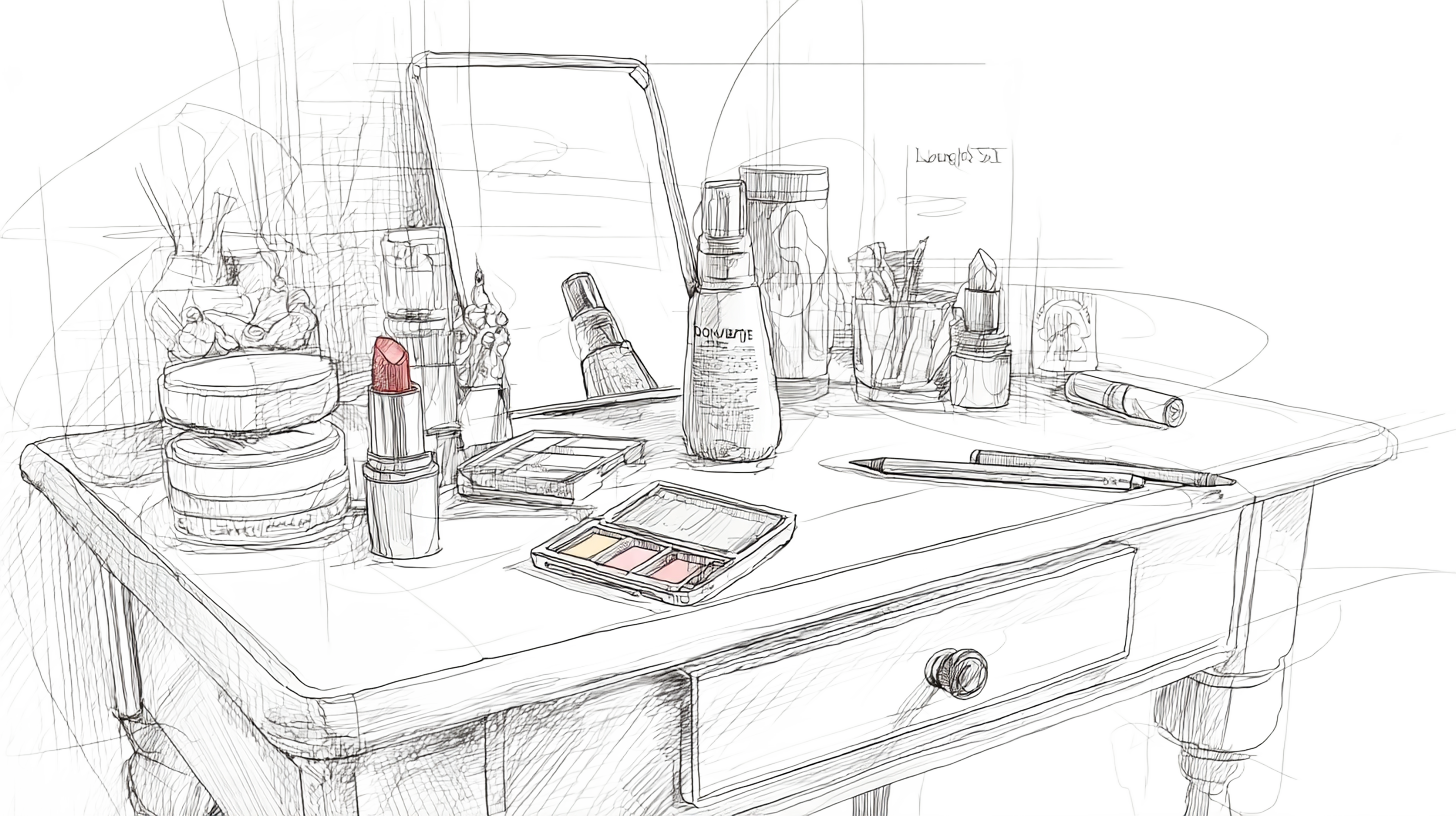
Chloe is a 30-year-old creative consultant. Her job is a demanding sprint, and looking polished for meetings is key to her confidence. So, Chloe makes sure her skincare and makeup routine is meticulous.
Every morning, Chloe begins her CTM (Cleanse, Tone, Moisturize) skincare routine. She uses a foaming cleanser with active ingredients washing right over her lash line, followed by a hydrating toner for that 'fresh' feeling. Then, she applies a moisturizer followed by a tinted sunscreen to even out her complexion. Next, comes the makeup. She dons a lip crayon, a soft shade of eyeshadow to make her eyes pop, and then applies a waterproof eyeliner to her waterline. She finishes her look with a volumizing, waterproof mascara for all-day wear.

By 9 AM, Chloe is polished and ready. She starts her work taking client calls, pitching ideas, and giving her team feedback on designs. Everything is working well… but by 2 PM, her eyes start burning and her vision becomes blurry. She squeezes some tear drops for relief but the stinging sensation won’t go away. So she is forced to take frequent breaks which affects her focus. At night, she does CTM again which includes applying a Retinol serum to her face before bed. Next morning, her skincare and makeup routine resumes.
Chloe doesn’t know yet but her symptoms suggest that her daily glam is contributing to the workplace discomfort.
How Cosmetics Affect Your Focus
Chloe’s struggle highlights a common interplay between two factors that millions face every day: prolonged screen time and daily cosmetic use.
The Role of the Meibomian Glands
Think of your eyelids as a delicate ecosystem. Along the rim of your lash line are tiny oil glands called Meibomian Glands. These glands release a special oil (the lipid layer) that forms the protective outer layer of your tear film, preventing your tears from evaporating quickly. When this system is healthy, your eyes feel lubricated. However, when those glands get blocked or irritated, the tear film breaks down, leaving your eyes feeling dry and inflamed.
So your dry eye symptoms are often aggravated by cosmetic chemicals causing or contributing to Meibomian Gland Dysfunction (MGD). (1)(2) Dry eye and MGD are usually caused by a combination of factors such as screen time, environment, health conditions (like hormonal changes or autoimmune issues), and, for some people, cosmetics. Not everyone who uses makeup or skincare will develop severe problems. But if you’re already noticing burning, grittiness, or needing drops often, especially if you already have dry eyes, wear contact lenses, or spend long hours on screens, your routine can absolutely be part of the puzzle.
How Skincare Ingredients Affect Eye Comfort
Skincare products can affect the delicate area around the eyes through chemical migration, a process where active ingredients travel across the skin and increase the risk of gland vulnerability due to their potential toxicity.
For example, Retinol. Studies have shown that topical anti-aging chemicals like Retinols can affect the oil-producing cells (acini) of the Meibomian Gland.(3) This can increase the risk of evaporative dry eye. While this outcome isn't guaranteed with standard cosmetic use, the constant ocular discomfort (if it occurs) can certainly hinder your ability to maintain focus.
Eye Makeup Practices That Disrupt Your Tear Film
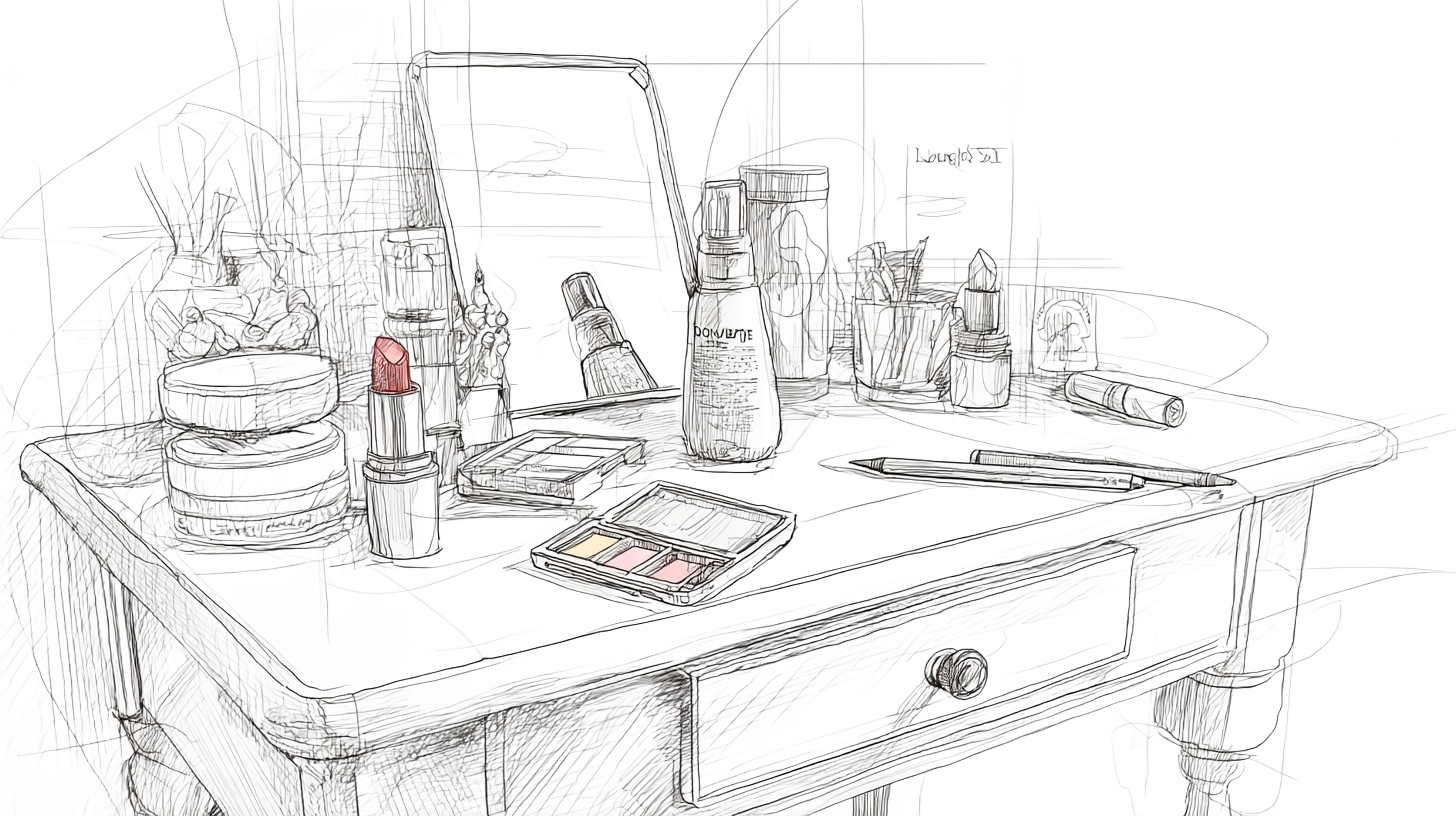
Eye makeup applied too close to the lash line can lead to two main problems: blockage of the oil-producing glands and increased tear film instability, which leads to dry eye symptoms.(4)
-
Waterline Eyeliner: The most studied practice is applying a waxy eyeliner directly to the waterline.(1) This application obstructs Meibomian Gland openings. Research confirms that this practice is indeed associated with a reduced Tear Film Break-Up Time (TFBUT).(5) When the TFBUT is reduced, your tears evaporate quickly. This causes blurry vision and eye fatigue that may force you to stop working.
-
Heavy Formulas and Pigments: Products like waterproof mascaras and loose eyeshadows increase the risk of irritation, but do not guarantee permanent damage. Waterproof formulas rely on heavy waxes that can transfer to the tear film and disrupt the natural oil layer.(6) Whereas loose pigments (such as mica) easily flake and migrate into the tear film, causing that gritty/sandy sensation in your eyes.(1)
The constant irritation worsens dry eye symptoms, which in turn lowers your focus at work. While these practices rarely cause permanent damage, the recurrent burning and blurriness often force professionals to take unplanned breaks, reduce screen time, and increase their reliance on expensive eye drops and clinical visits, which ultimately drains their productivity.
Note on Research:* Most of the research so far is small-scale and doesn’t tell us exactly how often cosmetic practices lead to major long-term problems, but it clearly shows that certain habits make the tear film less stable and the glands more vulnerable.*
What Happens When You Neglect The Temporary Discomfort
Consistently ignoring the source of irritation and dry eye symptoms increases your vulnerability to other eye health conditions. While these issues won't typically derail your career, they can certainly force unwanted breaks, necessitate medical care, and cause discomfort that takes your focus away from work.

1. Infection and Blockage: Blepharitis, Chalazion, and Styes
Cosmetic residue (especially poor makeup removal) is an important but often overlooked contributor to infections and blockages along the eyelid margin.
-
Blepharitis: This is chronic inflammation of the eyelids, often caused by the accumulation of makeup residue (like waxes and pigments) and the subsequent overgrowth of bacteria or mites (Demodex) around the lash line. Blepharitis leads to persistent itching, burning, and redness.(7)
-
Chalazion / Stye: The heavy waxes and oils found in long-wear and waterproof eyeliners and mascaras can clog the Meibomian Glands, resulting in a bump known as a Chalazion. They can also contribute to an acute infection of the lash follicle (Stye).(6)
These conditions result in painful swelling and inflammation that often require medical intervention. It makes screen work agonizing and compromises your ability to focus on tasks, leading to unplanned downtime.
2. Inflammation and Pain: Contact Dermatitis and Headaches
While dry eyes affect vision, the volatile chemicals in cosmetics affect the surrounding tissue, leading to pain.
-
Contact Dermatitis: Fragrances and certain preservatives (like formaldehyde-releasers or certain parabens) found in cleansers and moisturizers are known sensitizers. When they migrate or vaporize, they can trigger an allergic reaction called contact dermatitis on the delicate eyelid skin. This causes severe itching, scaling, and inflammation.(8)(9)
-
Stress Headaches from VOCs: The constant irritation from Volatile Organic Compounds (VOCs) and the inflammation caused by dermatitis lead to chronic ocular discomfort. This pain forces you to squint, blink excessively, and tense the muscles around your eyes and face. This sustained muscular tension is a direct trigger for tension-type headaches, making prolonged concentration on your work screen extremely difficult.(8)(9)
The Long-Term Stakes
If initial symptoms are ignored, the underlying inflammatory issues can become chronic. Consistent inflammation and blockages caused by Blepharitis or Chalazia, can eventually lead to irreversible changes, including scarring and atrophy (loss) of the Meibomian Glands over time.(10)(11)
Once the glands are scarred and dysfunctional, dry eye becomes severe and demands constant maintenance. For professionals, this shift means moving from manageable discomfort to a condition that carries increased healthcare burden and a greater likelihood of unplanned downtime (e.g., severe flare-ups requiring time off work for treatment).
The Solution: How To Apply & Remove Makeup Wisely
The good news is that you don't have to choose between your makeup and your comfort. By making a few adjustments, you can break the cycle of makeup and dry eyes.
Application Tips

-
**Respect the Waterline: **The single most effective change you can make is to apply eyeliner only to the skin above your upper lash line and below your lower lash line. Avoid the wet, pink part of the rim entirely. This keeps the Meibomian gland openings clear.
-
**Choose Your Products Wisely: **Opt for hypoallergenic, ophthalmologist-tested formulas. These are designed to be less irritating. Consider cream eyeshadows over powders to minimize fallout, and look for mascaras that are non-fiber-based.
-
Avoid Waterproofs: Non-waterproof formulas are generally less reliant on heavy waxes and oils, reducing the risk of gland clogging.
Removal Tips

Effective removal is just as important as application. Leaving makeup or skincare residue on your lids overnight is a major contributor to gland clogging and irritation.
-
**Dissolve First: **Use an oil-based eye makeup remover (or a micellar water) on a cotton pad. Press it gently against your closed eye for about 30 seconds to dissolve the makeup without harsh rubbing.
-
Cleanse Second: Follow up with a gentle, eye-safe cleanser (like diluted baby shampoo or a special eyelid cleanser) on your fingertips or a soft cloth. Carefully wash your lash line to remove any remaining residue.(12)
-
Never Sleep in Skincare Products: Even if you washed your face earlier in the night, double-check that no strong face creams or serums are sitting near your eyelids when your head hits the pillow.
Reclaiming Comfort and Focus
Chloe realized she was unintentionally contributing to her eye discomfort every day. By making a few informed changes, she was able to reduce her dry eye symptoms and reclaim productivity.
She stopped using the waterproof eyeliner on her waterline, switched her fragranced moisturizer to an ophthalmologist-tested, fragrance-free version, and made sure to apply Retinol products away from the delicate eye area.
The result? Chloe's reliance on artificial tears dropped to almost zero. Her eyes are now comfortable, and she can work long screen hours without the pain or distraction that previously slowed her down.

Your Path to Comfort
You don't need to sacrifice your professional image for the sake of your eye health. Like Chloe, you can take back control of your eye comfort. By reading labels, understanding the cosmetic chemistry behind your products, and choosing formulas designed for eye health, you transform your daily routine into an act of informed self-care.
Your eyes work hard for you all day. It’s time to choose products that work for them, not against them.
Note:* If you have persistent pain, redness, or blurred vision, it’s important to see an eye-care professional. While making changes to your makeup routine can help significantly, they are not a substitute for a proper medical examination and diagnosis.*
**References & Further Reading **
(1): Wang, M. T. M., & Craig, J. P. (2018). Investigating the effect of eye cosmetics on the tear film: current insights. Clinical Optometry (Auckland), 10, 33–40.
(2): Narang, P., Donthineni, P. R., D’Souza, S., & Basu, S. (2023). Evaporative dry eye disease due to meibomian gland dysfunction: Preferred practice pattern guidelines for diagnosis and treatment. Indian Journal of Ophthalmology, 71(4), 1348–1356.
(4): Farid, M., Kim, C. K., Spina, A., & Chen, K. G. (2024). Investigating Risk Factors for Meibomian Gland Dysfunction and Loss Among Young Medical Trainees. Cornea, 44(8), 952–960.
(5): Ercan, Z. E. (2022). Effect of eyeliner and mascara use on tear film and meibomian glands. Saudi Journal of Ophthalmology, 36(1), 113–116.
(6): Evans, K. et al (2016). Impact of Eye Cosmetics on the Eye, Adnexa, and Ocular Surface. Eye & Contact Lens, 42(4), 211–220.
(3): Ding, J., Kam, W. R., Dieckow, J., & Sullivan, D. A. (2013). The Influence of 13-cis Retinoic Acid on Human Meibomian Gland Epithelial Cells. Investigative Ophthalmology & Visual Science, 54(6), 4341–4350.
(8): Alnuqaydan, A. M. (2024). The dark side of beauty: an in-depth analysis of the health hazards and toxicological impact of synthetic cosmetics and personal care products. Frontiers in Public Health, 12, 1439027.
(9): Arazu, A. V. et al (2022). Volatile organic compounds: A proinflammatory activator in autoimmune diseases. Frontiers in Immunology, 13, 928379.
(7): Wilson, L. A., Julian, A. J., & Ahearn, D. G. (1975). The survival and growth of microorganisms in mascara during use. American Journal of Ophthalmology, 79(4), 596–601.
(10): Kaur, K., & Stokkermans, T. J. (2024). Meibomian gland disease. StatPearls.
(11): Eberhardt, M., Zeppieri, M., & Rammohan, G. (2025). Blepharitis. StatPearls.
(12): Kawashima, M. et al (2015). New Eye Cleansing Product Improves Makeup-Related Ocular Problems. Journal of Ophthalmology, 2015, 831628. * *