
Dopamine Diet: 5 Foods That Fuel Motivation
** **It’s 2:37 PM. Maria, a senior PR consultant, stares at the blinking cursor on her screen. Most days, she's unstoppable - crafting strategies and charming clients. But today, her energy has flatlined and the motivation to tackle her client’s crisis plan has vanished. A wave of anxiety is washing over her and she just can’t afford it because of a major client call in an hour.
Her kitchen has all the quick fixes: some leftover cookies, an energy drink, and a creamy pastry. She knows they’ll offer a momentary lift, but she also knows the sugar crash that follows will leave her feeling even more depleted. This cycle of chasing short-term energy spikes is exhausting, and it’s affecting her most productive hours.

The struggle with inconsistent energy and focus isn't a personal failing. It’s a consequence of the nutritional signals we send to our brains. For professionals like Maria, who spend hours in front of screens, nutritional choices aren't just about wellness but for sustainable productivity decisions. But what if the solution isn’t another jolt of caffeine or a handful of sugar, but a smarter meal plan?
Why Sugar and Caffeine Fail You
When you’re feeling sluggish, reaching for a sugary drink or snack seems like the logical choice. Let's look at the classic example: a carb-heavy breakfast of pastry, chips, or a cookie, often paired with a shot of caffeine. You get a burst of energy as glucose floods your bloodstream and triggers a temporary yet pleasant dopamine release. It feels great for a moment.
However, this comes at a high cost.
Why Sugar Short-Circuits Dopamine
Simple carbohydrates and sugary foods are linked to mood fluctuations and impaired focus.(1)(2) When your blood sugar spikes after eating a sugary pastry or cookie, your body releases insulin to rapidly clear that glucose. This causes your energy levels to plummet just as quickly as they rose. This is the classic sugar crash and it leaves you even more tired than before.

Studies suggest that these insulin-blood sugar swings can negatively affect the brain's long-term ability to regulate dopamine release.(3) Thus, relying on sugar for a quick fix trains your brain to seek immediate rewards instead of a healthy dopamine pathway that supports deep motivation and focus.
The Caffeine Conundrum
Adding caffeine to this unstable energy equation (like pairing coffee with that pastry) further complicates matters. Caffeine blocks the sleep-inducing chemical adenosine for temporary alertness, but it does not provide actual energy for motivation (like Tyrosine). When the sugar crash hits, caffeine amplifies the feeling of anxiety; when its effect wears off the energy debt is even greater.(4)
Relying on these foods for energy is like trying to fuel a high-performance car with lighter fluid; it burns bright and fast, but leaves you with engine damage and empty tank.
To achieve sustained energy and focus, we need to work with our brain’s chemistry, not against it, by fueling its raw materials like L-tyrosine.
The Omega-3 & Tyrosine Connection for Peak Mood
Let's break down the two most important components of high-quality brain fuel: Omega-3s and Tyrosine.
Omega-3: The Structural Mastermind
Imagine trying to build a strong house with crumbling bricks. That’s what a brain low on Omega-3s is like. Omega-3 fatty acids, particularly DHA (docosahexaenoic acid), are the literal building blocks of your brain cells.(5)(6) They are a primary structural component of your neuronal cell membranes.
Why does this matter?
-
Fluid Communication: Healthy, flexible cell membranes allow electrical signals to zip between neurons efficiently.(6) Think of it as the difference between a brand-new fiber-optic cable and a frayed, old wire. Better structure means faster, clearer communication for better cognitive function.
-
Reduced Inflammation: Omega-3s have powerful anti-inflammatory properties, which help protect the brain from cellular stress that can contribute to cognitive decline and low mood.(5)
-
Mood Regulation: A growing body of research supports the link between adequate Omega-3 intake and improved mood stability, showing benefits for those with depressive symptoms.(7)(8)
Your body can't produce these essential fats efficiently, so you have to get them from your diet.
Tyrosine: The Fuel for Focus Neurotransmitters
If Omega-3s are the brain's hardware, Tyrosine is the software that runs the programs for focus and motivation. Tyrosine is an amino acid (a building block of protein) that your brain uses to produce two critical neurotransmitters: dopamine and norepinephrine.
Here’s their job description:
-
Dopamine: Often called the "motivation molecule," dopamine is central to your brain’s reward system. It drives your ambition, helps you maintain focus on a goal, and provides a sense of accomplishment. When dopamine is low, you feel unmotivated.
-
Norepinephrine: This neurotransmitter governs alertness, concentration, and mental energy. It helps you stay sharp and engaged, especially during demanding tasks.
Under stress like a tight deadline or a complex project, your brain burns through these neurotransmitters faster. Providing a steady supply of their precursor, Tyrosine, helps ensure you can replenish them as needed. Studies show that Tyrosine supplementation can effectively enhance cognitive performance, particularly in stressful or demanding situations, by helping to counteract the depletion of these key neurotransmitters.(9)
Because the enzyme that converts tyrosine to dopamine is usually only about 75% saturated, providing more tyrosine can directly increase the brain's capacity to produce dopamine and norepinephrine.(10)
Your 5-Point Dopamine Fuel Checklist
Building a meal plan that boosts dopamine isn't complicated. It’s about prioritizing nutrient-dense ingredients to get sustained energy. Here are five essential components for your next "Dopamine Meal":
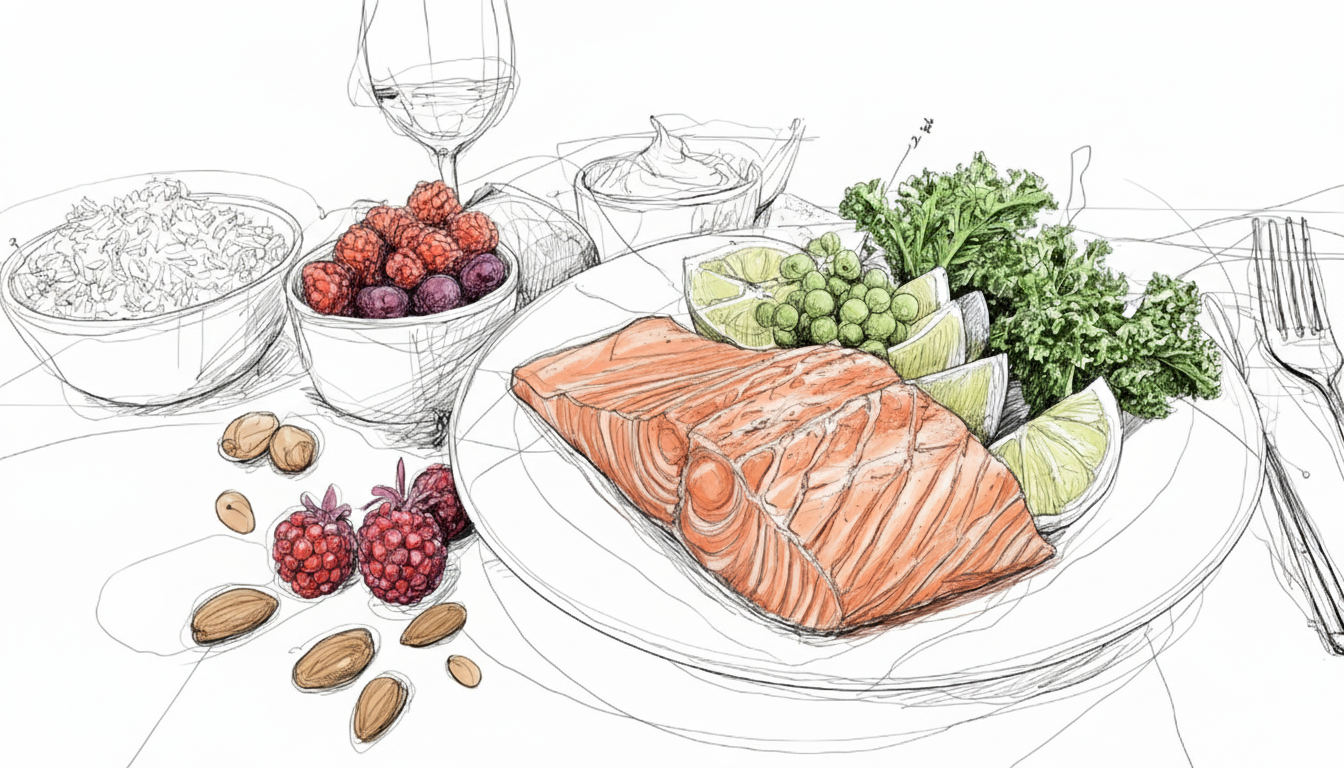
1. Lean Proteins (The Tyrosine Powerhouse)
This is your top priority. Lean proteins are the most direct source of tyrosine.
-
What to Eat: Grilled chicken or turkey breast, fish (like salmon or tuna), eggs, and tofu.
-
Why it Works: These foods provide a high concentration of tyrosine, directly feeding your brain’s dopamine production factory.
2. Nuts and Seeds (The Omega-3s Source)
Almonds, pumpkin seeds, flaxseeds, and chia seeds are packed with Omega-3s as well as healthy fats and magnesium.
-
What to Eat: A handful of almonds, a sprinkle of pumpkin seeds on your salad, or a tablespoon of tahini (sesame seed paste) in your dressing.
-
Why it Works: Healthy fats support overall brain health, while magnesium plays a role in energy metabolism and mood regulation.
3. Legumes (The Fiber-Rich Builders)
Lentils, chickpeas, and black beans are excellent plant-based sources of tyrosine.
-
What to Eat: A hearty lentil soup, a quinoa bowl with chickpeas, or a black bean salad.
-
Why it Works: Legumes pair tyrosine with high fiber content. Fiber slows down digestion, leading to a gradual release of energy and preventing the blood sugar spikes that cause crashes.(11)
4. Complex Carbohydrates (The Smart Fuel)
Ditch the white bread and pasta. Instead, pair your protein with complex carbs that provide a steady release of glucose.
-
What to Eat: Quinoa, brown rice, sweet potatoes, and whole-grain bread.
-
Why it Works: Complex carbs provide the sustained energy your brain and body need to function optimally.(1)(2) This steady supply prevents energy dips from simple sugars and supports stable mood and attention.
5. Leafy Greens (The Unsung Heroes)
Don’t forget your greens! Spinach, kale, and other leafy vegetables are rich in folate.
-
What to Eat: A side salad with your meal, spinach sautéed with garlic, or kale chips.
-
Why it Works: Folate is a crucial "co-factor" in the process of synthesizing dopamine. If tyrosine is the lumber, folate is one of the essential tools needed to build the house.
Actionable Swaps for Peak Cognitive Performance
Here’s how you can integrate the nutrients without a complete diet overhaul.
-
Upgrade Your Breakfast: Instead of a carb-heavy pastry, opt for Greek yogurt (Tyrosine) topped with a tablespoon of chia seeds and a handful of walnuts (Omega-3s). This combination provides the fuel for immediate focus and the structural fats for long-term health.
-
Rethink Your Lunch Salad: A simple green salad won’t cut it. Supercharge it by adding 4-5 ounces of grilled salmon (Omega-3s) or a sliced chicken breast (Tyrosine). This protein-centric meal will help you power through the afternoon slump without the energy crash.
-
Snack Strategically: When you feel that afternoon fog rolling in, swap the chips or cookies for a handful of almonds and a small piece of cheese. This provides a quick hit of Tyrosine and healthy fats to refuel your brain.
-
Time Your Intake: Consider having a Tyrosine-rich snack about an hour before a big meeting or a deep-work session to give your brain the raw materials it needs for peak alertness.
Conclusion: Building Better Brain Fuel

Your energy, focus, and mood aren't random. They are directly influenced by the fuel you provide your body. By swapping out sugary snacks for a Dopamine Meal, you are taking control of your productivity. You’re eating clean as well as building a better brain, one that can power you through client calls, creative projects, and deep work with sustained energy. So the next time that afternoon slump hits, skip the junk food and fuel your motivation from sources of Omega-3s and Tyrosine into your diet.
References & Further Reading
(1): Abdullahi, M. A. et al (2025). Role of dietary carbohydrates in cognitive function: A review. Food Science & Nutrition, 13(7), e70516.
(2): Clemente-Suárez, V. J. et al (2022). The burden of carbohydrates in health and disease. Nutrients, 14(18), 3809.
(5): Alawi, I. A. et al (2022). Effects of omega-3 polyunsaturated fatty acids on brain functions: A systematic review. Cureus, 14(10), e30091.
(6): DiNicolantonio, J. J., & O’Keefe, J. H. (2020). The importance of marine omega-3s for brain development and the prevention and treatment of behavior, mood, and other brain disorders. Nutrients, 12(8), 2333.
(7): Bucolo, C. et al (2014). Omega-3 fatty acids and depression: Scientific evidence and biological mechanisms. Oxidative Medicine and Cellular Longevity, 2014, 313570.
(8): McNamara, R. K. (2016). Role of omega-3 fatty acids in the etiology, treatment, and prevention of depression: Current status and future directions. Journal of Nutrition & Intermediary Metabolism, 5, 96–106.
(3): Cai, W. et al (2015). Insulin resistance in brain alters dopamine turnover and causes behavioral disorders. Proceedings of the National Academy of Sciences, 112(11), 3463–3468.
(4): Hu, Z. et al (2024). Caffeine intake and anxiety: A meta-analysis. Frontiers in Psychology, 15, 1270246.
(9): Colzato, L. S. et al (2015). Effect of tyrosine supplementation on clinical and healthy populations under stress or cognitive demands—A review. Journal of Psychiatric Research, 70, 50–57.
(10): Brandmaier, A. M. et al (2017). Food for thought: Association between dietary tyrosine and cognitive performance in younger and older adults. Psychological Research, 83(6), 1097–1106.
(11): Alahmari, L. A. (2024). Dietary fiber influence on overall health, with an emphasis on CVD, diabetes, obesity, colon cancer, and inflammation. Frontiers in Nutrition, 11, 1510564.